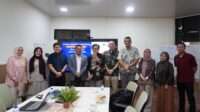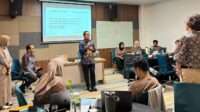

MARITIMEPOSTS.COM – Hasanuddin University’s Global Research Institute (GloRI) held an online meeting with Tomsk Polytechnic University (TPU), Russia, to explore opportunities for collaboration in hydrogen energy research and development.
The meeting brought together GloRI Executive Director Prof. Dr. Eng. Adi Maulana, M.Phil.; GloRI Secretary Dr. Andi Imam Arundhana; and Research and Cooperation Manager Zulung, M.Env.
Also in attendance were the Head of the Department of Electrical Engineering at Hasanuddin University’s Faculty of Engineering, Prof. Dr.-Ing. Faizal A. Samman, and Prof. Syahidah, S.Hut., M.Si., Ph.D.
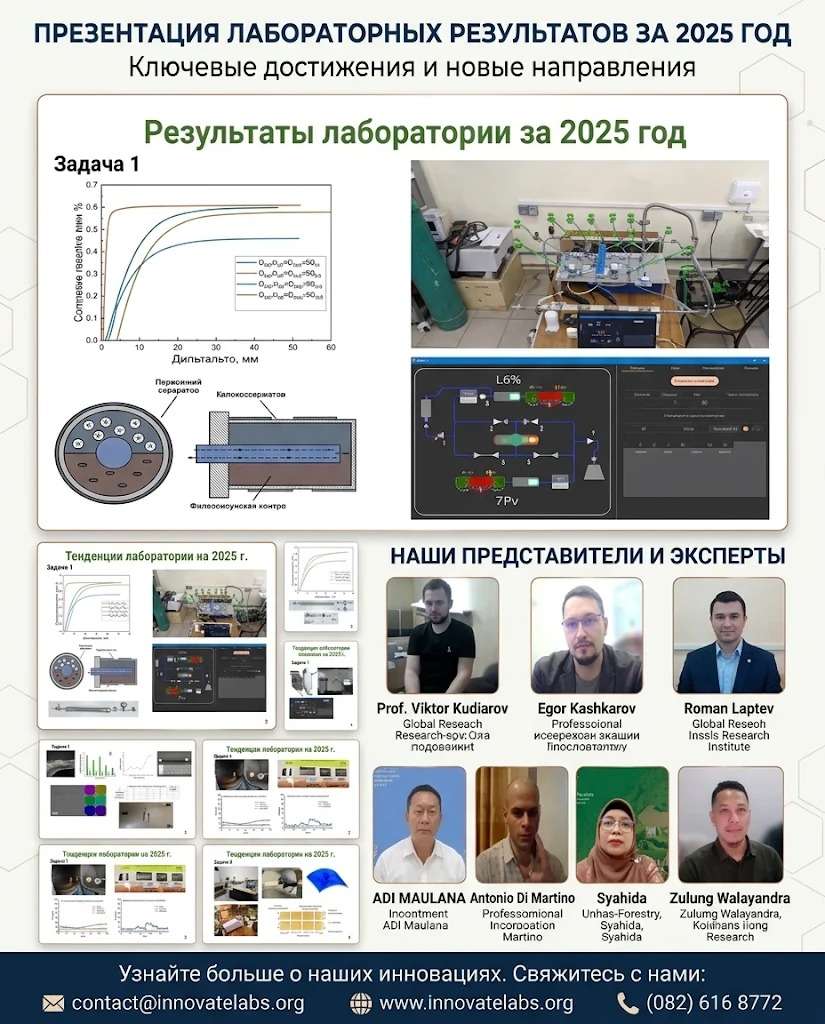
Representing TPU were Acting Head of the Department of Experimental Physics Prof. Roman Laptev and Head of the Hydrogen Energy Innovation Laboratory Prof. Viktor Kudiiarov.
During the meeting, Prof. Laptev explained that his department had been conducting hydrogen-related research for more than 25 years.
Its areas of expertise include non-destructive testing of hydrogen embrittlement, protective coatings and surface modification, hydrogen storage materials, hydrogen membranes for gas separation, and energy storage systems for industrial applications.
Prof. Laptev’s presentation highlighted the importance of developing materials and technologies that can support the wider application of hydrogen in industry.
Prof. Kudiiarov subsequently outlined the development of his laboratory’s research activities and facilities, which have been operating for approximately five decades.
The laboratory is equipped with facilities for beam treatment, plasma processing, and magnetron deposition for material coatings, as well as a cyclotron. It also operates an automated system for testing hydrogen absorption and desorption processes in hydrogen storage materials.
In the field of hydrogen storage, TPU conducts research on metal hydrides and magnesium-based composites synthesized through mechanochemical processes.
The research employs various additives, including carbon nanotubes, metal-organic frameworks (MOFs), and metal and oxide nanopowders, to investigate their influence on the properties of magnesium-based materials.
TPU is also developing chromium coatings to protect materials from hydrogen exposure through collaborations with several industrial partners, including Rosatom.
In addition to its research activities, TPU offers undergraduate, master’s, and doctoral programs related to these technologies. The university has also established research partnerships with scientists from China, Kazakhstan, and Belarus.
Responding to the presentations, Prof. Faizal A. Samman expressed his appreciation and introduced Hasanuddin University’s hydrogen research group, which focuses on green hydrogen production, particularly the development of power electronics systems to deliver solar energy to electrolyzers.
He highlighted the potential complementarity between the two universities’ research interests, particularly in hydrogen production and storage technologies.
“TPU’s research on magnesium hydride-based energy storage offers an interesting opportunity to complement the work being carried out at Hasanuddin University. We see potential for collaboration that could connect our expertise in green hydrogen production with TPU’s experience in hydrogen storage materials,” Prof. Faizal said.
He also invited both institutions to identify specific research opportunities that could be developed through joint initiatives.
GloRI Executive Director Prof. Adi Maulana welcomed the prospect of collaboration, emphasizing the importance of moving beyond academic discussions toward a more structured partnership.
“We hope this meeting can become the starting point for a concrete and sustainable research partnership. By combining the expertise and facilities of both universities, we can create opportunities for research that delivers meaningful contributions to hydrogen energy development,” Prof. Adi said.
To establish a more concrete framework for cooperation, GloRI proposed exploring the establishment of a joint Centre for Hydrogen Energy with TPU.
Both institutions were also encouraged to explore collaborative funding schemes (co-funding), resource sharing (co-sharing), and joint research initiatives, including the co-supervision of doctoral students from both universities.
Other potential areas of cooperation include student mobility, academic and staff exchanges, and joint conference hosting.
These initiatives are expected to strengthen academic networks and enhance the research capacity of both institutions in the development of hydrogen energy technologies.
The proposed collaboration also aligns with the Sustainable Development Goals (SDGs), particularly SDG 4 on Quality Education, SDG 7 on Affordable and Clean Energy, SDG 9 on Industry, Innovation and Infrastructure, SDG 13 on Climate Action, and SDG 17 on Partnerships for the Goals.
Hydrogen research, ranging from green hydrogen production to advanced storage technologies, has the potential to support the transition toward cleaner energy systems.
Through international collaboration, Hasanuddin University and Tomsk Polytechnic University have an opportunity to connect research expertise, expand academic exchange, and contribute to the development of future hydrogen technologies.