

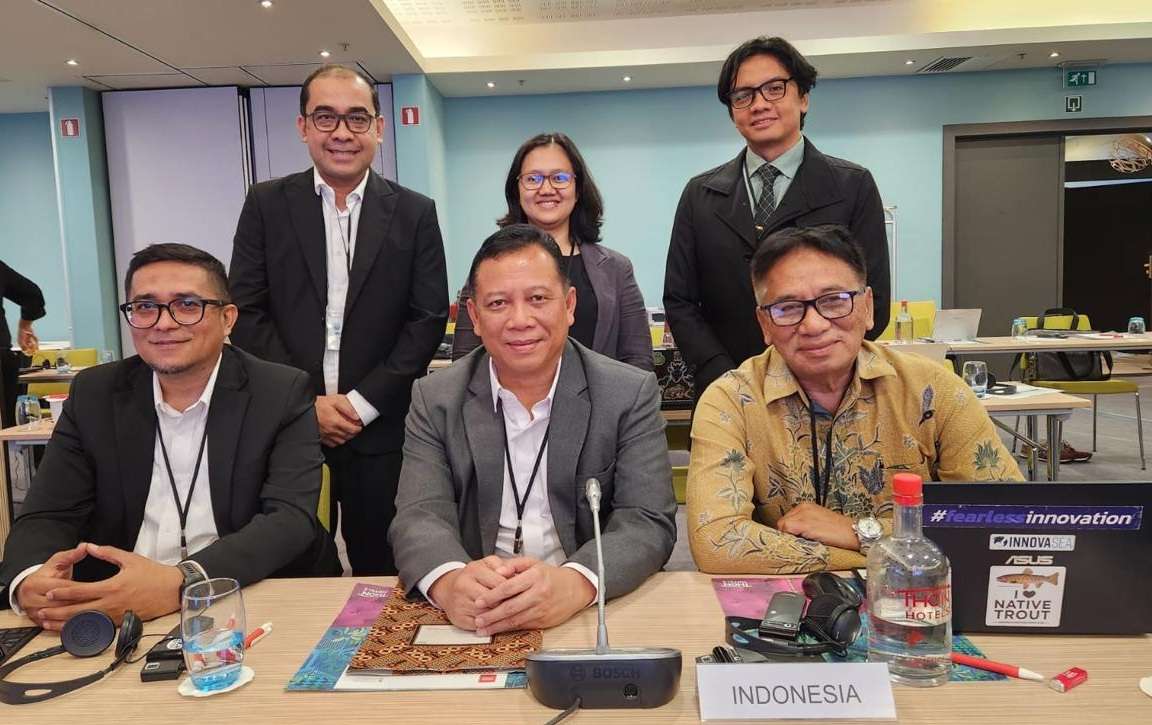
MARITIMEPOSTS.COM – After intensive and challenging diplomatic negotiations, Indonesia has secured a 25 percent increase in its Southern Bluefin Tuna (SBT) catch quota for the 2027–2029 period.
The decision was agreed upon at the 33rd Annual Meeting of the Commission for the Conservation of Southern Bluefin Tuna (CCSBT) in Brussels, Belgium, which concluded on Thursday (October 8).
Indonesia’s quota will increase from 1,336 tonnes to 1,670 tonnes per year, matching the allocations for South Korea and Taiwan. Indonesia also has the opportunity to receive up to an additional 1,500 tonnes annually from unused quotas allocated to other members.
If this opportunity is fully utilized, Indonesia’s total quota could reach approximately 3,170 tonnes per year. The additional allocation will be determined annually through scientific assessments and Commission decisions, depending on how much of their quotas other members utilize.
“This is a significant step forward for Indonesia. The quota increase and the opportunity to secure additional allocations demonstrate that Indonesia’s fisheries diplomacy is delivering results. We will continue to advocate for a fairer CCSBT allocation for developing coastal states in the future,” said Lotharia Latif, Director General of Capture Fisheries, who led the Indonesian delegation.
The Result of Years of Advocacy
Indonesia’s efforts began at the 30th Annual Meeting in Busan, South Korea, in 2023, when the country submitted a written proposal to change the allocation mechanism to enable an increase in its quota. The initiative continued at last year’s 32nd Annual Meeting in Bali.
At that meeting, Minister of Marine Affairs and Fisheries Sakti Wahyu Trenggono proposed allocating Indonesia 15 percent of the Total Allowable Catch (TAC), equivalent to approximately 3,000 tonnes.
The rationale was compelling: Indonesian waters contain the only known spawning ground for Southern Bluefin Tuna in the world.
“Indonesia’s position is grounded in fairness, our status as a developing coastal state, and the undeniable geographical reality that we are the custodian of the world’s only known SBT spawning ground,” Latif emphasized before CCSBT member delegations.
At this meeting, the CCSBT also agreed to increase the global TAC for SBT to 23,647 tonnes annually for 2027–2029. Indonesia supported this science-based increase while continuing to advocate for a larger share of the allocation.
Strong Governance Builds Trust
At the meeting, the Indonesian delegation presented several improvements to the country’s domestic SBT fisheries management:
- Fulfilment of obligations to repay excess catches (payback)
- Strengthening the Observer On Board programme
- Development and implementation of e-Logbook Version 3
- Strengthening catch reporting through the Catch Documentation Scheme
The confidence of CCSBT members was reflected in the Commission’s decision to extend Indonesia’s at-sea transhipment trial for another year, until October 31, 2027.
The additional time will be used to strengthen the national observer programme, including a trial of electronic observer data reporting through the Electronic Observer On Board Reporting (e-OBOR) system in 2027.
Indonesia also reaffirmed its commitment to protecting seabirds, including albatrosses and petrels, which are frequently caught unintentionally in tuna longline fishing gear. The focus is on Indonesian-flagged longline vessels operating on the high seas, where the risks are greater, through stronger mitigation measures in line with CCSBT requirements.
The meeting also discussed the BBNJ Agreement, an international treaty on marine biodiversity in areas beyond national jurisdiction. Since high-seas management under the BBNJ Agreement directly intersects with the management of tuna and other highly migratory fish species, members of regional fisheries management organizations (RFMOs) need to engage actively to ensure that the two regulatory frameworks remain aligned.
Safeguarding These Gains Together
The quota allocation applies in three-year blocks and will be reviewed periodically. According to Latif, the quality of domestic fisheries management will determine whether Indonesia can maintain its allocation, let alone secure further increases.
“We will continue to strengthen compliance with e-Logbook reporting requirements, expand observer coverage aboard vessels, and ensure that Vessel Monitoring Systems (VMS) remain operational. We are also beginning to explore electronic monitoring using onboard cameras,” Latif said.
“We encourage industry stakeholders to support these efforts, including the transition toward full implementation of Indonesia’s at-sea transhipment programme in compliance with RFMO standards. Compliance on the ground is Indonesia’s key asset in securing greater gains in future negotiations,” he concluded.