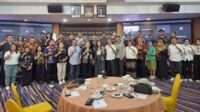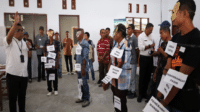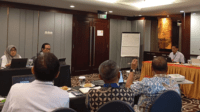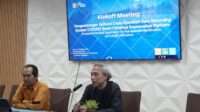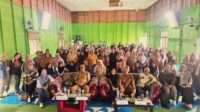

MARITIMEPOSTS.COM – The Nusantara Nature Conservation Foundation (Yayasan Konservasi Alam Nusantara/YKAN), in collaboration with the Southwest Papua Provincial Marine and Fisheries Agency and the Tambrauw Regency Government, presented findings from fisheries data collection using the Crew-Operated Data Recording System (CODRS) during activities held in Sorong and Fef on September 15 and 21, 2026.
The activities brought together community members, customary institutions, village governments, fishers, and other stakeholders to discuss data analysis findings in support of the management of the customary marine territory of the Werur Indigenous Community (Masyarakat Hukum Adat/MHA) in Tambrauw Regency.
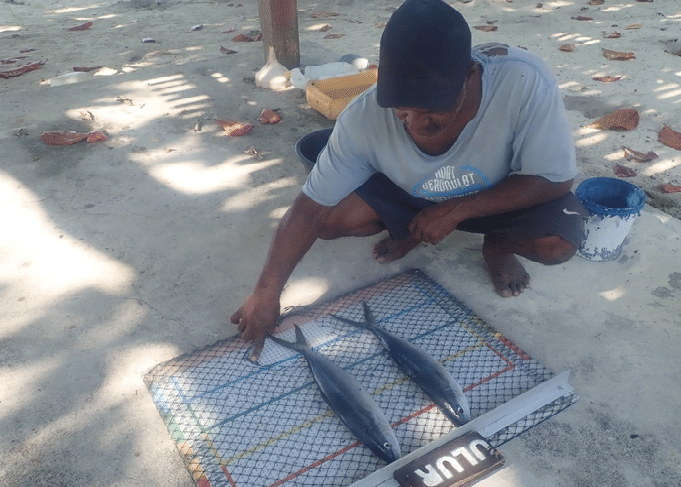
YKAN has been developing CODRS since 2014 to generate fisheries data that can support the monitoring and evaluation of Community-Based Fisheries Management (Pengelolaan Perikanan Berbasis Masyarakat/PPBM). Through the CODRS approach, fishers actively participate in data collection, supported by photographic documentation and information about their catches.
Riky Richard Mofu, Head of the Tambrauw Regency Fisheries Agency, said accurate fisheries data are necessary to support resource management planning that reflects local conditions and community needs.
“Fisheries data of this kind are important for local governments because they provide an overview of how fisheries resources are being utilized at the local level. This information will serve as one of the foundations for government planning and for determining management measures that suit the conditions of communities and the available resources in Tambrauw Regency,” Riky said.
During the 2022–2026 data collection period, the most frequently recorded fish species included kawakawa or babida (Euthynnus affinis), tipi trevally (Carangoides hedlandensis), humpback red snapper, locally known as gaca or inpekem (Lutjanus gibbus), and rainbow runner, locally known as sunglir or tola (Elagatis bipinnulata).
The analysis showed that catch per unit of fishing effort remained relatively stable. Fishing activities were concentrated in the sustainable fisheries zone, with no fishing recorded in the core zone or no-take zone during the 2025–2026 period.
These findings indicate a high level of compliance and commitment among fishers to the zoning rules established through mutual agreement.
Fishers’ involvement in data collection is particularly important because the information is derived directly from resource use in the field. This approach also enables communities to understand the findings and use them as a basis for evaluating fisheries management practices.
“Until now, we have understood the condition of the sea through what we see and experience when we go fishing. With this data collection, our experiences can be recorded and compared. From there, we can identify changes and discuss together what needs to be done to ensure that marine resources remain available,” said Jefry Bonicius Mayor, a fisher from the Werur Indigenous Community.
Yan Wilem Yesnath, Head of the Werur Indigenous Community Management Unit, said the findings could help the community and its management institutions assess the condition of their customary territory more systematically.
“For us, this data is important for reviewing how the Werur Indigenous Community’s managed territory is being utilized and managed. Managing the area is not solely the responsibility of the management unit; it requires the involvement of Indigenous communities, fishers, village governments, and other stakeholders. We hope these findings will help improve management and safeguard resources for both current and future generations,” Yan said.
Discussions of the findings also created an opportunity to explore potential areas of cooperation between YKAN and the Tambrauw Regency Government.
Proposals included expanding CODRS data collection and Community-Based Fisheries Management to Sausapor, strengthening Community Surveillance Groups (Kelompok Masyarakat Pengawas/Pokmaswas), and developing environmental education initiatives.
Viktor Tawer, Head of the Tambrauw Regency Environmental Agency, said the findings and community-based resource management practices could also help strengthen environmental education in the region.
“Environmental education needs to be connected to the conditions surrounding local communities. Data and knowledge about the sea, fisheries, customary territories, and management practices can serve as learning materials for younger generations. This way, environmental education goes beyond discussing the environment in general and introduces young people to the natural conditions and wealth of Tambrauw,” he said.
The use of data in fisheries management needs to be sustained over time.
Data should serve not merely as a record of fishing activities, but also as a foundation for dialogue among communities, governments, and stakeholders about resource conditions and available management options.
“CODRS data collection provides information drawn directly from fishing activities. Its value lies not only in the data gathered, but also in the process through which fishers participate in generating and discussing that information. In this way, data can become part of a shared learning process in fisheries management,” concluded Glaudy Perdanahardja, YKAN’s Senior Sustainable Fisheries Manager.