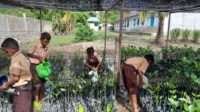

- The Indonesian Conservation Foundation (YKAN), which has supported the establishment of the TNS conservation area from the outset, has adopted an approach that places local communities at the center of every stage of the process.
- Community participation began with the identification of the area and continued through the planning and designation stages. Those involved included the Badan Latupati, traditional kings and village authorities, customary land and marine territory holders, community leaders, religious leaders, youth and women’s groups, fishers, and active coastal communities.
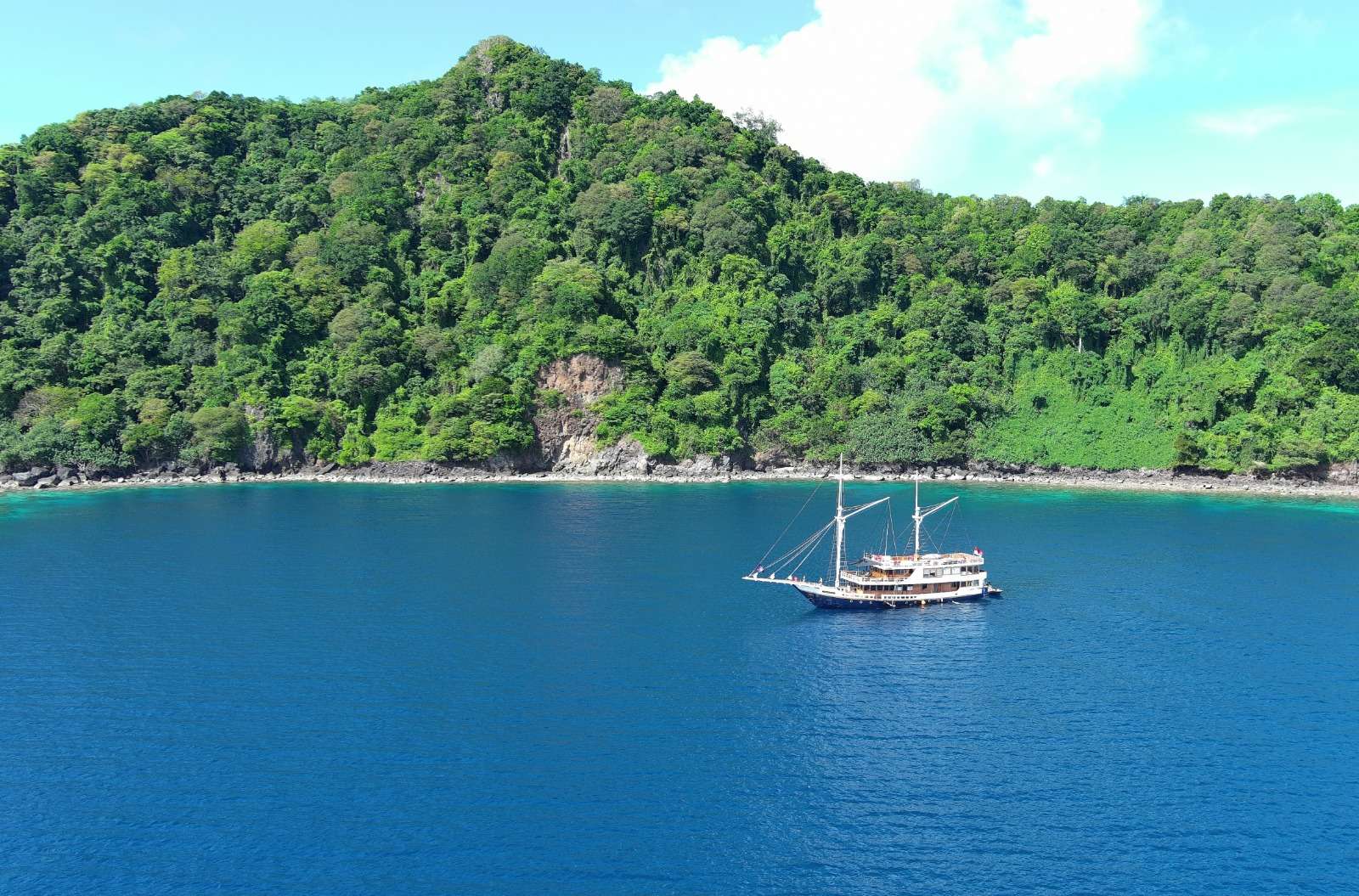
PELAKITA.ID — JAKARTA — The Indonesian government has taken another step to strengthen the protection of marine ecosystems and resources by designating a Marine Conservation Area (KK) in the waters surrounding Teon, Nila, and Serua (TNS) Islands in Central Maluku Regency, Maluku Province.
The designation is stipulated under Decree of the Minister of Marine Affairs and Fisheries of the Republic of Indonesia No. 67 of 2026, issued on September 2, 2026.
Covering 683,826.89 hectares, the conservation area forms part of Indonesia’s broader effort to advance its target of protecting 30 percent of its marine territory by 2045, commonly referred to as the 30×45 target.
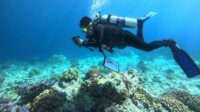
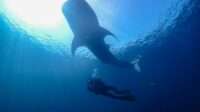
The TNS waters contain a range of ecologically important marine ecosystems and habitats, including coral reefs, seagrass beds, fish spawning grounds, and habitat for hammerhead sharks. These ecological assets also offer opportunities for sustainable fisheries and marine tourism that can generate economic benefits for local communities while maintaining the ecological functions of the area.
Firdaus Agung, Director of Ecosystem Conservation at the Directorate General of Marine Affairs Management of the Ministry of Marine Affairs and Fisheries (MMAF), said the designation is part of the government’s efforts to protect, conserve, and sustainably utilize marine ecosystems.
According to Firdaus, conservation is not only about safeguarding ecosystems today, but also about ensuring that marine resources remain available and productive for future generations.
The TNS Marine Conservation Area will be managed by the local government through a Regional Technical Implementation Unit (UPTD) responsible for conservation area management, with the involvement of local communities, development partners, and other stakeholders.
“We hope this collaboration will lead to effective area management, allowing ecological, social, and economic benefits to be shared by all,” Firdaus said.
A Long, Data-Driven Process
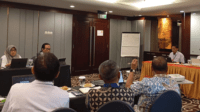
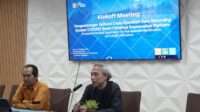
The designation of the TNS Marine Conservation Area is the result of a lengthy process involving the Ministry of Marine Affairs and Fisheries, the Maluku provincial government, Central Maluku Regency government, Indigenous and coastal communities, academics, and development partners.
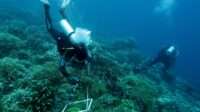
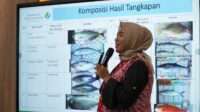
Prior to its designation, the process included biophysical surveys as well as social, economic, and cultural assessments. Scientific studies and public consultations were also conducted to provide the evidence base for establishing the conservation area.
Erawan Asikin, Head of the Maluku Provincial Marine and Fisheries Agency, described the TNS conservation area as a strategic asset for Maluku in balancing environmental protection with regional development.
He also expressed appreciation for the contributions of various parties that supported the process until the area was formally designated through the ministerial decree.
“The designation of this conservation area marks an important milestone for Maluku Province. We appreciate the support of the Ministry of Marine Affairs and Fisheries, the Central Maluku Regency Government, Indigenous communities, academics, and YKAN, which consistently supported scientific data collection, zoning design, stakeholder consultations, and capacity building,” Erawan said.
He said these processes provide an important foundation for ensuring that conservation does not end with formal designation, but continues through effective management once the area is established.
Indigenous Communities as Key Partners
The Indonesian Conservation Foundation (YKAN), which has supported the establishment of the TNS conservation area from the outset, has adopted an approach that places local communities at the center of every stage of the process.
Community participation began with the identification of the area and continued through the planning and designation stages. Those involved included the Badan Latupati, traditional kings and village authorities, customary land and marine territory holders, community leaders, religious leaders, youth and women’s groups, fishers, and active coastal communities.
The approach is intended to ensure that conservation management respects community rights, cultural values, and the traditional knowledge of Indigenous peoples. At the same time, meaningful participation is expected to strengthen local ownership, which is an important foundation for long-term and sustainable conservation management.
Herlina Hartanto, Executive Director of YKAN, said the designation of the TNS conservation area demonstrates that effective marine protection requires collaboration that brings together scientific knowledge and community participation.
“The designation of this conservation area shows that effective marine protection is built through collaboration, science, and community participation,” Herlina said.
She reaffirmed YKAN’s commitment to supporting sustainable management of the area so that its ecological and socioeconomic benefits can continue to reach local communities while safeguarding marine biodiversity for future generations.
Covering more than 683,000 hectares, the Teon, Nila, and Serua Marine Conservation Area adds another formally protected marine landscape to Indonesia’s conservation network and further highlights Maluku’s importance as a region rich in coastal and marine ecosystems requiring collaborative governance.
The next challenge extends beyond formal designation. It will be ensuring that regulations, zoning, enforcement, community participation, and sustainable use work together so that conservation delivers lasting ecological, social, and economic benefits.