
Alleged Exploitation Exposed, Legal Penalties and Victim Recovery Under Scrutiny
-
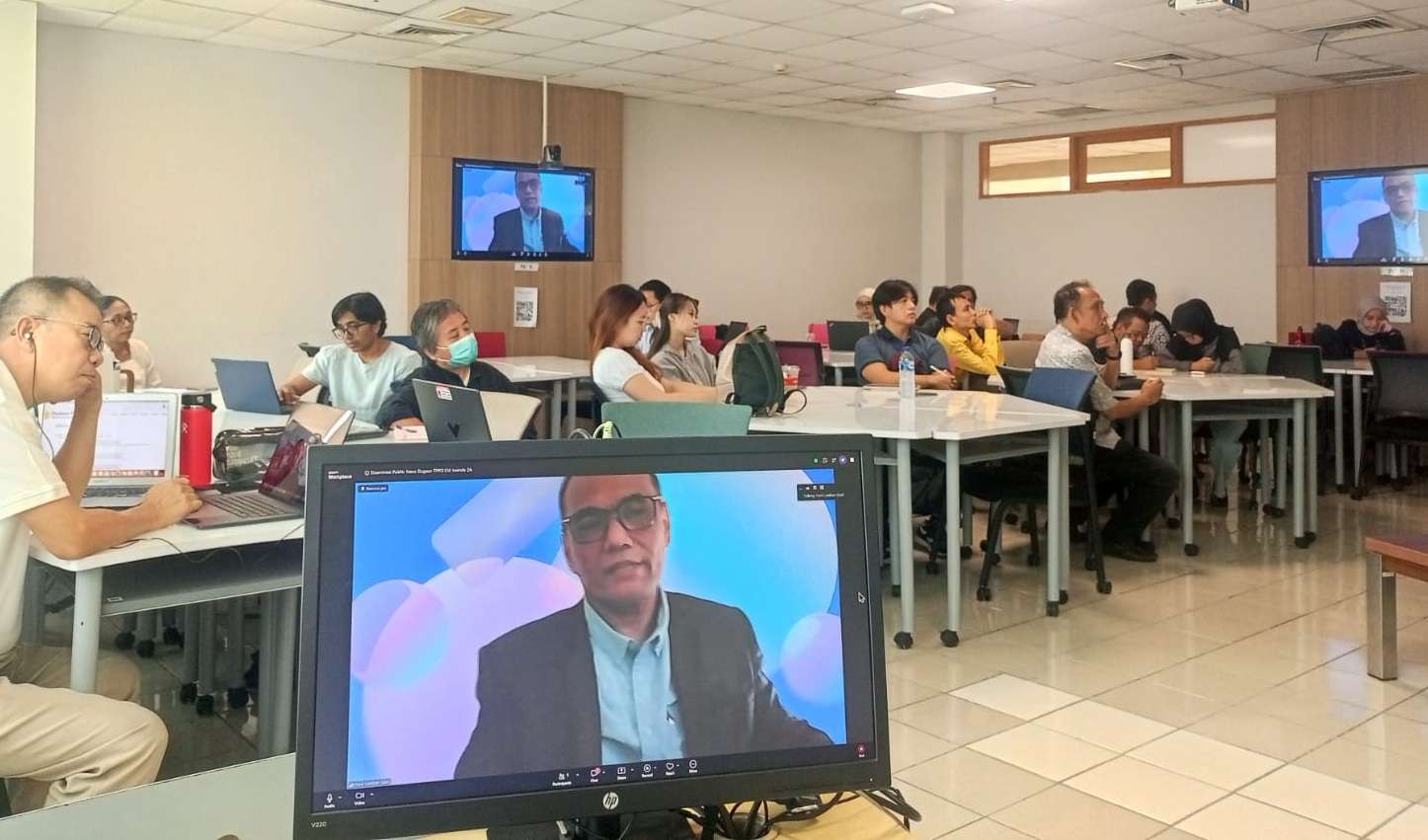
In the public case review of the human trafficking (TIP) case involving 21 crew members of the fishing vessel KM Awindo 2A, several fundamental issues concerning the appellate court’s ruling have come under renewed scrutiny.
-
These issues include differences in the defendants’ respective roles that were not reflected in proportional differences in their sentences, the reasoning behind an additional six-month sentence for a former member of the Water and Air Police (Polairud), the amount of fines and substitute imprisonment, and restitution deemed inadequate to meet the victims’ needs.
-
DFW Indonesia believes that fulfilling victims’ rights, including providing adequate restitution, must be a central component of addressing human trafficking in the fisheries sector. Protection for fishing vessel crew members must also be strengthened at every stage, from recruitment and employment contract signing to the actual performance of their duties on board.
MARITIMEPOSTS.COM – During the review of the appellate ruling, the legal experts assessing the case argued that the differences in the defendants’ respective roles should be considered proportionately when determining their sentences.
The additional six-month sentence imposed on a former member of the Water and Air Police was also considered insufficiently explained by the panel of judges. In addition, the amount of the fines and substitute imprisonment drew scrutiny, while the restitution awarded was deemed too small to adequately fulfil the victims’ rights.
Corporate criminal liability was another key issue. The experts argued that legal proceedings should not focus solely on individuals but should also investigate the possibility of holding corporations criminally liable as separate legal entities.
Where the elements of a criminal offence are established, corporations may be subject to sanctions under applicable legislation, including fines and other relevant penalties.
Exploitation Disguised as an Employment Relationship
From a labour rights perspective, Hamid Istakhori, an activist with Building and Wood Workers International (BWI), described the case as a form of exploitation concealed behind an employment relationship.
He highlighted employment contracts that were reportedly signed under pressure and were valid for only two months, even though the work continued for ten months.
Another concern was the existence of two different documents: one submitted to the Harbourmaster and another containing the actual wage figures.
Hamid also questioned the legal form of the business recruiting the fishing vessel crew, which operated as a limited partnership known in Indonesia as a Commanditaire Vennootschap (CV). In his view, this issue requires further examination under the legal provisions governing the recruitment and placement of workers.
He argued that the case involves several legal instruments, ranging from Indonesia’s Law on the Crime of Human Trafficking and the Palermo Protocol to International Labour Organization (ILO) Convention No. 188 on Work in Fishing.
Hamid commended the panel of judges for referring to ILO Convention No. 188, despite Indonesia not having ratified it. However, he considered the restitution award inconsistent with Supreme Court Regulation No. 1 of 2022.
Forced Labour and the State’s Role in Exploitation at Sea
Mamik Sri Supatmi, a criminology lecturer at the University of Indonesia, placed the KM Awindo 2A case within the broader context of forced labour and worker exploitation in the fisheries sector.
According to her, Indonesia’s position as one of the world’s largest seafood producers does not automatically guarantee that workers in the sector enjoy their rights.
Working conditions at sea can leave fishing vessel crew members vulnerable to exploitation.
Mamik also highlighted the gender dimension of the issue. The maritime sector, which has historically exposed men to exploitative working conditions, also places male workers at risk of labour exploitation at sea.
Furthermore, she emphasised that human trafficking cannot be examined separately from the role of the state. Under certain circumstances, it may be connected to the concept of state crime, particularly when state institutions are involved, protect perpetrators, or fail to fulfil their obligations to protect victims.
Sentences Must Reflect the Gravity of the Crime
Asfinawati, former director of the Indonesian Legal Aid Foundation (YLBHI) and a lecturer at STH Indonesia Jentera, criticised a tendency in law enforcement to focus too heavily on criminal law while insufficiently incorporating a human rights perspective.
She argued that human trafficking is a serious crime and that sentences must reflect the nature and gravity of the offence.
Asfinawati also questioned the apparent inconsistency between the judges’ characterisation of the case as an extraordinary crime and the three-year prison sentence imposed.
She stressed that human trafficking cases must be handled with victims’ protection in mind, while ensuring that penalties are proportionate to each defendant’s conduct and individual responsibility.
She also referred to changes in the wording of criminal penalties under newer legislation, from a cumulative formulation using “and” to an alternative formulation using “or”. Such changes, she said, need to be carefully considered when assessing the application of criminal sanctions in the case.
Victim Restitution and the State’s Responsibility
During the question-and-answer session, a representative of IOM Indonesia stated that the organisation had rehabilitated 11 victims in connection with the case under discussion. The representative highlighted what were considered lenient sentences, low restitution awards, and the lack of effective corporate accountability as problems that could leave victims feeling they had not received justice.
The experts agreed that a person should not be imprisoned solely because they are unable to pay restitution. However, a further question remains: who must ensure that victims receive their entitled compensation when the perpetrator’s assets are insufficient?
In response, Mamik emphasised that the state must not relinquish its responsibility when a perpetrator lacks the financial means to provide the restitution owed to victims.
This issue demonstrates that victim recovery cannot end with the imposition of criminal sentences on perpetrators.
Mechanisms for fulfilling victims’ rights require serious attention to ensure that survivors of human trafficking receive adequate remedies and are not left to bear the consequences of the crimes committed against them.
Strengthening Protection for Fishing Vessel Crew Members
The KM Awindo 2A case underscores the need for stronger oversight of fishing crew recruitment and law enforcement that reaches all parties potentially involved in exploitation.
Addressing human trafficking in the fisheries sector requires a comprehensive approach, from investigating recruitment practices and examining employment contracts and wage payments to uncovering the possible involvement of other parties and establishing corporate liability.
DFW Indonesia believes that fulfilling victims’ rights, including providing adequate restitution, must be a central component of efforts to combat human trafficking in the fisheries sector. Protection for fishing vessel crew members must also be strengthened at every stage, from recruitment and employment contract signing to the performance of their duties on board.
This public case review provides an opportunity to advocate for law enforcement that is more victim-centred, transparent, and accountable.
Justice for the 21 fishing vessel crew members of KM Awindo 2A is not simply a matter of punishing perpetrators. It also requires restoring victims’ rights, establishing the responsibility of all parties involved, and preventing similar forms of exploitation from recurring in Indonesia’s fisheries sector.