
MARITIMEPOSTS.COM — The government, provincial administrations, and experts discussed proposed sustainable catch limits and the allocation of lobster, crab, and swimming crab quotas across Indonesia’s Fisheries Management Areas (WPPNRI) 713, 714, and 715.
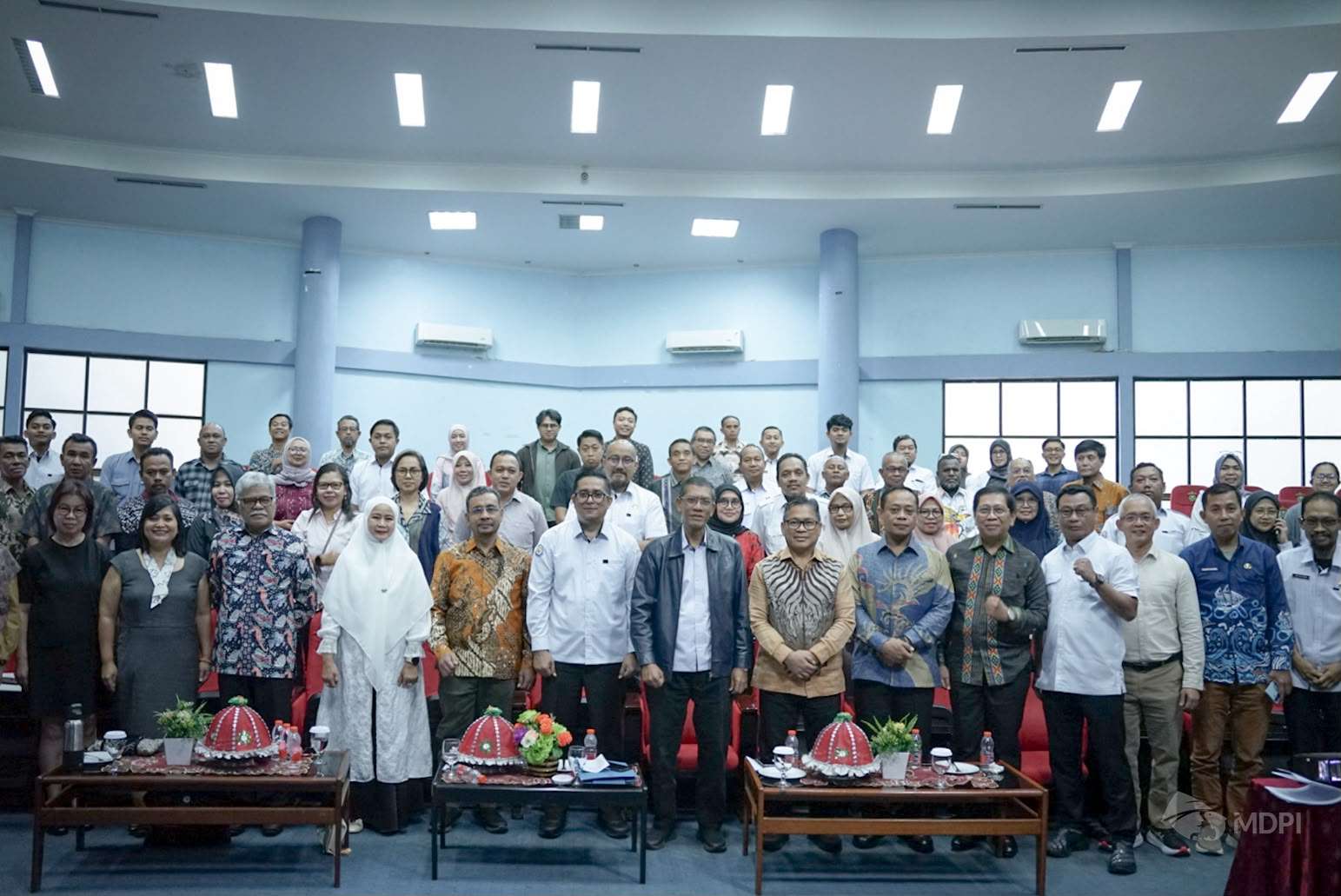
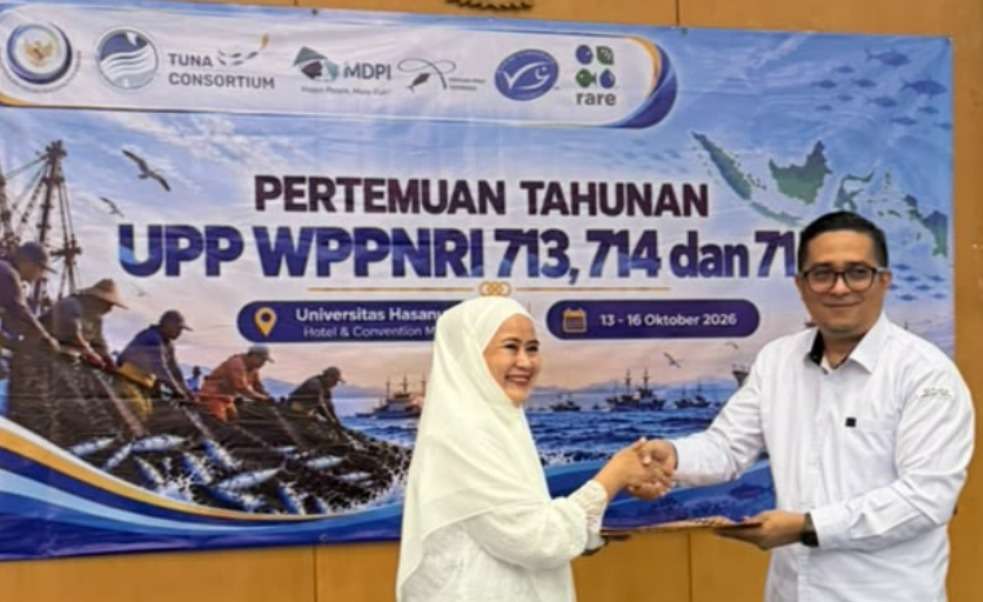
The discussions took place during the Annual Meeting of Fisheries Management Units (UPP) in Makassar, South Sulawesi, on Wednesday, October 14, 2026.
Organized by the Directorate of Fish Resources Management (PSDI), under the Directorate General of Capture Fisheries (DJPT) of the Ministry of Marine Affairs and Fisheries (KKP), the meeting ran from October 13 to 16, 2026, at Hasanuddin University. This year marks the first official annual meeting bringing together the three UPPs responsible for these fisheries management areas.
The forum brought together the Ministry of Marine Affairs and Fisheries, the National Commission for Fish Stock Assessment (Komnas Kajiskan), heads of provincial marine affairs and fisheries agencies from the three management areas, development partners, fisheries associations, and representatives of fishing communities.
Earlier, a series of scientific panel meetings had been held involving academics, researchers, Komnas Kajiskan, and universities.
Small-Scale Fishers
PSDI Director Syahril Abd. Raup, who read a statement on behalf of Director General of Capture Fisheries Lotharia Latif, emphasized that fisheries commodities from the three management areas underpin the livelihoods of many small-scale fishers.
“Tuna, lobster, crab, and swimming crab are high-value commodities and export favorites, and the majority of those catching them are our small-scale fishers. That is why they must be managed responsibly,” he said.
According to him, fishers should be able to secure substantial economic benefits without compromising the sustainability of fish stocks.
The meeting was described as supporting the implementation of Indonesia’s quota-based Measured Fishing Policy (PIT), the Blue Economy policy, and the government’s Asta Cita priorities for 2025–2029.
The forum brought together the Ministry of Marine Affairs and Fisheries, Komnas Kajiskan, provincial marine affairs and fisheries officials from the three management areas, development partners, fisheries associations, and representatives of fishing communities.
Three Key Agendas
The meeting focused on three main agendas.
First, reaching agreement among the provinces on proposed sustainable yields, or maximum sustainable yield (MSY), for each commodity in each WPPNRI. These figures serve as limits to ensure that fishing pressure does not exceed the capacity of fish stocks to replenish themselves.
Second, allocating quotas for lobster, crab, and swimming crab.
Discussions covered allocation mechanisms, simulations, and the determination of quota shares to ensure that the process is transparent, measurable, and equitable.
Third, securing commitments from provincial governments to establish sampling locations for catch data collection to strengthen the reliability and validity of fisheries data.
Through plenary sessions and group discussions facilitated by experts from Komnas Kajiskan and the National Research and Innovation Agency (BRIN), the forum is expected to formulate the Annual Work Plans of the UPPs for WPPNRI for the 2027 fiscal year, along with fisheries management recommendations.
The Ministry of Marine Affairs and Fisheries hopes the annual forum will strengthen cooperation among central and local governments, academics, businesses, and fishing communities in implementing the Measured Fishing Policy, supporting the well-being of coastal communities while safeguarding marine resources for future generations.
(KAS)