
PELAKITA.ID – The Ministry of Marine Affairs and Fisheries (KKP) is moving quickly to coordinate across sectors and encouraging shrimp-processing industry players to maximize the use of domestically produced whiteleg shrimp. The move follows reports circulating about imports of whiteleg shrimp.
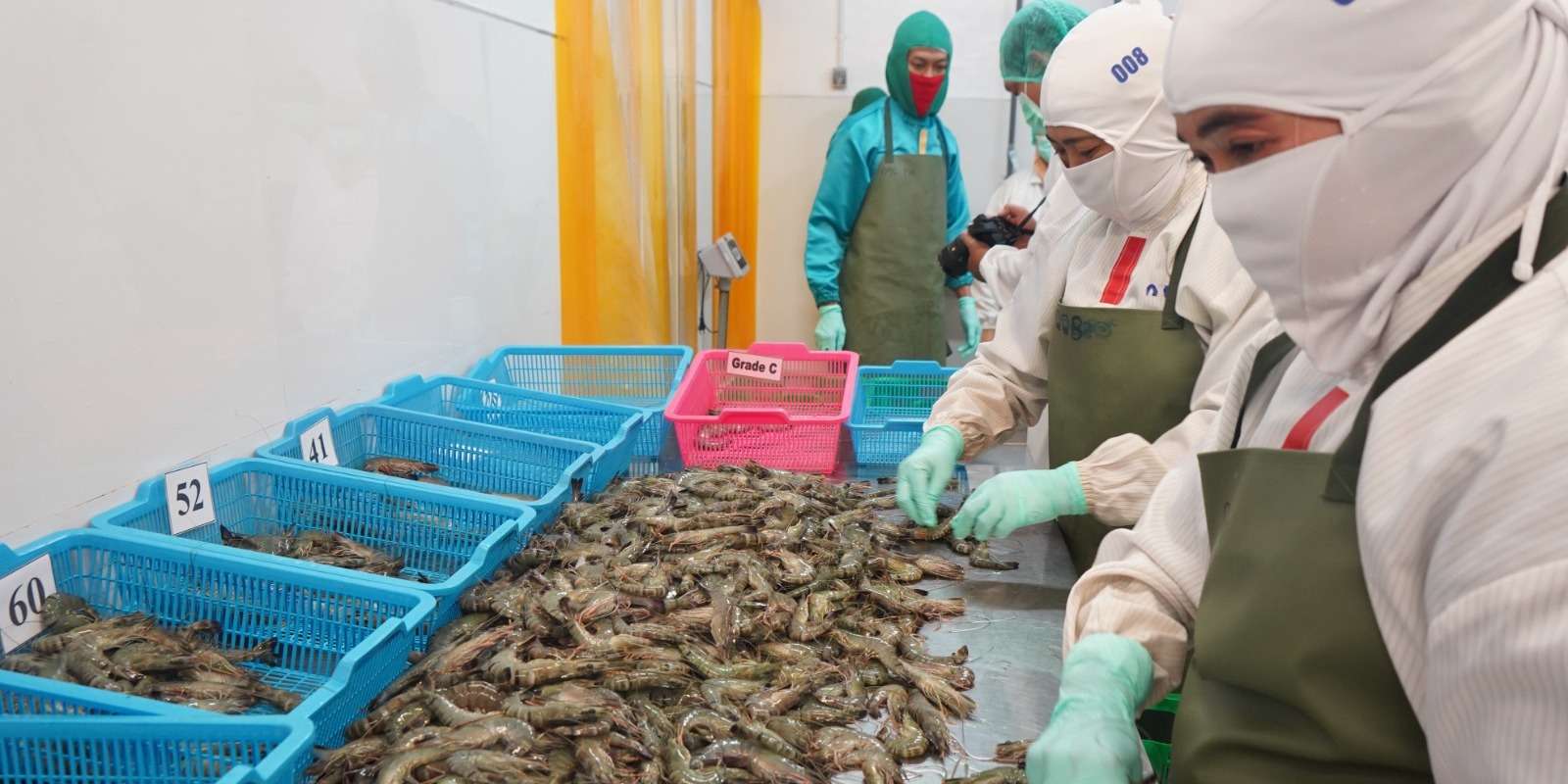
Acting Director General of Competitiveness Strengthening for Marine and Fisheries Products (PDSPKP) Erwin Dwiyana explained that, based on coordination between KKP, the Directorate General of Customs and Excise at the Ministry of Finance, the Ministry of Trade, and the Indonesian Quarantine Agency, a total of 120 tons of whiteleg shrimp from Ecuador entered Indonesia through Tanjung Perak Port in Surabaya in June 2026. Further investigation found that the shrimp was imported as raw material for the shrimp-processing industry.
“KKP did not issue an Import Requirement Plan (RKI) for the whiteleg shrimp in question.
The imports were carried out through a bonded-zone facility, where import approval requirements in the form of an Import Permit had not yet been imposed,” Erwin said in an official statement issued in Jakarta on Wednesday (August 19).
KKP confirmed that the use of imported whiteleg shrimp as raw material for the processing industry was carried out in accordance with applicable laws and regulations to support the sustainability of Indonesia’s shrimp industry. Based on health inspections conducted by the Indonesian Quarantine Agency, all whiteleg shrimp from Ecuador were also tested for White Spot Syndrome Virus (WSSV), with negative results.
KKP is encouraging processing companies, exporters, and importers to prioritize the use of Indonesian-produced whiteleg shrimp while taking into account quality, volume, supply continuity, and industry specifications.
“This step is important to strengthen the absorption of domestic production, maintain the sustainability of aquaculture businesses, and support the competitiveness of the national shrimp-processing industry,” he explained.
Erwin further explained that the shrimp industry involves an extensive business chain, ranging from hatcheries, feed, production facilities, and aquaculture operations to processing, storage, logistics, and domestic and export marketing.
Therefore, the supply of raw materials for the processing industry needs to be managed in a balanced manner while maintaining the sustainability of domestic aquaculture production and export competitiveness.
KKP also welcomed input from aquaculture associations and industry players regarding the impact of whiteleg shrimp imports on the sustainability of Indonesia’s domestic aquaculture sector. These inputs will serve as considerations for KKP in strengthening national shrimp commodity policies.
At the same time, KKP welcomed support from shrimp-processing industry associations in strengthening upstream-downstream synergies and encouraged their members to optimize the absorption of domestically produced whiteleg shrimp in order to strengthen the national shrimp industry.
Shrimp is one of Indonesia’s leading fishery export commodities. Over the past five years, Indonesia’s shrimp exports have averaged USD 1.93 billion in value, with an average volume of 229,250 tons.
The government remains committed to maintaining this performance through increased productivity, stronger quality and traceability, expanded export markets, and protection of the sustainability of the national aquaculture industry.
Source:
Public Relations Division, Directorate General of Competitiveness Strengthening for Marine and Fisheries Products (PDSPKP)