
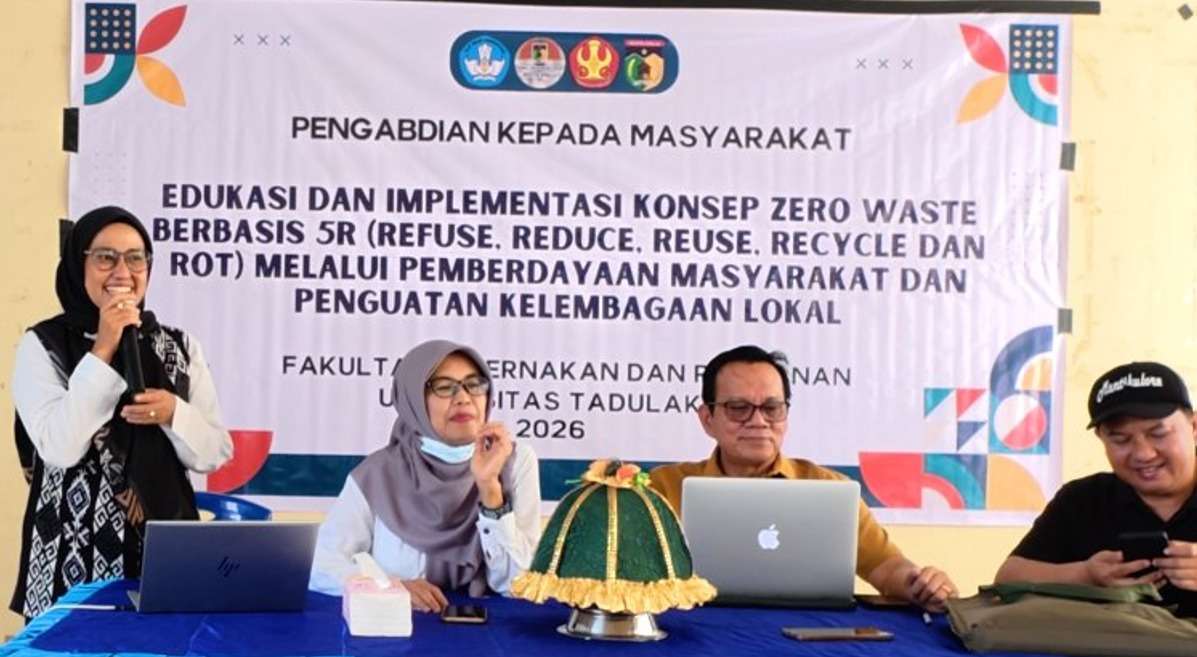
The 5R-based community engagement program combines education, skills training, and strengthening of waste banks to promote sustainable waste management.
MARITIMEPOSTS.COM — Waste management cannot be addressed through environmental clean-up activities alone. Behavioral change, waste-processing skills, and strong community institutions are also essential to ensure that waste reduction begins at its source and becomes a sustainable practice.
In response to this need, a team of lecturers from the Faculty of Animal Husbandry and Fisheries (FAPETKAN), Tadulako University, implemented a 2026 Community Service Program (PkM) under the Regional Flagship Product Scheme.
The program, entitled “Education and Implementation of the 5R-Based Zero Waste Concept (Refuse, Reduce, Reuse, Recycle, and Rot) through Community Empowerment and Strengthening of Local Institutions,” was conducted in Tondo Subdistrict, Mantikulore District, Palu City.
The program was led by Dr. Musayyadah Tis’in, S.Kel., M.Si., together with Dr. Ir. Samliok Ndobe, M.Si., IPM., ASEAN Eng., Dr. Ir. Eka Rosyida, M.Sc., Nur Hasanah, S.Pi., M.Si., and Femi Riza, S.Pi., M.Si.
The activities also involved seven university students and brought together lecturers from the fields of Marine Science, Aquaculture, and Aquatic Resources.
Team leader Dr. Musayyadah Tis’in explained that the initiative was designed not only to improve public awareness of waste-related issues but also to equip community members with practical skills to manage waste independently.
“We want people not only to understand waste-related problems but also to be able to apply the 5R principles—Refuse, Reduce, Reuse, Recycle, and Rot—in their daily lives. Strengthening local institutions is equally important to ensure that waste management activities can continue independently and sustainably, even after the community service program has ended,” Musayyadah said.
Learning to Sort and Process Waste at Its Source
Tondo is an area characterized by educational institutions and residential settlements, with numerous boarding houses, food businesses, and households generating both organic and plastic waste.
Without proper management, land-based waste can pollute drainage channels and coastal areas, eventually threatening coastal and marine ecosystems.
Musayyadah added that during activities held on September 26 and October 22, 2026, community members were introduced to the five principles of 5R: refusing single-use products (refuse), reducing consumption that generates waste (reduce), reusing items (reuse), recycling materials (recycle), and processing organic waste (rot).
“The educational sessions also covered microplastic pollution, the impacts of unmanaged organic waste, and its links to climate change,” she explained.
Participants included representatives from the Family Welfare Movement (PKK), Youth Organizations (Karang Taruna), fishing communities, micro, small, and medium-sized enterprises (MSMEs), and waste bank managers.
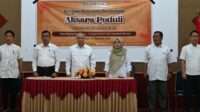
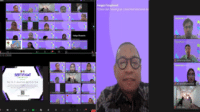
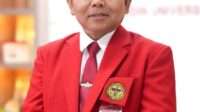
Ibnu Mundzir, Secretary of the Palu City Environmental Agency, welcomed the initiative by FAPETKAN Tadulako University. He highlighted how the 5R-based community engagement program combines education, practical skills training, and the strengthening of waste banks to promote sustainable waste management.
“On behalf of the Palu City Government, we are very pleased and grateful for this initiative. It demonstrates our commitment that sustainable waste management is not solely the responsibility of government agencies but requires the involvement of all stakeholders. This initiative will also help raise public awareness and encourage greater community participation in waste management,” Ibnu Mundzir said.
The Tondo Subdistrict Administration and the Palu City Environmental Agency also supported the program.
“We warmly welcome this community service initiative by Tadulako University. Programs like this are important because they provide people with both knowledge and practical skills. We hope that cooperation between universities, the government, and communities can continue to grow in order to create a cleaner and healthier environment in Tondo,” the Tondo Subdistrict Head said.
Practical Training in Ecobricks, Eco-Enzymes, and Composting
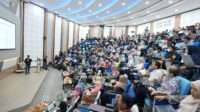
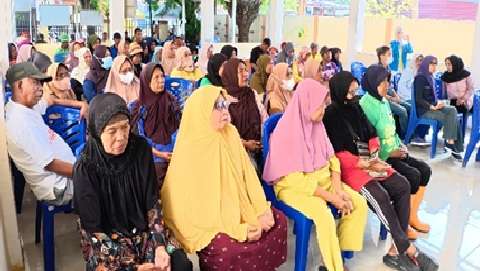
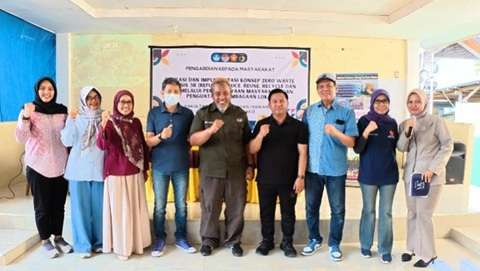
A total of 55 participants from various community groups took part in hands-on training on independent waste processing.
Participants learned how to transform hard-to-recycle plastic waste into ecobricks—used plastic bottles densely packed with pieces of plastic—which can then be assembled into simple stools.
They also practiced turning fruit and vegetable scraps into eco-enzymes and making simple composters using discarded buckets or drums.
The team additionally introduced a modern teba system as an alternative for community-scale organic waste management. In this way, the training went beyond theoretical knowledge by demonstrating practical solutions that households can adopt in their everyday lives.
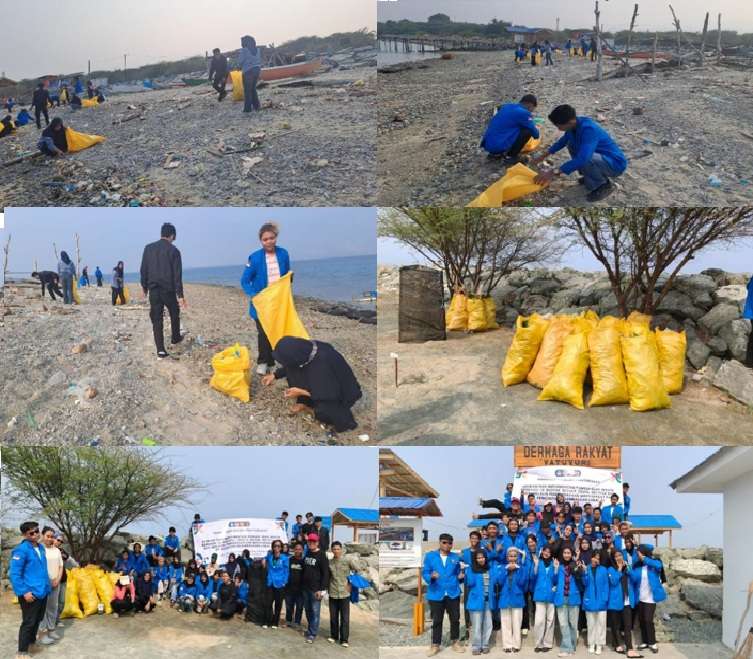
As part of its environmental action approach, the team also organized a beach clean-up at Vatuvuri Pier in Tondo Subdistrict on October 21, 2026. The activity involved 55 participants, including lecturers, students, and community members, with waste collection and transportation support from the Palu City Environmental Agency.
Strengthening Waste Banks and Local Institutions
Institutional strengthening was a key priority to ensure that the initiative would continue beyond the workshops.
The community service team identified the RT 3/RW 3 Waste Bank in Tondo as an existing community-based institution that was already operational but still required further development, particularly in organic waste processing and the management of low-value plastics.
The program therefore encouraged coordination among waste bank managers, PKK representatives, youth organizations, fishing communities, and MSME operators. Activities included promoting waste sorting at the source, reducing single-use packaging, and providing assistance in utilizing waste-processing facilities to ensure that 5R practices could be sustained.
Community participation in discussions and practical sessions demonstrated that effective waste management requires residents to become the main actors, rather than merely recipients of awareness campaigns.
For waste bank managers, improving the processing of organic waste and plastic materials that are difficult to sell has become a particular priority addressed through the training.
The involvement of the subdistrict administration is expected to further strengthen coordination at the community level.
A representative of the RT 3/RW 3 Waste Bank management expressed appreciation for the training, noting that it had provided residents with new knowledge and practical skills, particularly in processing organic and plastic waste that had previously been underutilized.
“Through this training, we have gained new knowledge about how to process organic and plastic waste so that it can become useful again. We hope this initiative will not stop here but will be followed by continued mentoring, allowing participants to apply their newly acquired skills regularly and encouraging more residents to become involved in waste management within our neighborhood,” the representative said.
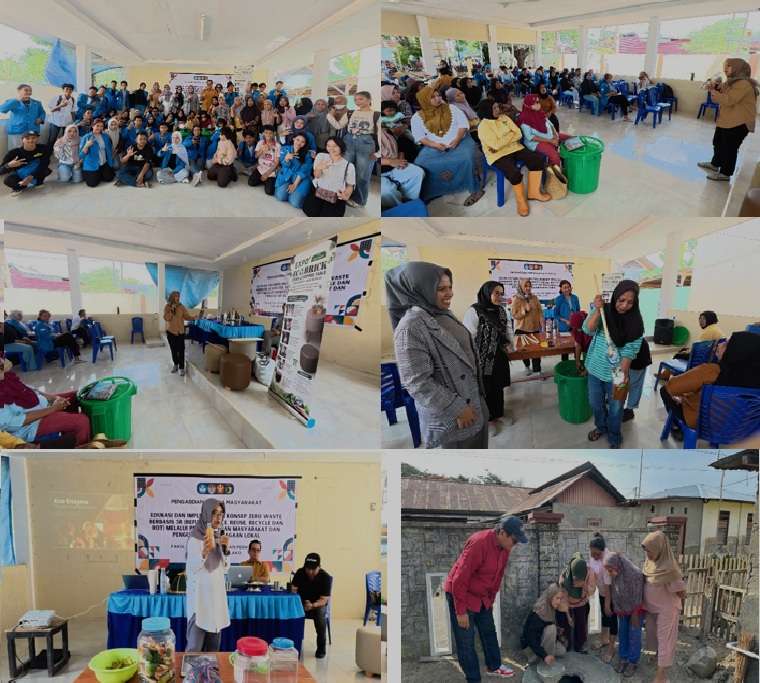
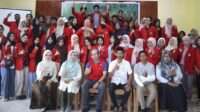
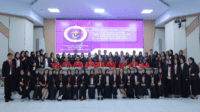
Residents enthusiastically participate in the waste management activities organized by the FAPETKAN team of Tadulako University (Photo: FAPETKAN Tadulako University Team).
Concrete Action for Tondo’s Coastal Environment
As part of its environmental action approach, the team also organized a beach clean-up at Vatuvuri Pier in Tondo Subdistrict on October 21, 2026. The activity involved 55 participants, including lecturers, students, and community members, with waste collection and transportation support from the Palu City Environmental Agency.
The zero waste principle was also incorporated into the organization of the activities. Measures included using reusable plates and glasses, serving meals buffet-style, and limiting single-use packaging. These practices demonstrated that waste reduction can begin with simple everyday habits.
Through collaboration among universities, local government, and community groups, Tondo is expected to become increasingly capable of reducing waste at its source while protecting its coastal environment.
Funded through Tadulako University’s 2026 Public Service Agency (BLU) budget allocation (DIPA), the program also contributes to the Sustainable Development Goals (SDGs), particularly SDG 13 on Climate Action.
Editor: K. Azis