
5 Game-Changing Takeaways from Asia-Pacific Ocean Week 2026: Why the Future of Our Planet Depends on the Ocean
MARITIMEPOSTS.COM – The future of the ocean is no longer simply a matter of conservation or resource management. It is increasingly tied to the global climate agenda, food security, economic resilience, and the livelihoods of millions of people living along the world’s coastlines.
Rising ocean temperatures, marine plastic pollution, declining fish stocks, deteriorating coastal ecosystems, and persistent financing gaps are interconnected challenges. Addressing them requires more than isolated conservation projects or national policy interventions. It calls for integrated governance, scientific cooperation, sustainable investment, and meaningful collaboration across borders.
These challenges took centre stage at Asia-Pacific Ocean Week 2026 (APOW 2026), held from October 26 to 30 at the United Nations Conference Centre (UNCC) in Bangkok, Thailand.
Organised by the United Nations Economic and Social Commission for Asia and the Pacific (UNESCAP), the regional forum brought together representatives of Asia-Pacific governments, United Nations agencies, academic institutions, civil society organisations, the private sector, and regional organisations to discuss the future of ocean governance and the implementation of Sustainable Development Goal 14 (SDG 14), which focuses on Life Below Water.
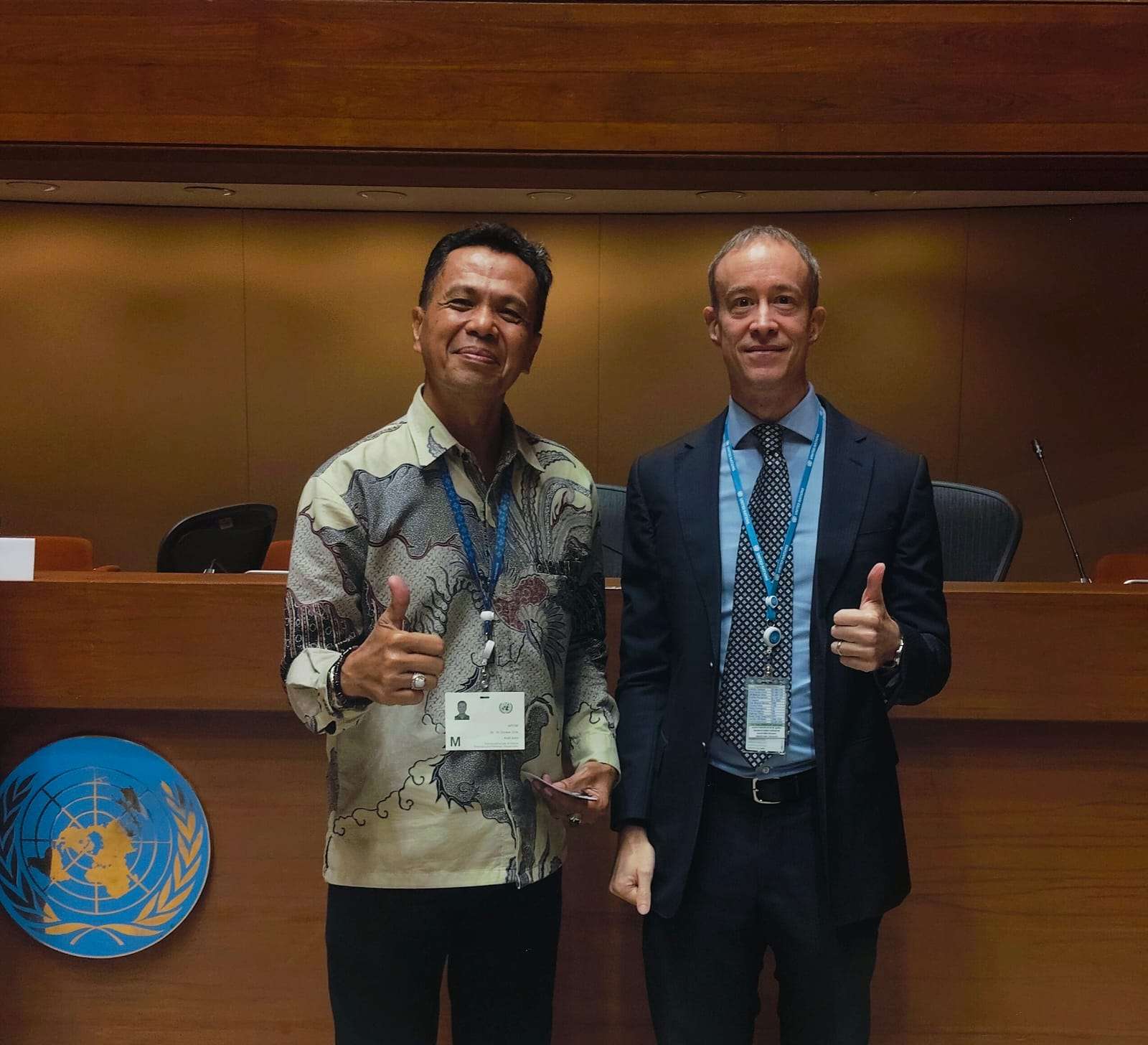
Among the Indonesian academics attending the forum was Andi Amri, Ph.D., from the Faculty of Marine Science and Fisheries (FIKP), Hasanuddin University (Unhas), Indonesia.
His participation offered an opportunity to connect Indonesia’s academic and maritime perspectives with broader regional discussions on ocean sustainability, climate action, marine conservation, and the blue economy.
One message stood out throughout the discussions: the ocean does not recognise national boundaries, and neither should the solutions designed to protect it.
Here are five important takeaways from APOW 2026 and what they mean for the future of ocean governance in the Asia-Pacific.
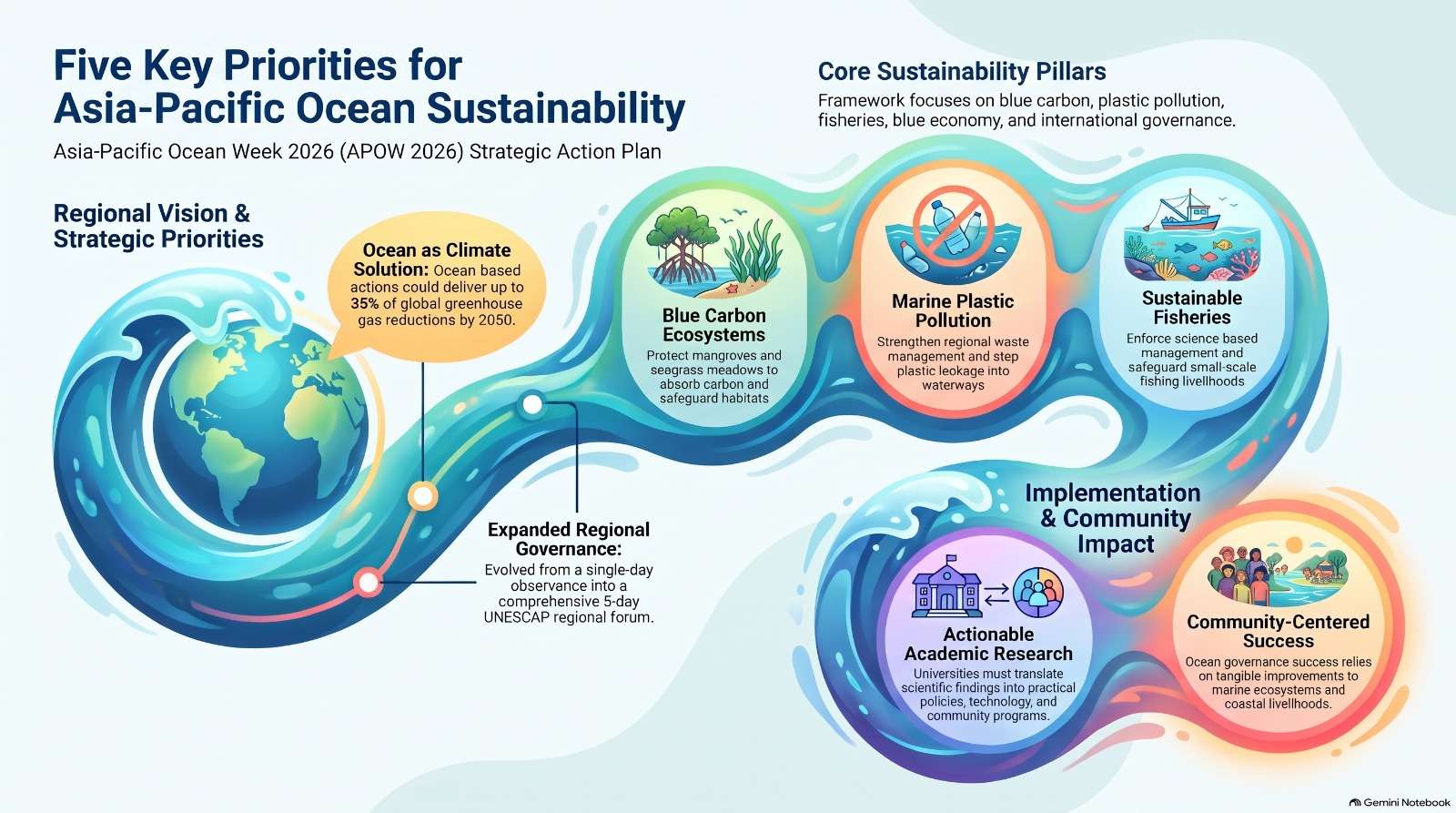
The Ocean Is Not Just a Victim of Climate Change. It Is Part of the Solution.
One of the major highlights of APOW 2026 was the presentation of the UNESCAP report, Ocean-based Climate Action in Asia and the Pacific: Status and Ways Forward.
The report reinforces an important shift in global climate thinking: the ocean should not be viewed merely as a victim of climate change, but also as a critical part of the solution.
Ocean-based climate action could contribute up to 35 per cent of the global greenhouse gas emission reductions needed by 2050, according to the report.
This potential rests on several important interventions.
The first is the protection and restoration of blue carbon ecosystems, particularly mangroves, seagrass meadows, and coastal wetlands, which absorb and store significant amounts of carbon while providing essential habitats for marine biodiversity.
The second is reducing emissions from maritime transport, an increasingly important component of global trade and regional connectivity.
The third involves accelerating offshore renewable energy development, particularly offshore wind, as countries seek to diversify their energy sources and reduce dependence on fossil fuels.
However, unlocking this potential requires substantial climate financing, technological innovation, technical expertise, and stronger coordination across government institutions and economic sectors.
For Indonesia, one of the world’s largest archipelagic nations, the implications are significant.
The country has extensive mangrove ecosystems, seagrass habitats, marine biodiversity, and coastal communities whose livelihoods depend on healthy marine environments. These assets provide Indonesia with an important foundation for contributing to global ocean-based climate solutions.
Reflecting on Indonesia’s potential, Andi Amri emphasised the importance of combining ecological resources with sound governance and scientific knowledge.
“Indonesia possesses valuable ecological assets and human resources for the global ocean agenda. The challenge is to manage this potential through science-based approaches, consistent policies, and collaboration that delivers tangible benefits to society,” he noted.
The message is clear: natural wealth alone does not guarantee sustainability. Strong institutions, effective policies, and community participation are equally essential.
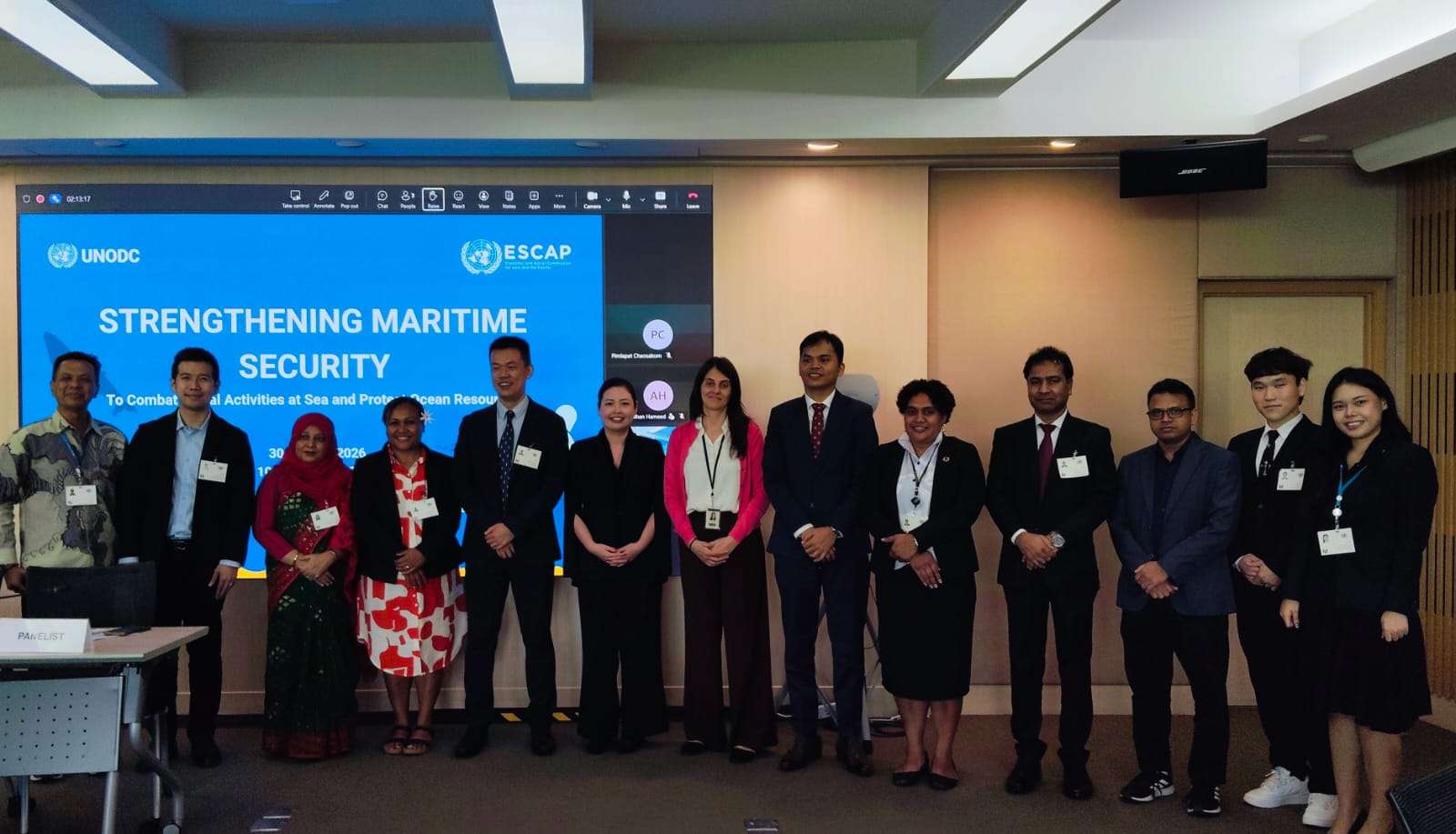
Ocean Governance Requires More Than One-Day Events
APOW 2026 also marked an important evolution in regional ocean diplomacy.
The event developed from the Asia-Pacific Day for the Ocean, an initiative that began in 2018, into a comprehensive five-day regional gathering.
This transition reflects the growing recognition that complex ocean challenges cannot be adequately addressed through occasional commemorative events or fragmented discussions.
A full week of activities provides greater opportunities for governments, UN agencies, researchers, civil society organisations, and businesses to exchange knowledge, discuss policy approaches, showcase innovations, and develop partnerships.
It also creates space for conversations that go beyond technical environmental issues to include financing, institutional capacity, technology transfer, and the social dimensions of ocean sustainability.
The expansion of the forum reflects an important development in regional diplomacy: ocean governance is becoming an increasingly central component of sustainable development cooperation in the Asia-Pacific.
For Andi Amri, the importance of such platforms lies in their ability to connect different actors and perspectives.
Marine pollution, climate-related pressures, coastal degradation, and declining fish stocks are not problems that can be resolved by individual countries acting alone. They require coordinated responses involving governments, universities, research institutions, businesses, and coastal communities.
The challenge is therefore not simply to create more international meetings, but to ensure that these platforms produce sustained cooperation and measurable results.
Five Strategic Pillars Will Shape the Future of Ocean Sustainability
Discussions throughout APOW 2026 highlighted five interconnected priorities that will influence the future of regional ocean policy.
Blue carbon and coastal ecosystem protection
Mangroves, seagrass meadows, and other coastal ecosystems play a dual role in climate mitigation and adaptation. Protecting these environments helps store carbon, safeguard biodiversity, reduce coastal vulnerability, and sustain fisheries-dependent communities.
Marine plastic pollution
Plastic pollution remains one of the most visible threats to marine ecosystems. Addressing it requires improved waste management, reduced plastic leakage into waterways, stronger regional cooperation, and effective partnerships between governments and the private sector.
An important related initiative was SEA of Solutions 2026, organised by the United Nations Environment Programme (UNEP) and the Coordinating Body on the Seas of East Asia (COBSEA) on October 28.
Sustainable fisheries
The sustainability of marine resources depends on science-based fisheries management, effective monitoring, protection of small-scale fishers, stronger fisheries institutions, and improvements throughout seafood value chains.
For countries where coastal livelihoods remain closely connected to fishing, sustainability must also mean protecting the economic and social security of fishing communities.
Blue economy and ocean energy
The blue economy offers opportunities to create economic value while maintaining the ecological integrity of marine environments. This includes responsible investment, marine renewable energy, technological innovation, and new financing mechanisms for ocean-related climate action.
International ocean governance
The implementation of the Agreement on Biodiversity Beyond National Jurisdiction (BBNJ) represents an important development in international efforts to protect marine biodiversity in areas beyond national jurisdiction.
Together, these five priorities demonstrate that ocean sustainability cannot be achieved through isolated environmental interventions.
Ecological protection, economic development, technological innovation, public policy, and human welfare must be addressed as interconnected elements of a broader ocean governance framework.
Universities Must Connect Scientific Knowledge with Coastal Realities
One of the most important implications of APOW 2026 concerns the role of universities and research institutions.
Academic institutions are increasingly expected to contribute beyond conventional teaching and scientific publication. They must also help translate research findings into practical solutions, public policy recommendations, technological innovation, and community-based programmes.
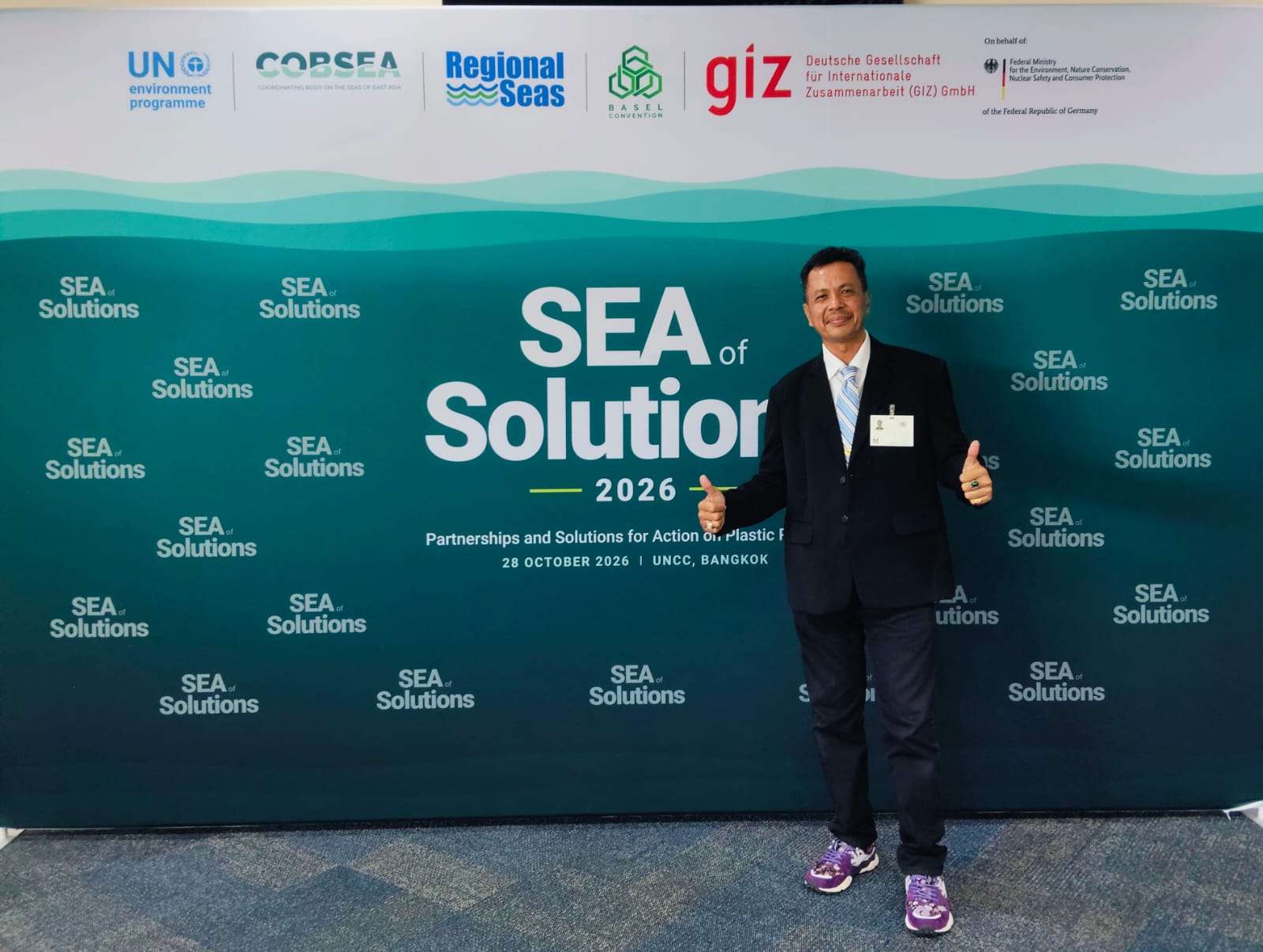
For Hasanuddin University, particularly its Faculty of Marine Science and Fisheries, this presents an opportunity to strengthen its contribution to national and regional ocean governance.
Indonesia’s marine challenges are diverse, ranging from coastal ecosystem degradation and marine pollution to fisheries management, climate adaptation, and the economic vulnerability of small-scale fishing communities.
Addressing these challenges requires scientific research that is closely connected to the needs of policymakers and coastal populations.
Andi Amri underlined this responsibility in his reflections on academic participation in international ocean discussions.
“Universities cannot stop at producing scientific publications. Knowledge and research findings must be translated into policy recommendations, technological innovations, and practical solutions that address the challenges faced by coastal communities,” he said.
This perspective highlights the importance of strengthening the relationship between universities, government institutions, local communities, and the private sector.
Research becomes more meaningful when its findings contribute to better decisions, improved environmental management, and stronger livelihoods.
International forums such as APOW 2026 can therefore serve as important platforms for universities to expand research networks, exchange scientific knowledge, and develop collaborative programmes with regional and international partners.
The Real Measure of Success Is the Impact on Coastal Communities
International ocean diplomacy can generate ambitious declarations, policy frameworks, and cooperation agreements. Yet their real value ultimately depends on what happens beyond conference rooms.
APOW 2026 included several thematic activities that illustrated the breadth of regional cooperation.
On October 27, discussions addressed regional action for environmental resilience in the South China Sea and the Gulf of Thailand.
On October 28, SEA of Solutions 2026 focused on regional responses to marine plastic pollution.
On October 29, the launch of the Kunming Biodiversity Fund project highlighted the importance of strengthening connections between scientific knowledge, policymaking, and marine biodiversity conservation.
These initiatives demonstrate the growing range of mechanisms being developed to address shared environmental challenges.
Nevertheless, a fundamental question remains: how effectively can international commitments be translated into national programmes and tangible improvements at the local level?
For Indonesia, this question is particularly important.
Ocean policies must ultimately contribute to healthier marine ecosystems, more sustainable fisheries, stronger coastal economies, and better protection for the people whose livelihoods depend on the sea.
Small-scale fishers, coastal households, local businesses, and community-based organisations should not remain passive recipients of international development agendas. They must be active participants in shaping and implementing ocean policies.
Andi Amri stressed that the success of ocean governance should be measured through its actual contribution to environmental and social outcomes.
“The measure of success is not simply the number of agreements reached, but the extent to which these policies improve ecosystem health and the livelihoods of coastal communities,” he explained.
This is perhaps one of the most important lessons from APOW 2026: international cooperation matters only when it produces meaningful change on the ground.
From International Dialogue to Local Action
Asia-Pacific Ocean Week 2026 has reinforced the importance of treating the ocean as a shared foundation for environmental sustainability, economic resilience, and human well-being.
The discussions in Bangkok demonstrated that safeguarding marine ecosystems requires cooperation across academic disciplines, institutional boundaries, and national jurisdictions.
For Indonesia, participation in such international platforms should be more than diplomatic representation. It should create opportunities to strengthen scientific partnerships, improve marine governance, expand access to technology and climate financing, and bring international experience into national and local development programmes.
Andi Amri’s participation also highlights the contribution Indonesian universities can make to the wider regional ocean agenda.
As an archipelagic country with extraordinary marine resources and significant coastal development challenges, Indonesia has both an opportunity and a responsibility to play a stronger role in shaping the future of ocean governance.
The ultimate challenge is to ensure that global commitments translate into healthier oceans, sustainable fisheries, resilient coastal ecosystems, and more prosperous fishing communities.
The future of the ocean will not be determined by declarations alone. It will depend on science, responsible investment, effective governance, and the collective willingness to turn commitments into action.
The most important question emerging from Bangkok is this: can Asia-Pacific countries move beyond discussing the future of the ocean and begin delivering the changes that coastal communities and marine ecosystems urgently need?
Reported by Andi Amri, Ph.D., Faculty of Marine Science and Fisheries, Hasanuddin University (Unhas), Indonesia. Edited for MaritimePosts.com.