
MARITIMEPOSTS.COM – SORONG, Indonesia — From the biodiversity-rich forests of Tambrauw to the waters of Raja Ampat, long regarded as one of the world’s iconic tropical marine landscapes, Southwest Papua offers a simple reminder: nature does not recognize administrative boundaries.
Forests, rivers, coastlines, coral reefs, and oceans form a connected ecological landscape. When one part is disrupted, its impacts can travel across ecosystems. Protecting the ocean, therefore, cannot be achieved by talking about the ocean alone.
This idea was among the key messages during the visit of the British Ambassador to Indonesia, Dominic Jermey, to Southwest Papua on September 10, 2026.
The visit provided an opportunity to observe the progress of Indonesia–UK cooperation through the Darwin Extra Ridge-to-Reef Conservation initiative, which connects terrestrial and marine conservation while strengthening the role of local communities in protecting nature and developing sustainable livelihoods.
Working with the Government of Indonesia, the Southwest Papua Provincial Government, and local partners, the initiative links forest protection efforts in Tambrauw with the globally important marine ecosystems of Raja Ampat.
The ridge-to-reef approach views the landscape as a single interconnected system: what happens in mountains and forests can ultimately affect rivers, coastal areas, and the sea.
Yet conservation under this approach is not simply about protecting designated areas. It is also about the people who live in and around these ecosystems.
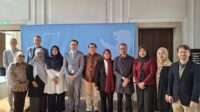
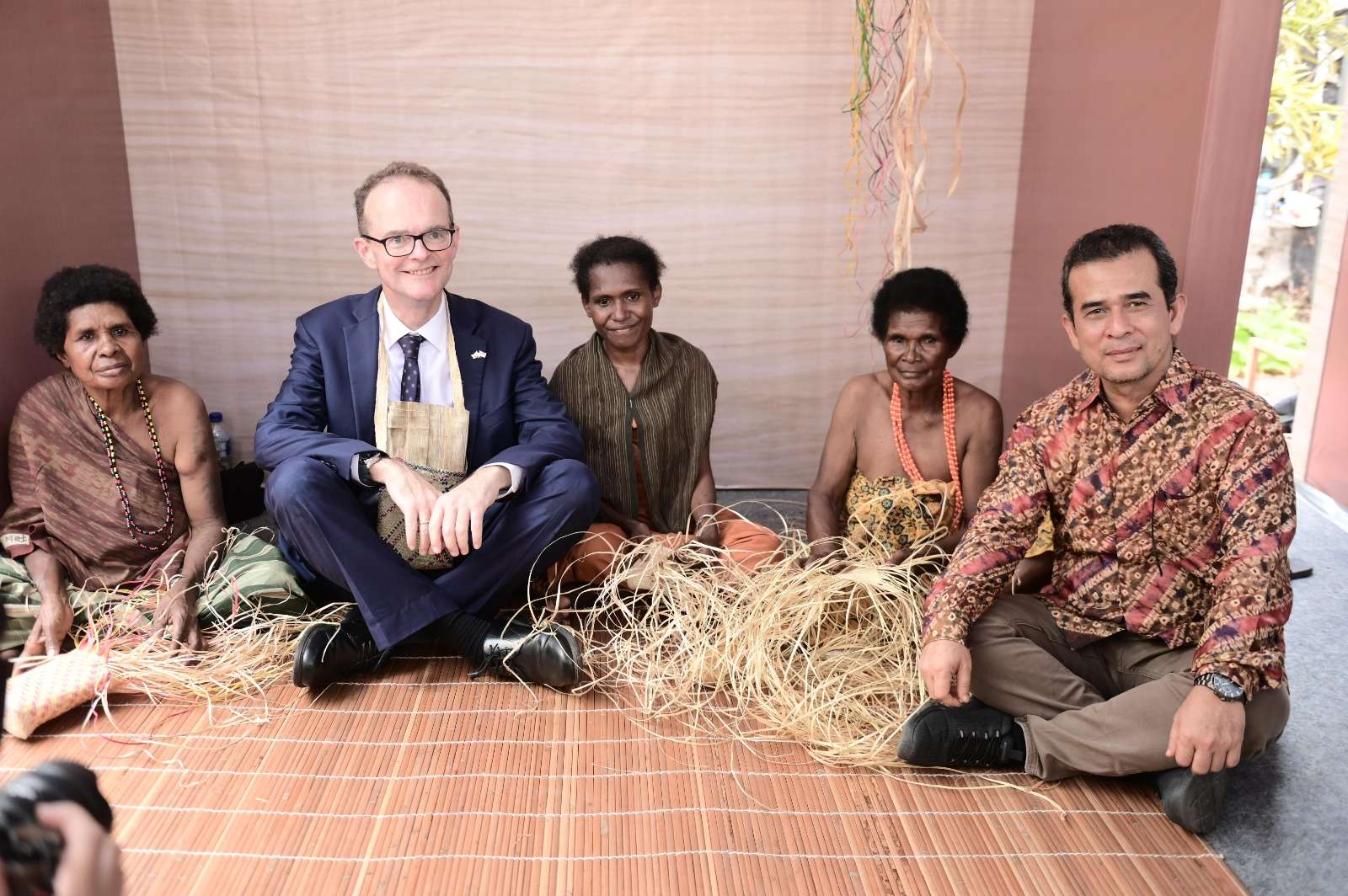
During his visit, Ambassador Dominic met with Genman Hasibuan, Head of the Natural Resources Conservation Agency, as well as communities involved in conservation initiatives and sustainable livelihood programs.
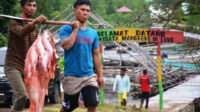
Local processed food products, handicrafts, and community-based environmental activities on display offered a glimpse of how conservation can become part of everyday life.
At this point, environmental diplomacy moves beyond meeting rooms. It takes shape in products created by local residents, knowledge passed down through communities, and efforts to protect the natural resources that sustain their lives.
“From the forests of Tambrauw to the waters of Raja Ampat, Southwest Papua is home to some of the most extraordinary biodiversity in the world,” Dominic said.
He emphasized that the interconnectedness of these ecosystems requires strong local leadership and close partnerships. The UK, he said, is committed to working with the Indonesian government and local partners to strengthen conservation, support sustainable livelihoods, and mobilize long-term financing for nature protection.
Through the Darwin Extra Ridge-to-Reef initiative, the UK is working with several partners, including Fauna & Flora and the Yayasan Konservasi Alam Nusantara (YKAN), to strengthen conservation governance and expand community-supported protection of terrestrial and marine ecosystems.
Dominic’s visit also carried another message: the future of conservation requires investment in people.
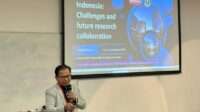
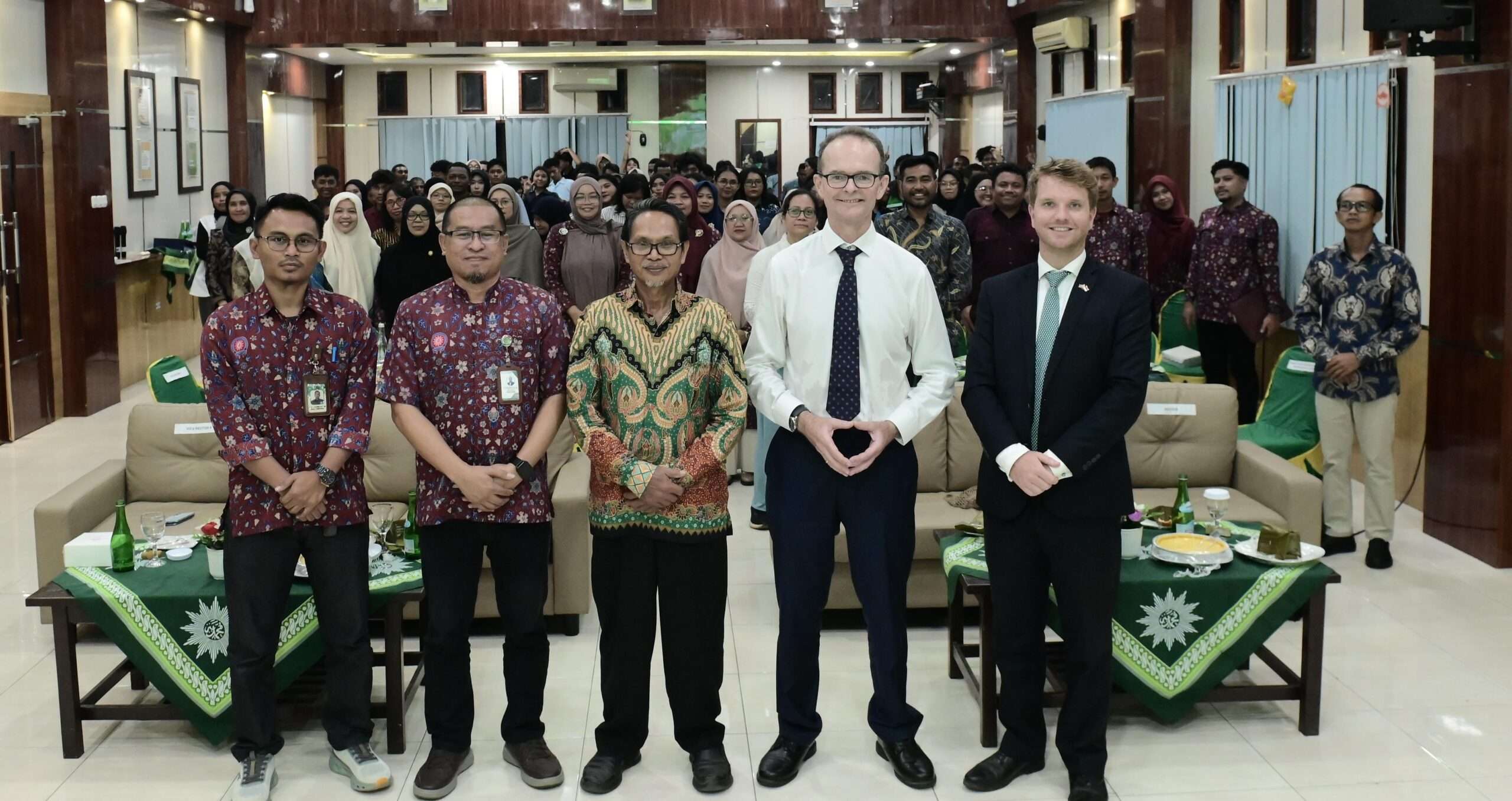
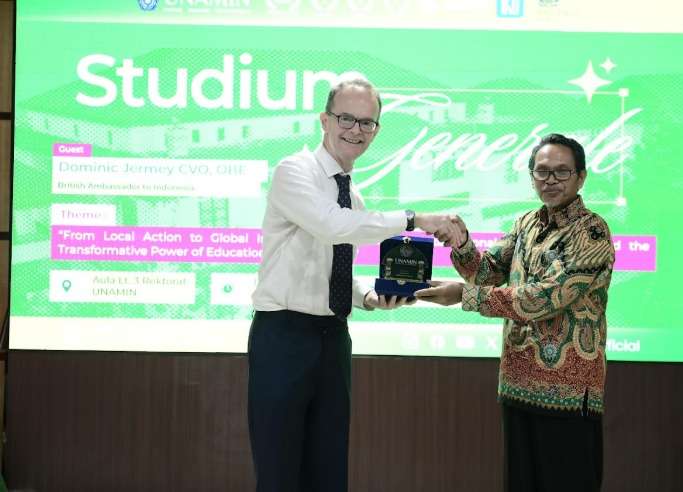
At Universitas Muhammadiyah Sorong, he met with academics and students to discuss climate change, international development, education, and the role of international exchange in preparing the next generation of leaders.
Education opportunities formed part of that conversation.
An academic based and working in Sorong is set to pursue further study in the UK this year through the prestigious Chevening Scholarship program. Dominic encouraged more prospective leaders from Southwest Papua to take advantage of the opportunity.
From this perspective, protecting Raja Ampat and the forests of Tambrauw is not simply about preserving extraordinary landscapes. It is also about strengthening the capacity of the people who live alongside them.
Ultimately, sustainability is shaped not only by how much land and sea can be protected, but also by how strongly the people connected to those places are equipped with knowledge, opportunities, networks, and reasons to keep protecting them.