
From Commitments to Action: Indonesian Delegation Explores Climate Governance and Circular Economy in Berlin
MARITIMEPOSTS.COM – Berlin, Germany — Turning climate commitments into tangible action requires more than ambitious targets—it demands collaboration, innovation, and learning across borders.
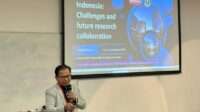
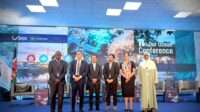
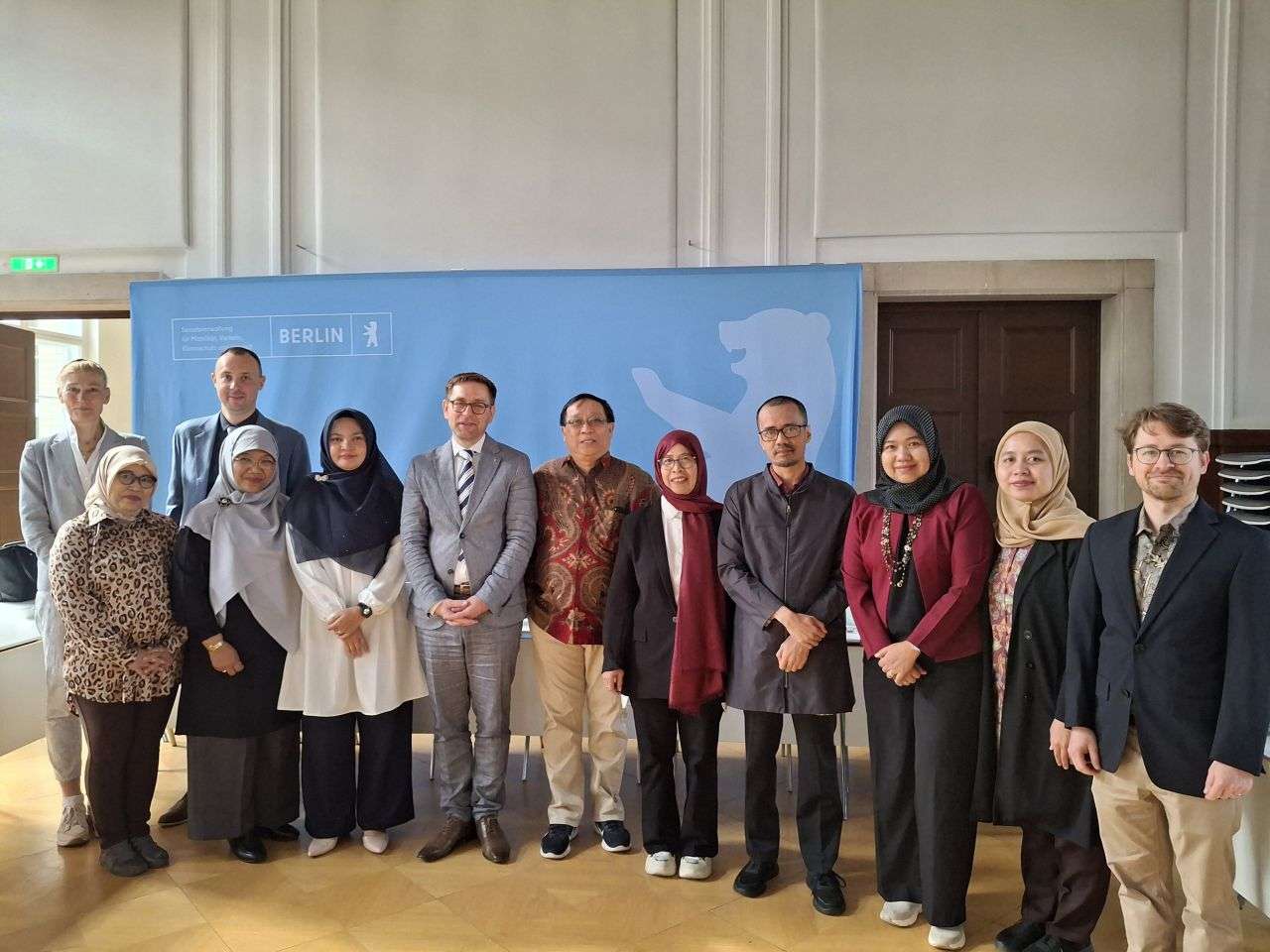
This spirit of international cooperation brought together an Indonesian delegation comprising representatives from the Ministry of Environment, Hasanuddin University, and Lancang Kuning University for a series of high-level exchanges in Berlin, Germany.
The visit served as an opportunity to strengthen partnerships with German institutions and stakeholders while exploring practical approaches to climate governance, sustainable urban development, waste management, and the transition toward a circular economy.
One of the highlights of the program was a visit to the Deutscher Bundestag, where the delegation met with Dr. Wolfgang Stefinger and Hans Koller, Member of the Bundestag (MdB). Discussions centered on Germany’s development cooperation priorities and the country’s extensive experience in designing and implementing policies for waste management and the circular economy.
The exchange provided valuable insights into how effective legislation, strong institutions, and public participation can work together to create sustainable environmental policies. Participants also reflected on how these experiences could inform Indonesia’s own efforts to address growing environmental challenges and accelerate its climate agenda.
The delegation also held constructive discussions with Andreas Kraus, Permanent Secretary for Climate Protection and the Environment at the Berlin Senate.
Conversations focused on urban climate governance, resilient infrastructure, integrated water management, and the role of cities in responding to the impacts of climate change.
As urban areas continue to face increasing environmental pressures, the meeting underscored the importance of long-term planning, cross-sector collaboration, and evidence-based policymaking in building climate-resilient communities.
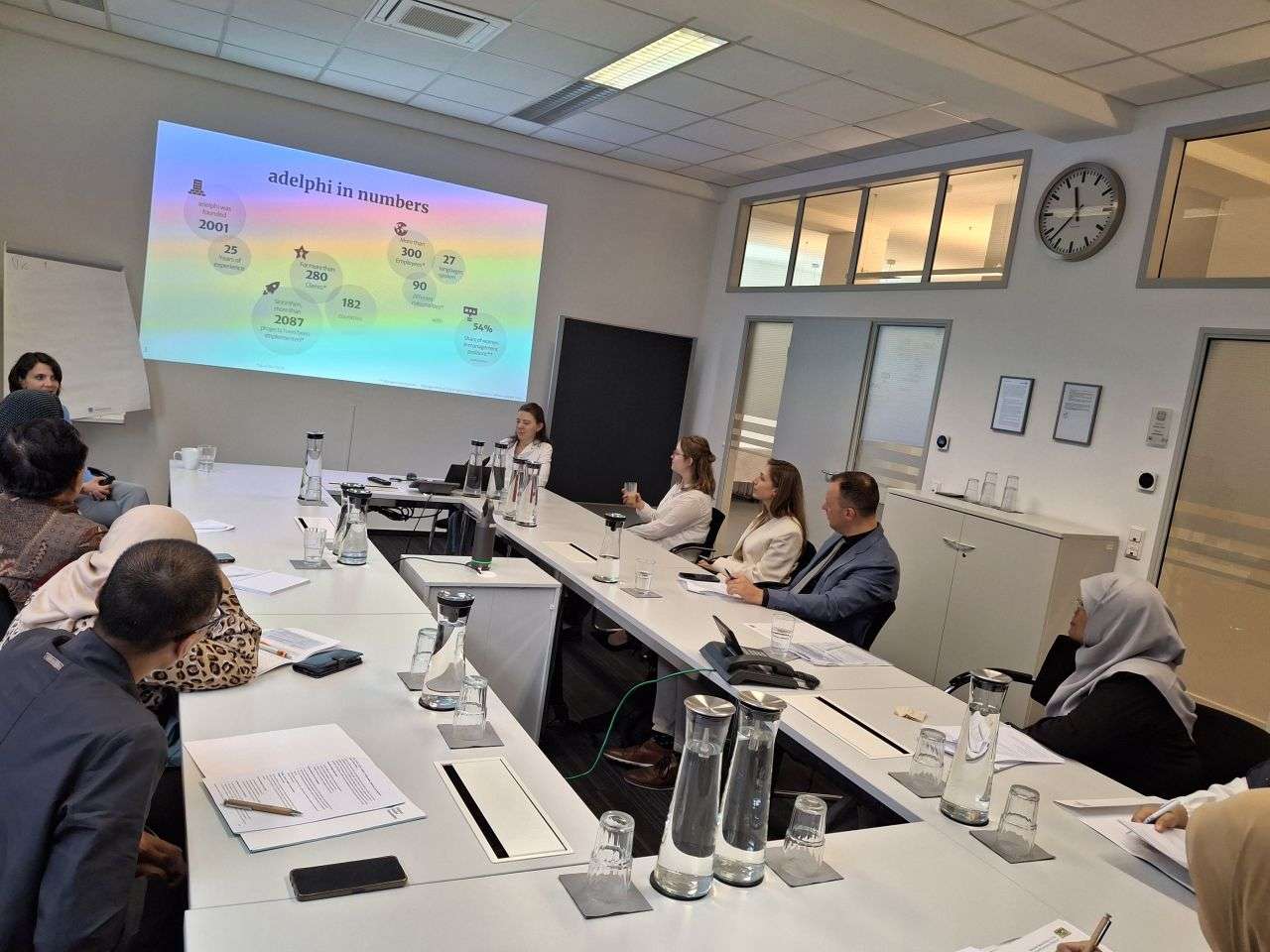
Further engagements included meetings with representatives from the Federal Ministry for the Environment, Nature Conservation, Nuclear Safety and Consumer Protection (BMUV), the International Climate Initiative (IKI), and adelphi, one of Germany’s leading think tanks on sustainability and climate policy.
These discussions offered deeper perspectives on climate adaptation strategies, policy formulation, financing mechanisms, and the practical challenges governments face in implementing ambitious environmental commitments.
Participants exchanged experiences on translating international climate goals into local actions that generate measurable environmental and social impacts.
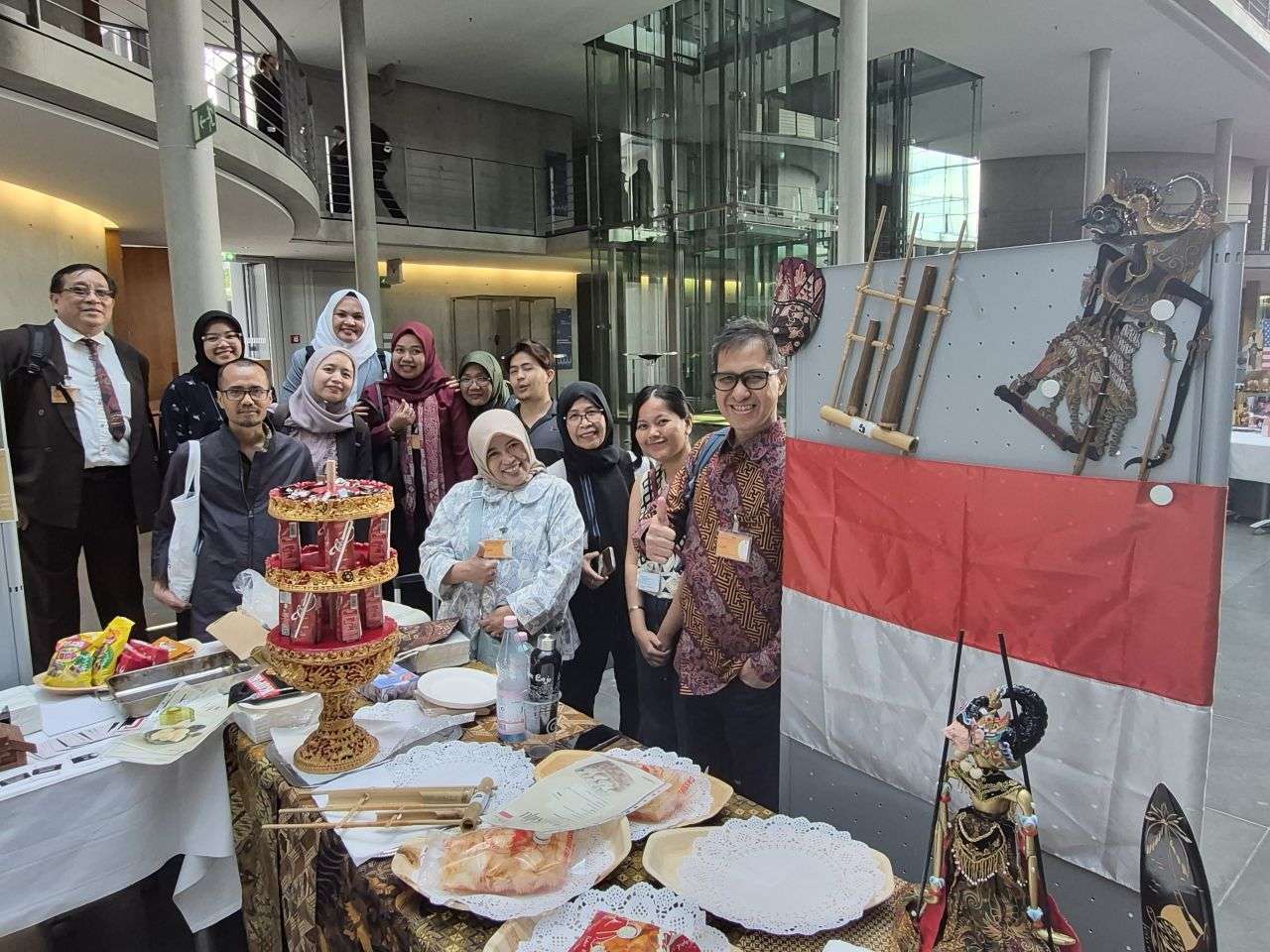
Another memorable stop was the Futurium, Berlin’s renowned House of Futures. More than an exhibition space, Futurium illustrates how innovation, science, technology, and citizen engagement can shape a more sustainable future.
The visit reinforced an important lesson: successful climate transformation cannot rely solely on governments or technology. It also depends on active public participation, inclusive dialogue, and a shared vision for future generations.
The study visit highlighted the value of international partnerships in addressing one of the defining challenges of our time.
By learning from Germany’s experiences while sharing Indonesia’s own perspectives, the delegation strengthened mutual understanding and opened new opportunities for future collaboration in climate governance and sustainable development.
The Indonesian delegation expressed its sincere appreciation to all German partners for their warm hospitality, open dialogue, and willingness to share knowledge. Such exchanges continue to demonstrate that meaningful climate action is best achieved through cooperation, trust, and a shared commitment to building a more resilient and sustainable world.
__
Source Hanns Seidel Foundation (Linkedin)