
MARITIMEPOSTS.COM – MAKASSAR – Artificial Intelligence (AI) is rapidly transforming higher education. Beyond simplifying information processing, the technology offers new opportunities to improve teaching and learning, as well as administrative services.
In response to these developments, Hasanuddin University (Unhas) is strengthening the capacity of its academic community to adopt and utilize generative AI technologies.
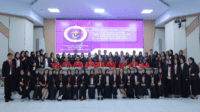
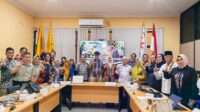
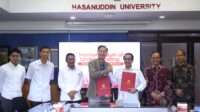
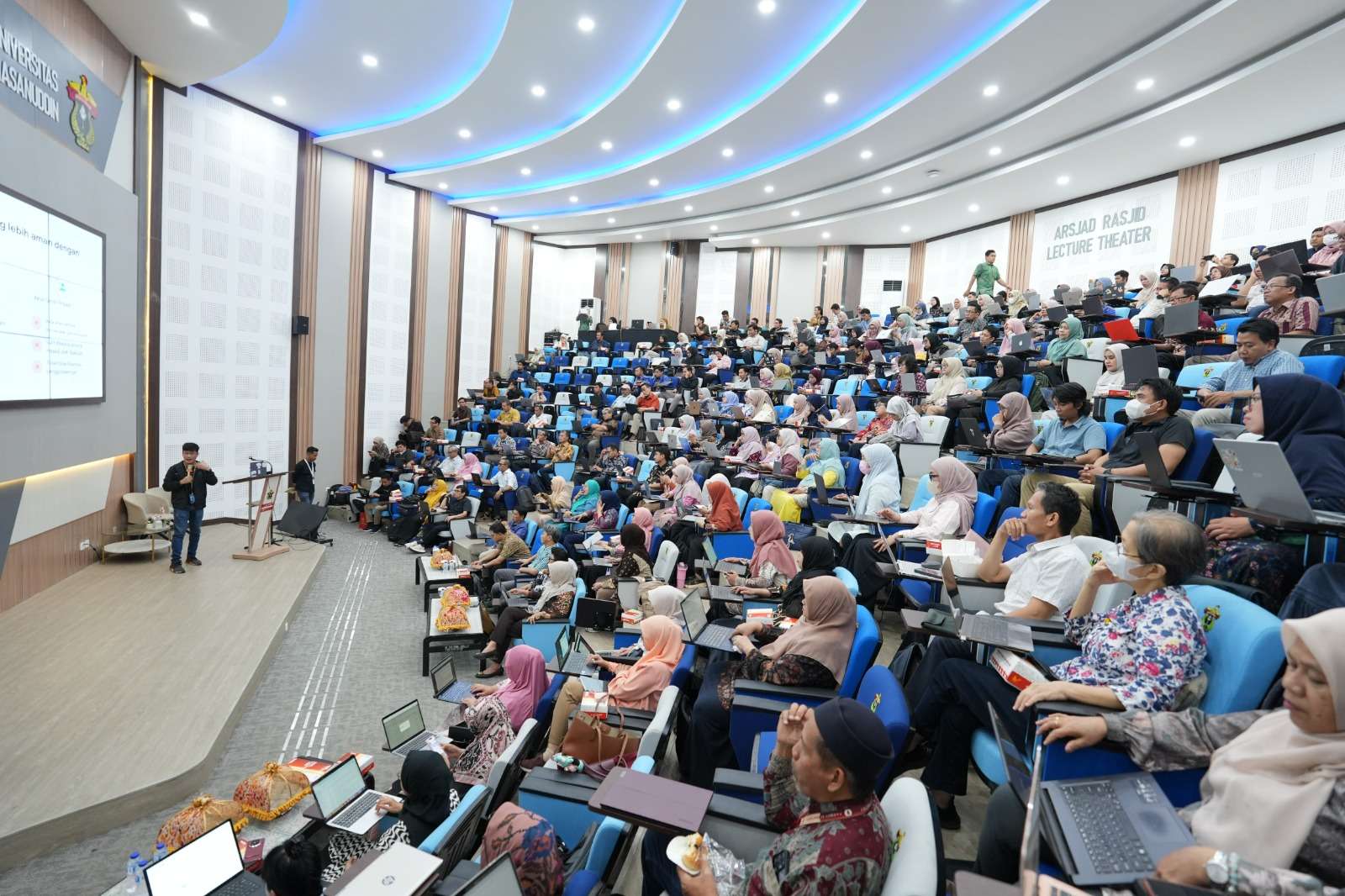
This commitment was demonstrated through the Gemini Academic Training program, involving lecturers, administrative staff, and students. The initiative was organized in collaboration with Google Indonesia, Google for Education, and the Ministry of Primary and Secondary Education (Kemendikdasmen).
Chair of the Unhas Institute for Digital Transformation and Artificial Intelligence, Prof. Dr. Eng. Ir. Muhammad Niswar, S.T., M.InfoTech., explained that the training forms part of the university’s human resource development strategy in responding to digital transformation. He emphasized that adopting AI technology must be accompanied by adequate knowledge and skills to ensure its benefits are fully realized.
“Through this training, we hope that the Unhas academic community will become more proficient in utilizing AI technology. Mastering its various features can help improve productivity, accelerate task completion, and support the development of teaching, learning, and academic services,” Prof. Niswar said.
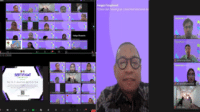
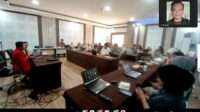
The training featured Kristiyanto, S.H., MPP., and M. Edward Ranggong from Google for Education as speakers. They delivered presentations and practical guidance on using Gemini, introducing various tools and features relevant to academic activities and everyday professional tasks.
During the hands-on sessions, participants explored how Gemini could be applied to their respective needs. Lecturers can use the technology to prepare teaching materials and develop course content, while students can utilize it to explore information and support their learning processes. Administrative staff, meanwhile, can benefit from AI to improve the efficiency of administrative tasks and services.
The involvement of these three academic groups highlights that AI literacy is not merely about technical proficiency. It is also part of a broader effort to build a university ecosystem that can adapt and respond effectively to technological developments.
At the same time, responsible AI adoption requires an understanding of its limitations. Information accuracy, academic integrity, and critical thinking must remain essential priorities to ensure that AI serves as a supporting tool rather than a replacement for human intellectual capabilities.
The Gemini Academic Training was attended by hundreds of participants and held over two days, Friday–Saturday, October 30–31, 2026, at the Arsjad Rasyid Auditorium, Unhas Tamalanrea Campus, Makassar. (*/mir)