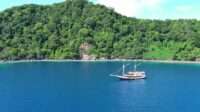

MARITIMEPOSTS.COM – Berau Regency occupies a strategic position within the Sulu-Sulawesi seascape, part of the world’s Coral Triangle region.
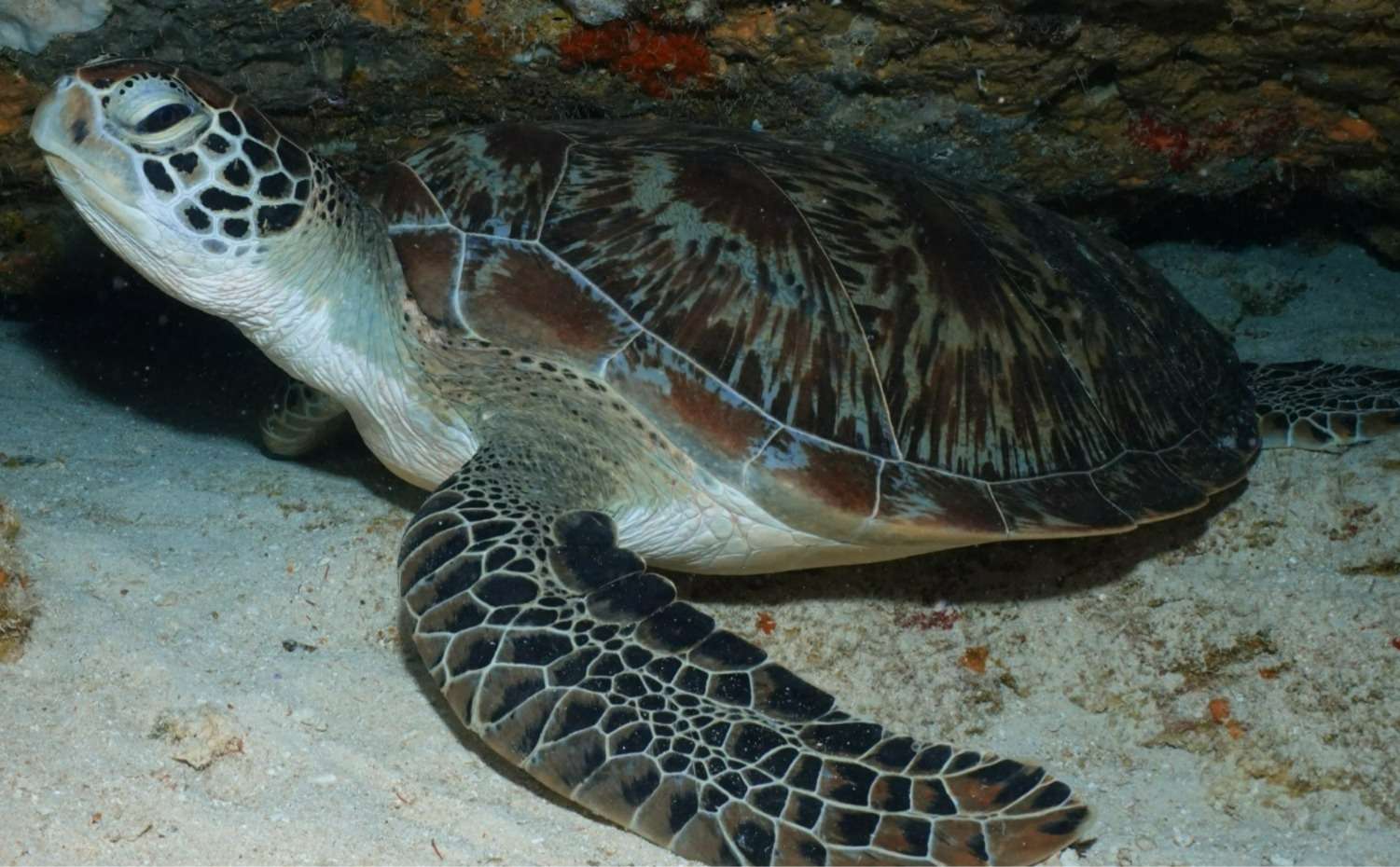
Known for its rich marine biodiversity, the area is also home to one of Indonesia’s largest green turtle (Chelonia mydas) habitats and serves as a migration route for various marine species of significant ecological importance.
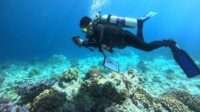
Berau’s coastal and marine ecosystems are characterized by interconnected coral reefs, seagrass beds, mangrove forests, and diverse marine life. Given this ecological richness, sea turtle conservation cannot focus solely on protecting the animals themselves. It must also encompass the preservation of habitats and ecosystems that sustain the survival of various marine species.
Within the Derawan Islands and Surrounding Waters Coastal and Small Islands Conservation Area (KKP3K KDPS) in Berau Regency, East Kalimantan, the long-term survival of sea turtle populations depends heavily on the condition of marine environments as well as the beaches where they lay their eggs.
In this context, coastal communities play a vital role because of their direct interaction with the beaches and surrounding waters that serve as sea turtle habitats.
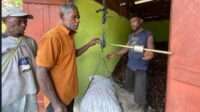
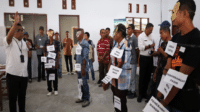
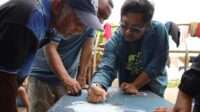
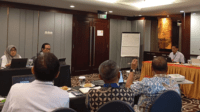
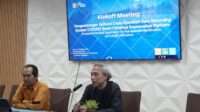
To strengthen community involvement, the Nusantara Nature Conservation Foundation (Yayasan Konservasi Alam Nusantara/YKAN), with support from the Solutions for Marine and Coastal Resilience in the Coral Triangle (SOMACORE) Program, collaborated with the East Kalimantan Provincial Marine and Fisheries Agency (DKP), the Pontianak Marine Management Office, and other relevant stakeholders to conduct sea turtle conservation outreach and introduce the Sea Turtle Conservation Unit (Unit Konservasi Penyu/UKP).
The activities took place from October 27–30, 2026, in Balikukup Village, Teluk Sulaiman Village, and Teluk Sumbang Village.
The UKP is designed not merely as a platform for sea turtle protection, but also as a means of broadening community awareness of the importance of preserving nesting beaches and the surrounding coastal and marine habitats. In this way, sea turtle protection is expected to go hand in hand with efforts to safeguard the ecosystems that support diverse marine life.
The outreach activities marked an initial step toward building community awareness and exploring the establishment of UKPs at the village level. These institutions are expected to provide community groups with a more organized platform to participate in sea turtle management and protection, working alongside government agencies and conservation area managers.
Head of the East Kalimantan Provincial Marine and Fisheries Agency, Irhan Hukmaidy, emphasized that nesting beaches and their surrounding waters are essential components of the sea turtle life cycle. Their protection, therefore, must be incorporated into sustainable coastal management.
“Coastal management needs to take into account critical sea turtle habitats, particularly beaches that serve as nesting grounds. Protection should not be limited to the turtles themselves, but must also include the environments where they reproduce. Therefore, coastal management needs to consider human activities to ensure they do not disrupt the existence and sustainability of sea turtle habitats,” he said.
Meanwhile, Head of the Pontianak Marine Management Office, Syarif Iwan Taruna Alkadrie, explained that establishing UKPs is part of the Ministry of Marine Affairs and Fisheries’ (KKP) efforts to strengthen formal partnerships with communities in managing and protecting protected species, particularly sea turtles.
Through the UKP framework, community groups that have independently initiated sea turtle protection activities can receive government guidance and assistance.
Clear definitions of each group’s functions, roles, and responsibilities are also essential to ensure that conservation activities comply with applicable regulations and prevent misunderstandings that could potentially lead to legal issues.
“Some community members have voluntarily undertaken sea turtle protection activities out of concern for their surrounding environment. Through the UKP, the Ministry of Marine Affairs and Fisheries aims to establish clearer and more formal partnerships, enabling these groups to receive government guidance and assistance while understanding the boundaries and procedures for conducting conservation activities in accordance with regulations. This will allow communities to carry out their sea turtle protection roles more safely and effectively,” Syarif explained.
Head of the Regional Public Service Agency (BLUD) of the Technical Implementation Unit for the Derawan Islands and Surrounding Waters Coastal and Small Islands Conservation Area (UPTD KKP3K KDPS), Didik Riyanto, added that introducing the UKP concept represents an initial step toward strengthening coordination between communities and the stakeholders responsible for managing the conservation area.
The subsequent establishment of these institutions will need to take into account the readiness and commitment of local communities.
“Through this outreach, communities are being introduced to the functions and responsibilities of the UKP. The next step is to strengthen coordination among community groups, village governments, and conservation area managers so that sea turtle monitoring and protection efforts can be implemented effectively,” Didik said.
Protecting Beaches, Safeguarding Sea Turtle Habitats
Sea turtle conservation is directly linked to the environmental quality of beaches where the animals lay their eggs. Waste, particularly plastic pollution, can contaminate coastal environments and threaten marine life.
Uncontrolled human activities can also disturb nesting sites and interfere with sea turtle reproduction.
As part of the activities in Teluk Sumbang Village, stakeholders also organized a beach cleanup. The collected waste was sorted by type to facilitate subsequent handling and management.
Pudi Marthen, representing the community of Teluk Sumbang Village, said that knowledge about sea turtle conservation needs to be continuously expanded so that more residents understand the importance of protecting both the animals and their habitats.
“Beaches and the sea are part of our everyday lives. We need to understand how to protect sea turtles, including what to do when we encounter one coming ashore to lay its eggs. We hope that through this outreach, more residents will become aware and willing to participate in sea turtle protection efforts,” he said.
YKAN Marine Program Director Muhammad Ilman emphasized that successful conservation requires active community participation, supported by adequate knowledge and capacity-building.
The sea turtle conservation outreach and introduction of the UKP are part of a broader effort to establish a strong foundation for community participation in conservation activities at the local level.
“Conservation efforts become stronger when communities have the understanding and opportunities to participate. Through sea turtle conservation outreach and the introduction of the UKP, we aim to encourage community-led initiatives to protect sea turtles, from understanding the threats they face and recognizing their activities to learning how to conduct monitoring and reporting.
This process requires collaboration with government agencies and conservation area managers to ensure that these initiatives can develop sustainably,” he concluded.
By strengthening community participation and establishing UKPs, sea turtle conservation in Berau is expected to grow into a village-based conservation movement.
These efforts will not only help sustain sea turtle populations but also strengthen collective awareness and responsibility for protecting beaches, coastal waters, and biodiversity—natural assets that are essential to the livelihoods and well-being of coastal communities.