
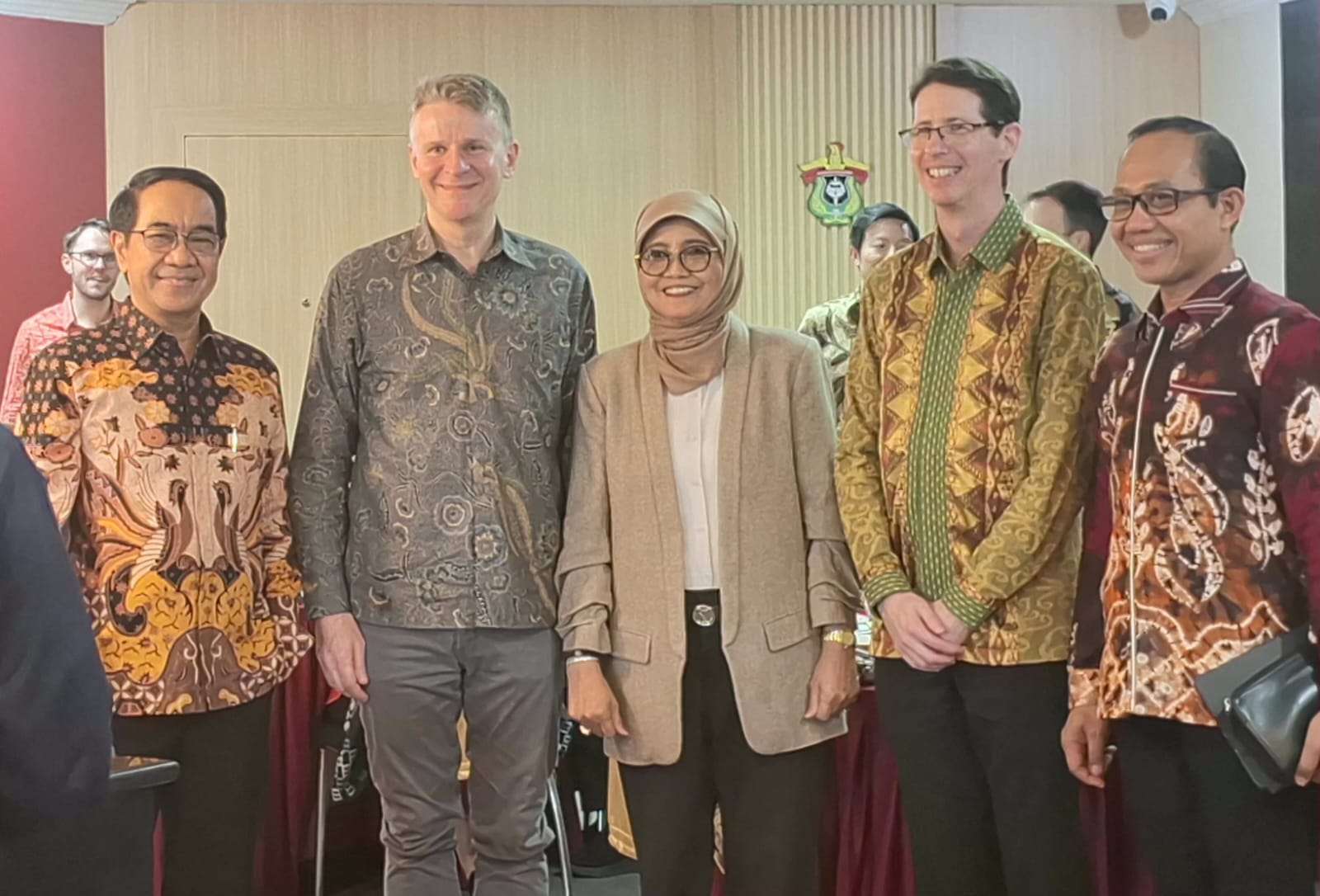
- Hosting PAIR in Makassar symbolises an important shift in Australia’s engagement with Indonesia—from concentrating primarily on Jakarta and Java toward recognising the strategic importance of Eastern Indonesia.
- Journalist Suriani Mappong from Indonesia’s national news agency ANTARA argued that researchers and journalists share a common responsibility: ensuring scientific evidence reaches the public accurately.
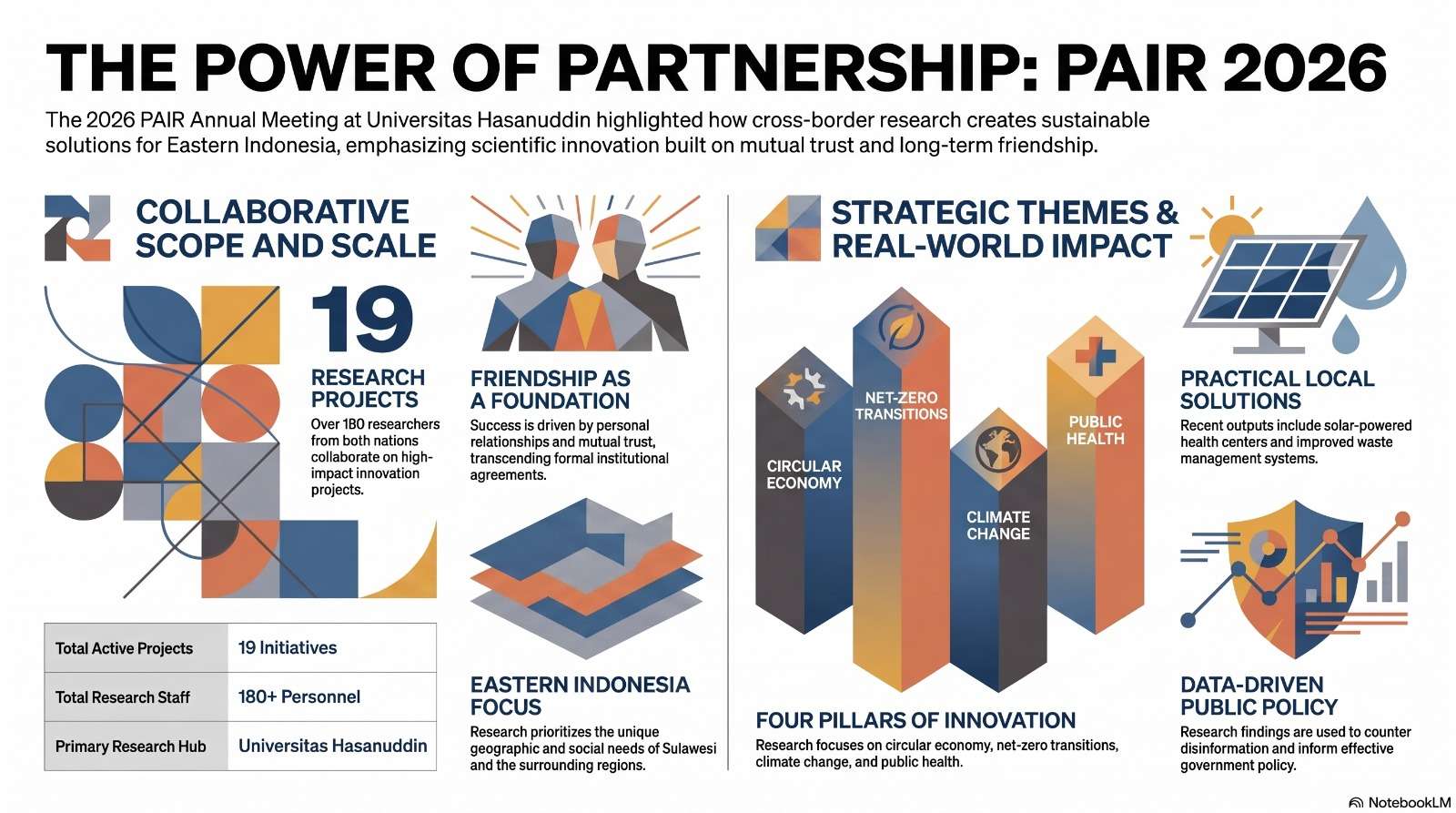
- Batch 1 of the PAIR research program brings together 19 universities from Indonesia and Australia to undertake 14 collaborative research projects.
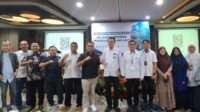
MARITIMEPOSTS.COM – International research conferences often celebrate new technologies, breakthrough discoveries, and scientific metrics. Yet the closing of the Partnership for Australia–Indonesia Research (PAIR) Annual Meeting 2026 at Hasanuddin University (Unhas) in Makassar offered a different narrative.
As delegates from Australia and Indonesia gathered for the final session, the renowned PSM Unhas Choir filled the auditorium with Love You More. The lyrics—“I’ll be waiting for you… here inside my heart”—became an unexpected metaphor for what the week had truly been about.
PAIR is an ambitious initiative bringing together nearly 180 researchers across 19 multidisciplinary projects, addressing climate adaptation, circular economies, public health, energy transitions, and sustainable development.
But by the end of the summit, one message stood above all scientific presentations: the success of international research depends less on technology than on trust.
Here are five lessons that emerged from PAIR 2026.
Friendship Is the Most Valuable Research Infrastructure
Scientific collaboration is often measured through publications, patents, or policy impact.
At PAIR 2026, however, Hasanuddin University Rector Prof. Jamaluddin Jompa proposed another indicator that rarely appears in project evaluations: friendship.
Managing a bilateral research initiative across two governments inevitably means navigating different funding systems, administrative regulations, and institutional cultures. During PAIR’s implementation, the partnership endured changing political leadership, ministerial reshuffles, and repeated bureaucratic restructuring.
According to Prof. Jompa, what kept the programme moving was not merely institutional agreements but personal relationships built over time. When administrative systems become complicated, trust becomes the mechanism that keeps cooperation functioning.
His appeal to continue PAIR beyond its current funding cycle reflected a broader vision: enduring partnerships are sustained by people before they are sustained by institutions.
Resilient Partnerships Can Outlast Political Change
International cooperation often struggles when governments change. PAIR demonstrated a different model. Over its implementation, the programme successfully navigated transitions in political leadership, changes in ministerial portfolios, and evolving policy priorities in both countries without losing momentum.
That resilience offers an important lesson for science diplomacy. Projects deeply embedded within universities, local governments, and communities develop institutional memory that extends beyond electoral cycles.
Rather than depending solely on political agreements, they build long-term relationships capable of surviving changing administrations. In an increasingly uncertain geopolitical environment, this may prove to be one of PAIR’s most important achievements.
Climate Change Is Fundamentally a Human Challenge
One of the strongest themes emerging from researchers throughout the week was that climate change cannot be solved through engineering alone. Technology remains essential. Solar-powered health centres, improved waste management systems, climate monitoring tools, and innovative marine research all featured prominently throughout PAIR.
Yet researchers repeatedly argued that technological innovation succeeds only when communities trust, understand, and ultimately adopt it. Several participants described climate adaptation less as an engineering challenge than as a social process involving governance, food security, public health, infrastructure, and community participation.
Scientific solutions become meaningful only when local people regard them as their own. The conversation reflected a growing international consensus that successful climate adaptation requires not only innovation but also inclusive governance and strong social capital.
Makassar Is More Than a Venue—It Is a Strategic Hub
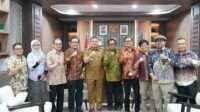
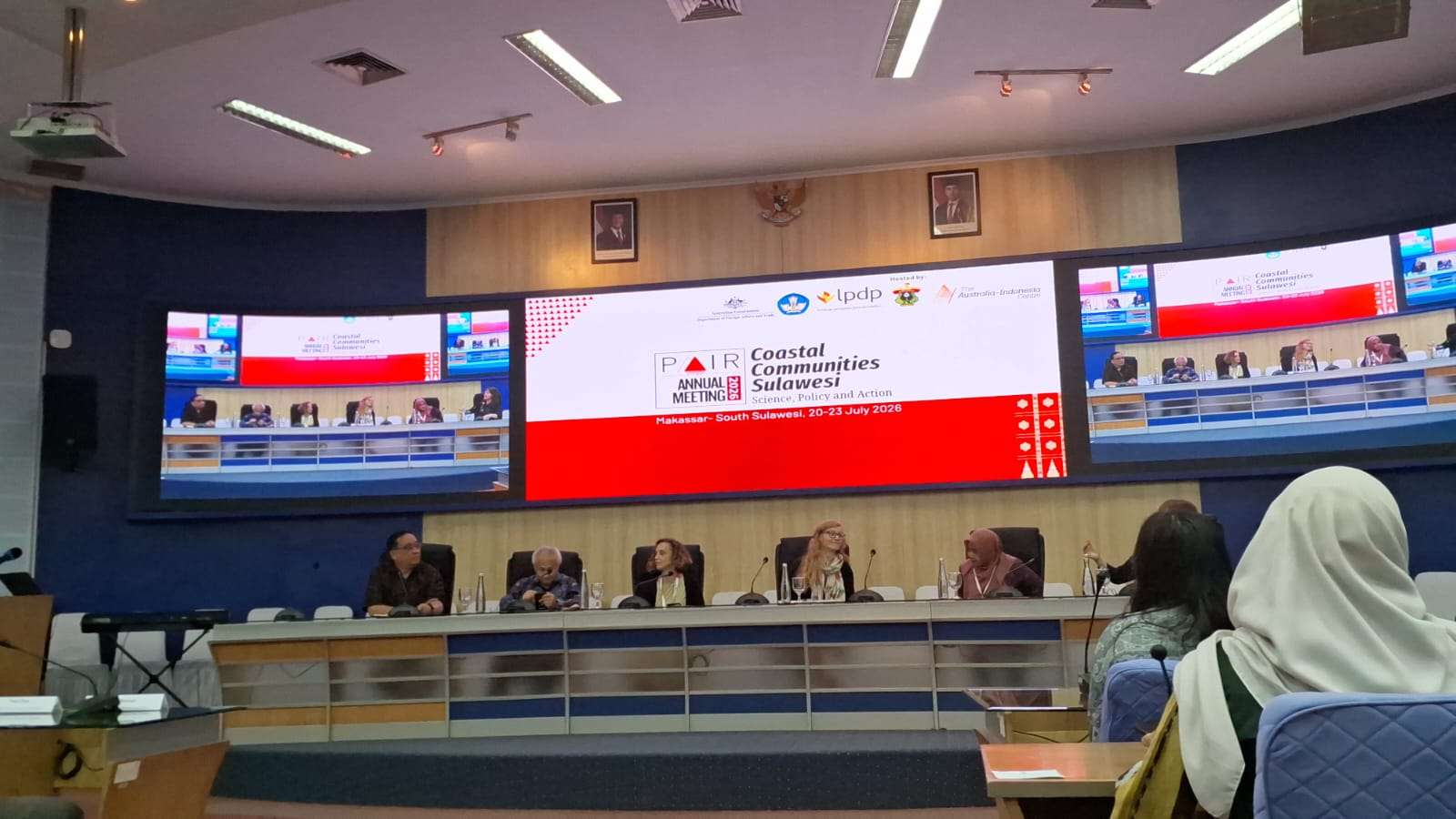
Australian Ambassador Roderick Brazier used the closing ceremony to explain why Makassar occupies a special place within Australia–Indonesia relations. An alumnus of Hasanuddin University, Brazier recalled recommending Makassar as a destination during Prime Minister Anthony Albanese’s first official visit to Indonesia.
His reasons extended well beyond personal history. Makassar represents centuries of interaction between eastern Indonesia and northern Australia, long predating modern diplomatic relations. It also stands at the centre of many of today’s defining development challenges: coastal resilience, marine biodiversity, fisheries, and the blue economy.
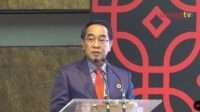
Hosting PAIR in Makassar symbolises an important shift in Australia’s engagement with Indonesia—from concentrating primarily on Jakarta and Java toward recognising the strategic importance of Eastern Indonesia.
Evidence Matters Only When People Trust It
Perhaps the summit’s most practical lesson concerned the relationship between science and society. Researchers working in health policy noted that successful fieldwork depends upon mutual respect between research teams and local communities.
Trust is not merely an ethical principle. It is an operational requirement. Without trust, researchers cannot collect reliable evidence, governments struggle to implement policy, and communities remain sceptical of innovation.
That same principle extends to public communication.
Journalist Suriani Mappong from Indonesia’s national news agency ANTARA argued that researchers and journalists share a common responsibility: ensuring scientific evidence reaches the public accurately.
In an era increasingly shaped by misinformation and algorithm-driven social media, evidence-based journalism becomes an essential extension of scientific research itself. Knowledge creates impact only when it is communicated clearly and trusted widely.
More Than a Farewell
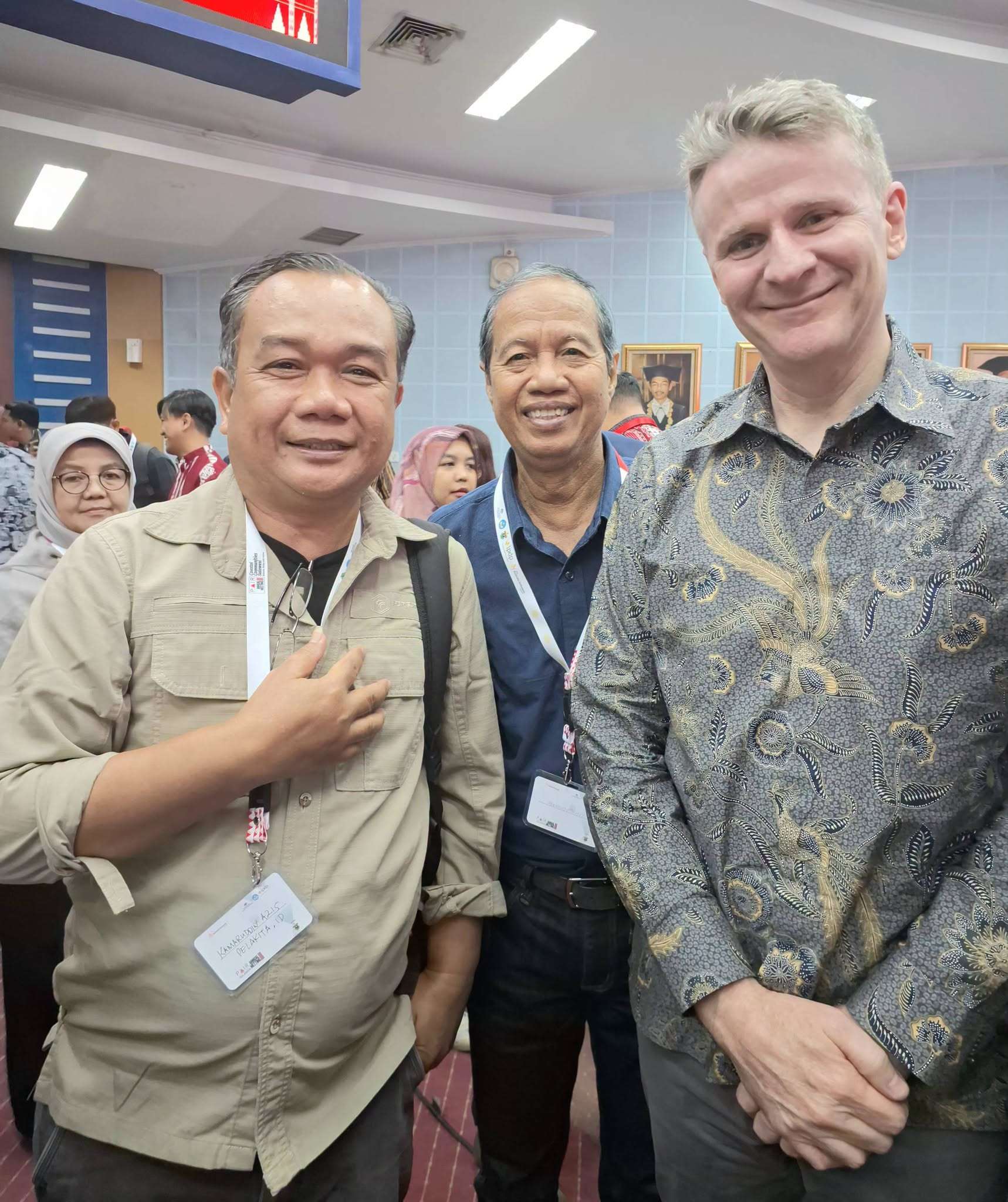
The summit concluded with an emotional tribute to Todd Diaz, Australia’s Consul-General in Makassar, who will soon complete his diplomatic posting. Rather than saying goodbye, Diaz chose the Indonesian expression “Sampai jumpa”—until we meet again.
It was a fitting conclusion.
PAIR 2026 demonstrated that the programme’s most enduring legacy may not be found solely in scientific publications or policy recommendations. Its lasting contribution lies in something less measurable but ultimately more durable: a network of researchers, policymakers, journalists, and communities connected by shared purpose and mutual trust.
In an age of geopolitical uncertainty and accelerating climate risks, PAIR offers a reminder that international cooperation is built not only through agreements between governments, but through relationships between people.
Science may provide the evidence. Trust is what allows that evidence to change the world.
___
Author: Kamaruddin Azis
Gowa, 24 July 2026