
ISKINDO Marine Talk #2: Science as the Compass for Indonesia’s Maritime Transformation
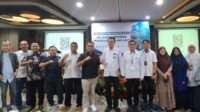
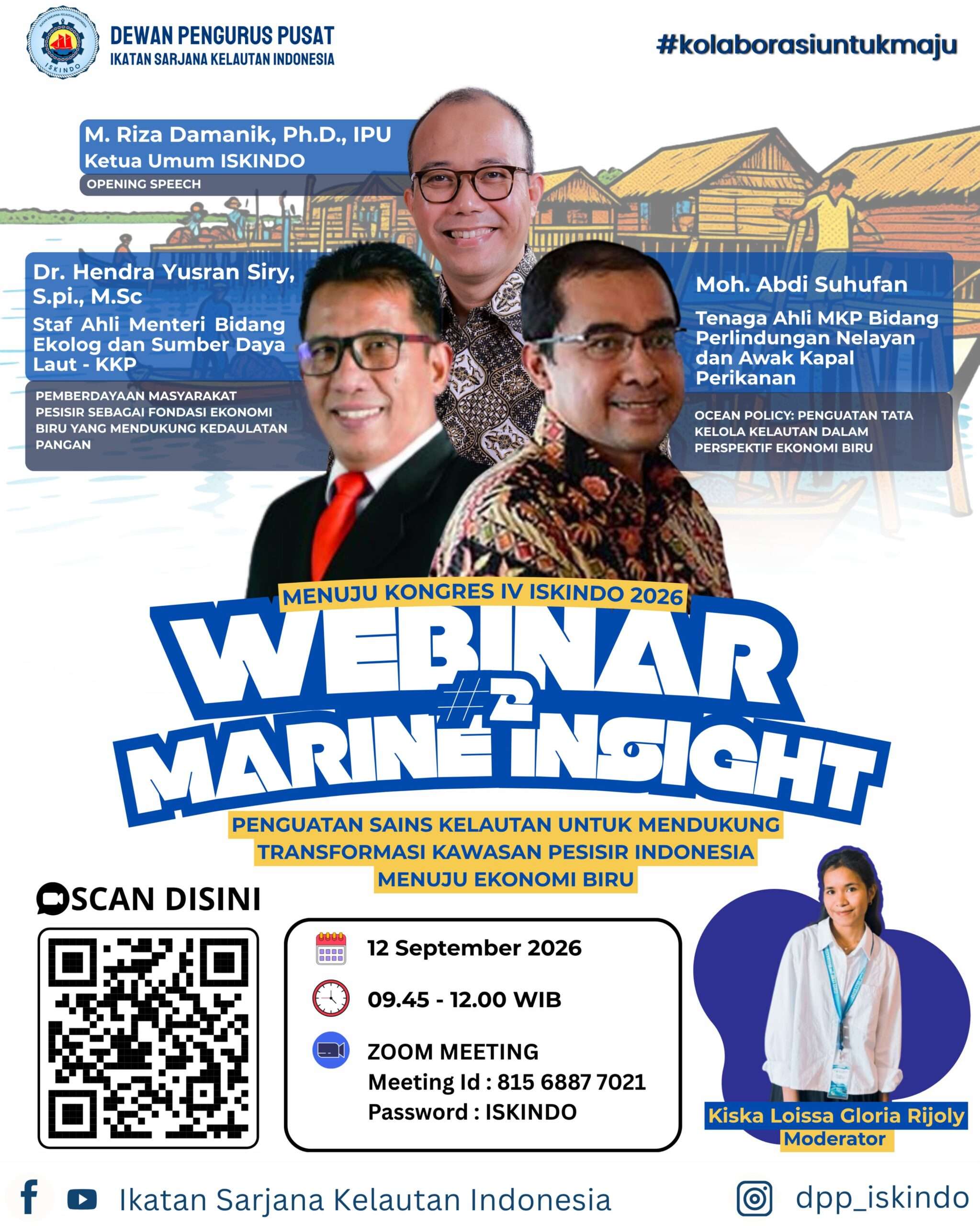
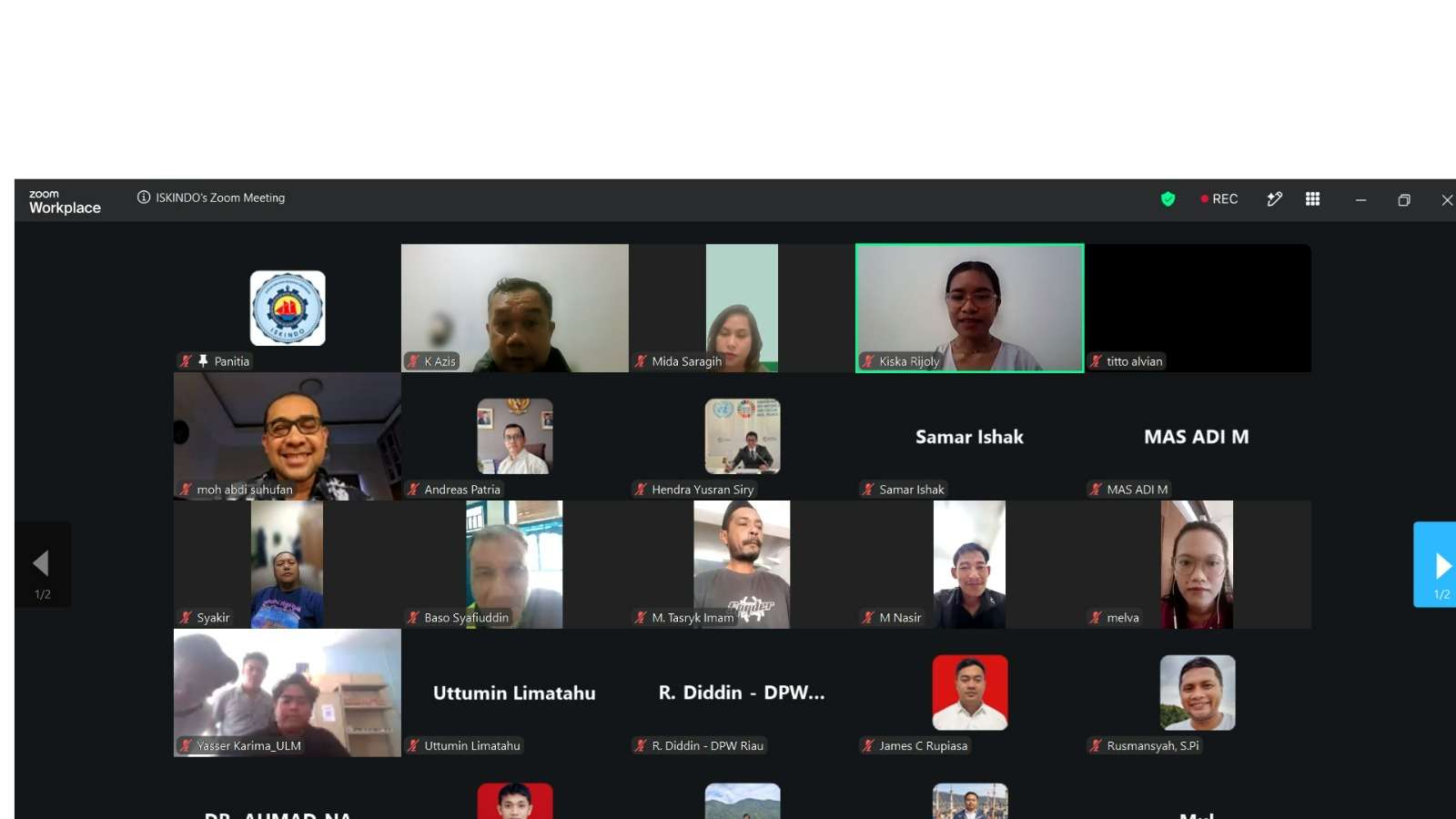
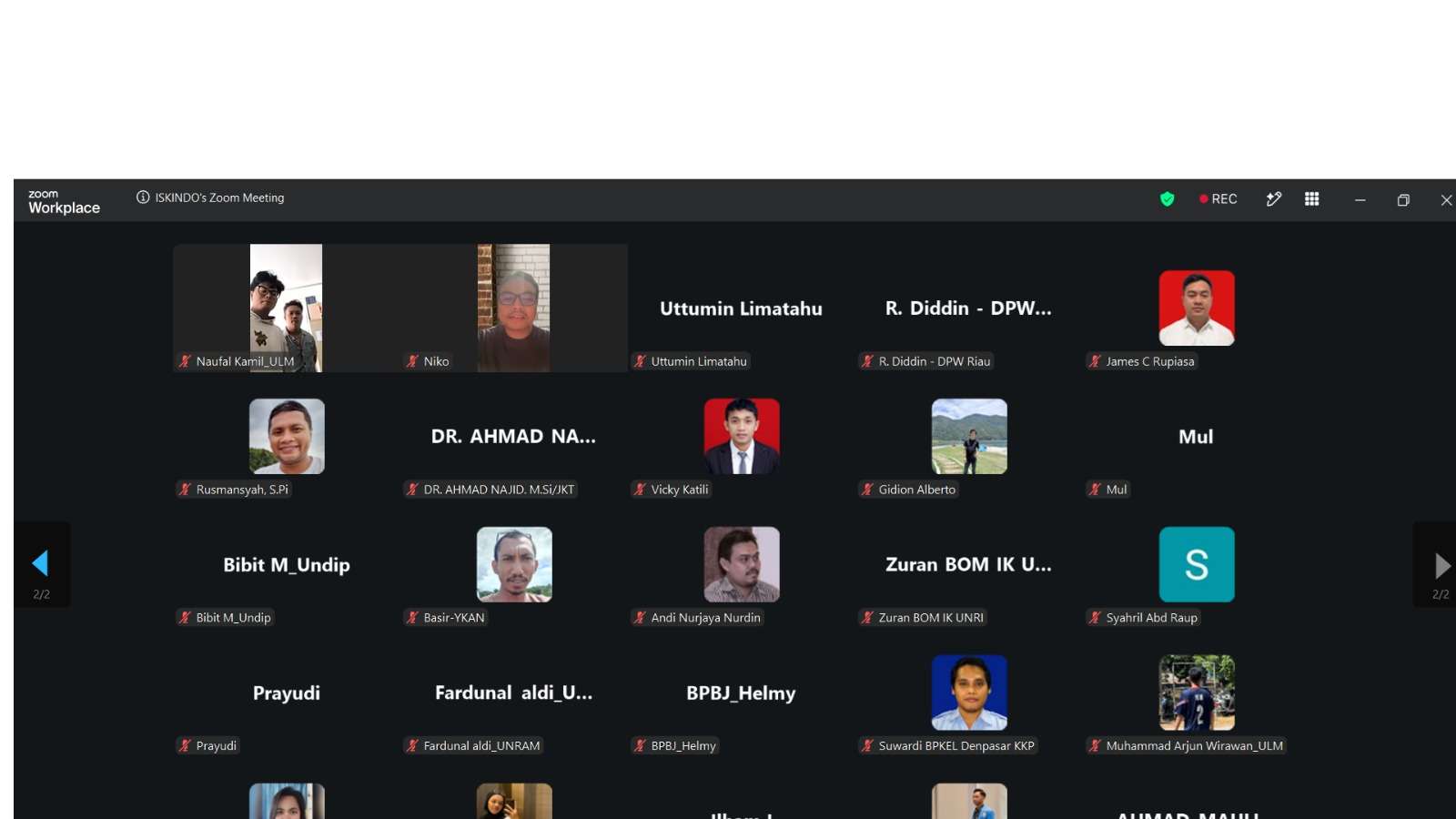
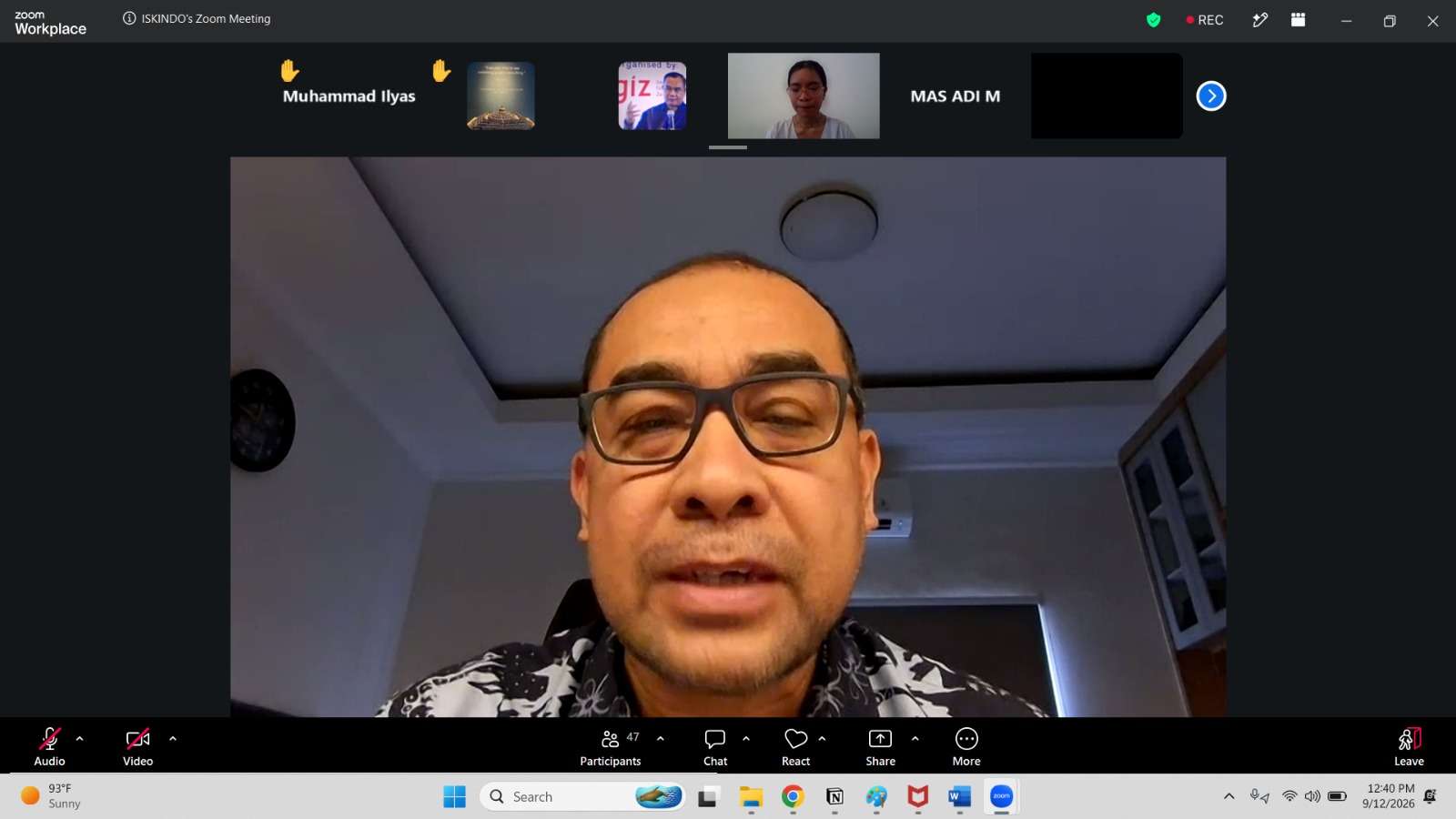
- The Maritime Posts platform attended Marine Talk #2 hosted by the Indonesian Association of Marine Science Graduates (Ikatan Sarjana Kelautan Indonesia/ISKINDO) ahead of its 4th Congress. One particularly engaging moment was listening to the remarks delivered by ISKINDO Chairman Dr. Riza Damanik, KKP Ministerial Expert Staff for Ecology and Marine Resources Dr. Hendra Yusran Siry, and Mohammad Abdi Suhufan, an expert adviser to the Ministry of Marine Affairs and Fisheries (KKP) on the protection of fishers and fishing vessel crews.
- ISKINDO’s Strategic Role — As a professional organization, ISKINDO must serve as a “Guardian of Direction” for national development. ISKINDO’s role is to consolidate the experience of senior professionals with the innovations of younger generations, thereby bridging science and policy. Marine science graduates must ensure that every regulation is grounded in academic courage and data integrity, rather than merely political compromise.
MARITIMEPOSTS.COM — Indonesia’s maritime development now stands at a critical crossroads that will shape the country’s maritime sovereignty in the future. To move beyond the trap of repetitive policies rooted in sectoral approaches and short-term targets, a fundamental epistemological reorientation is needed toward inclusive governance through evidence-based policy.
Positioning science as the “commander” is not merely a technical choice. It is an absolute prerequisite for safeguarding resource sustainability and strengthening Indonesia’s national competitiveness on the global stage.
The concise vision articulated as “Science as the Commander” by Riza Damanik emphasizes that scientific knowledge embedded in marine science graduates must become an instrument of transformation, ensuring that development generates tangible impacts for coastal communities.
The crystallization of experience across generations—combining senior expertise with the innovation of younger professionals—is necessary to address the complexity of managing small islands and border areas. This transformation requires the courage to place investment in knowledge and human capacity above investment in capital alone.
Three Main Pillars of Policy Transformation:
- Evidence-Based Legitimacy: Integrating scientific data from research institutions, universities, and practitioners as the primary reference for regulatory formulation in order to minimize trial-and-error policymaking.
- A Just Maritime Economy: Ensuring access to resources for traditional fishers as key actors, while ensuring that development does not merely pursue numerical growth but also equitable welfare.
- A Structured Development Pathway: Adopting a consistent long-term vision—as demonstrated by successful industrial transformations in developed countries—by establishing sectoral priorities progressively and measurably.
Scientific Foundations for Marine and Fisheries Governance
Data validity is the foundation of policy legitimacy. Without a robust and reliable data system, policies risk becoming repetitive exercises without transformative impact. Indonesia’s marine policy legitimacy must therefore rest upon an ecosystem of data that is open, verifiable, and scientifically accountable.
The ecosystem assessment conducted by Komnas Kajiskan should serve as a primary reference for fish-stock assessment, ensuring that fishing policies remain within the ecological carrying capacity of marine ecosystems.
The principal challenge is to establish data synergies across sectors—government, NGOs, and academia—as a comparative instrument that enriches the country’s knowledge base. Data transparency is crucial for minimizing public controversy surrounding business permits and fishing controls.
Responding to Climate Change
Policy strategies must be adaptive to El Niño events, rising sea temperatures, and environmental disruptions that have increasingly become part of the daily reality of coastal communities.
Development planning can no longer assume static environmental conditions. It requires real-time data monitoring to mitigate economic risks faced by fish farmers and fishers.
Transforming the Policy Approach
The Marine Talk highlighted that fisheries policy transformation represents an important shift from conventional approaches toward increasingly evidence-based policymaking. Under the conventional approach, the success of fisheries development tends to be measured by increases in production volume.
The greater the catch or aquaculture production, the more likely a policy is considered successful. Such an approach places increased output at the center of policymaking, while fish-stock health, ecosystem sustainability, and economic value creation have not always received equal consideration.
By contrast, an evidence-based approach no longer focuses solely on increasing production. It places fish-stock health, ecosystem sustainability, and value creation among the key indicators of policy success.
Production remains necessary, but it must be maintained within ecological limits that allow fish resources to remain available over the long term. The policy question is therefore no longer simply how much fish can be produced, but also how healthy the resource is, who benefits from it, and how much economic value can be generated from that resource.
The transformation also concerns the way decisions are made. Conventional approaches generally operate through top-down and sectoral mechanisms, with decisions largely determined by governments or specific institutions according to their respective mandates.
Evidence-based policymaking requires a more collaborative decision-making process that brings together different scientific disciplines and knowledge systems. Marine and fisheries science needs to engage with sociology, economics, technology, and the knowledge of coastal communities so that policies can understand problems in a more comprehensive manner.
The next transformation concerns data and information. Under conventional approaches, data are often held within closed institutional spaces, scattered across different agencies, and not always easily verified by the public or other stakeholders.
Evidence-based approaches encourage the development of a more open, cross-sectoral, traceable, and accountable data ecosystem. Data are not merely administrative material; they form the foundation for testing assumptions, evaluating policies, and ensuring that public decisions can be held accountable.
The final distinction concerns the capacity of policies to respond to change. Conventional approaches tend to respond to short-term industrial pressures and immediate needs, making policies vulnerable to production targets or short-term economic interests.
Evidence-based approaches, by contrast, require policies to become more adaptive to ecosystem changes, social dynamics, and the climate crisis.
One participant, Andi Nurjaya, emphasized that in the context of an ever-changing ocean, policies cannot simply be formulated once and implemented rigidly. They must continuously be updated based on evidence, learning, and changing conditions on the ground.
Thus, transforming the policy approach is not merely about changing decision-making methods. It represents a change in how the state views resources, knowledge, and fisheries development.
Other participants, including Samar Ishak from North Maluku and Ady Manggeng from Aceh, called for appropriate solutions regarding the use of fish aggregating devices (FADs) by local fishers. The KKP and central government should adopt a selective approach and recognize realities on the ground: not every FAD should necessarily be prohibited.
Implicitly, the transformation involves moving from production-oriented policies toward sustainability and value creation; from sectoral decision-making toward multidisciplinary collaboration; from closed data toward transparent information ecosystems; and from reactive policies toward policies that are adaptive to ecological and climate change.
Economic Transformation: From Production Volume to Value Chains
A transformative blue economy should no longer be measured by how much fish is landed, but by how much value is generated to enhance the dignity and welfare of fishers.
Downstreaming and quality standardization are key to overcoming the limitations of increasingly demanding international markets.
Downstreaming and Global Certification Strategies
The main obstacles faced by small-scale fishers are not limited to production. They also involve compliance with global market requirements concerning legality, traceability, and human-rights standards.
Strategic policies must provide meaningful assistance so that traditional fishing vessels can meet these international requirements, ensuring that local products are no longer exported merely as raw commodities without added value.
Investing in Knowledge as a Prerequisite for Capital
Global developments demonstrate that technological mastery and human-resource capacity must precede large-scale capital investment. Without control over innovation, Indonesia’s marine potential risks becoming an object of exploitation by foreign interests.
As reflected in the experiences shared by ISKINDO Chairman Riza Damanik and Mohammad Abdi, international aquaculture practices can provide valuable models and lessons for Indonesia.
Riza referred to the importance of global benchmarking and local reconstruction. Norway, for example, has developed a successful salmon industry through mastery of offshore aquaculture technology and consistent hatchery development.
China has established global dominance in seaweed commodities through gradual and carefully planned industrial transformation. Vietnam, meanwhile, demonstrates intelligent adaptation to climate change by developing barramundi through offshore technology research in response to changing environmental conditions.
Fish Stock Management: Measured Fisheries Policy
The decline in fish stocks from 12.5 million tonnes to 12.1 million tonnes is an alarm signal for national fisheries governance. The Measured Fisheries Policy (Kebijakan Penangkapan Ikan Terukur/PT) must be implemented as an instrument for controlling pressure on marine resources, rather than merely as an administrative mechanism.
Resource Status Assessment
The primary objective of the Measured Fisheries Policy is to restore fish stocks from red or yellow status toward green status.
Fishing capacity must be controlled precisely so that it does not exceed the natural carrying capacity of ecosystems, while continuously referring to the latest stock assessments conducted by Komnas Kajiskan.
Formalization and the Dilemma of Small-Scale Fishers
There are significant technical challenges for fishing fleets below 30 GT, many of which are traditionally built.
These vessels often struggle to meet legal documentation requirements and international traceability standards. The state must be present by simplifying the formalization process without undermining their livelihoods, while simultaneously integrating them into an ethical global supply chain.

Smart Surveillance Strategy
To combat illegal fishing, conventional patrols should be strengthened through digital technologies, including remote sensing to detect illegal activities in hard-to-reach areas, as has been tested in the Spermonde region.
Satellite data should also be integrated to monitor vessel movements in real time, accompanied by data-driven law enforcement approaches to ensure more efficient use of surveillance budgets.
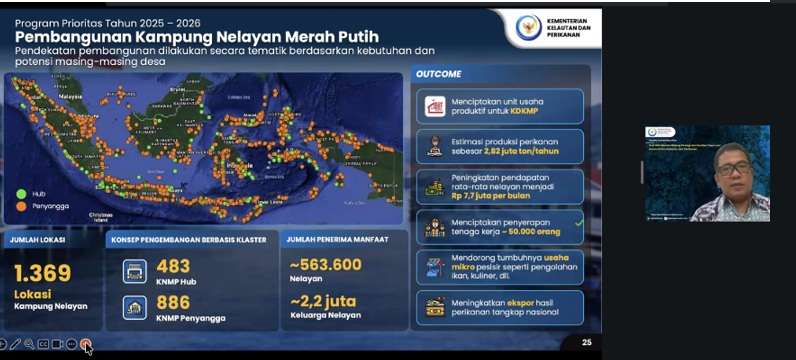
Revitalizing the Red-and-White Fishermen’s Village (KNMP) as an Integrated Ecosystem
The Red-and-White Fishermen’s Village (Kampung Nelayan Merah Putih/KNMP) should be understood as a complex social-economic-ecological ecosystem, rather than merely a physical infrastructure project or the delivery of buildings and facilities.
Integrating Capture Fisheries and Aquaculture
The future of coastal communities lies in diversification. As emphasized by Hendra Yusran Siry, capture fisheries should be integrated with aquaculture.
This creates an economic buffer during lean fishing seasons or periods of high pressure on fish stocks, with fishing villages serving as hubs for the processing and marketing of aquaculture products.
Manageable Infrastructure and Human Capacity
Lessons from Biak demonstrate that infrastructure such as ice plants and cold storage facilities must be matched to local needs and remain manageable. Facilities that are too large, without sufficient raw materials or energy supplies, can become operational burdens.
Renewable-energy technologies such as solar power also require investment in human capacity. Technology may ultimately become idle infrastructure if communities are not trained even in basic operational procedures.
Essential Components of a “Self-Reliant Fishermen’s Village”:
- Integrated Energy Access: Electricity availability is an absolute prerequisite; a facility should not be considered complete until electricity is available on site.
- Measured Cold Chain: Cold-storage capacity should correspond to the community’s daily fish landing volume.
- Local Managerial Capacity: A trained local manager should serve as the operational, management, and marketing engine.
- Basic Infrastructure: Clean water, distribution roads, and functioning marketing facilities must operate as an integrated ecosystem.
- Economic Institutions: Strong cooperatives are needed to manage transactions and generate added value from marine products.
Governance Architecture: Central-Local Synergy and a Cross-Sector Roadmap
Reorganizing authority relations in the post-decentralization era is essential to ensure that central government policies remain contextualized to realities in the regions.
The problem of administrative reach in service delivery and enforcement must be addressed to prevent gaps in authority at the local level.
A Joint Cross-Ministerial Roadmap
KNMP extends beyond the fisheries sector, encompassing education, settlements, and trade. A clear roadmap is required to prevent overlapping responsibilities:
- Central Government: Establish national regulatory standards, manage the Measured Fisheries Policy, and facilitate access to global markets.
- Local Government: Focus on field implementation, support for small-scale fishers, and coastal zoning based on local knowledge and wisdom.
- Private Sector & Development Partners: Serve as enablers through technological investment, downstreaming innovation, and participatory research.
ISKINDO’s Strategic Role
As a professional organization, ISKINDO must serve as a “Guardian of Direction” for national development. ISKINDO’s task is to consolidate the experience of senior professionals with the innovation of younger generations, thereby bridging science and policy.
Marine science graduates must ensure that every regulation is grounded in academic courage and data integrity, rather than merely political compromise.
Reorienting Indicators of Marine Development Success
Readers, as a synthesis, PELAKITA.ID notes that the Marine Talk made one point particularly clear: Indonesia’s maritime development can no longer be driven solely by traditional output figures.
The ocean is not merely an extractive production space. It is a living space and a source of national dignity that must be managed through science and justice.
A reorientation of success indicators is therefore necessary to ensure that every policy actually works at the smallest units of coastal society.
Future indicators of maritime development must go beyond production volume and address tangible outcome metrics: increased real household incomes among fishing families, stronger local economic institutions, improved fish-stock health, and better access to education for the children of fishers.
This is the real meaning of “Moving Fishers Up the Ladder”—a transformation in which young people in coastal communities can look toward a brighter and more competitive future.
By making science the commander, Indonesia will have the confidence and courage to manage its seas with dignity. We are not merely safeguarding resources for today. We are building the foundation for a just maritime future for generations to come.
Ultimately, the transformation of the blue economy will only have meaning if it can deliver prosperity that is felt in every household across Indonesia’s coastal communities.
This is where ISKINDO must take a firm strategic stance and build an anticipatory movement for the future.
___
Author K. Azis
Gowa, 12 September 2026