
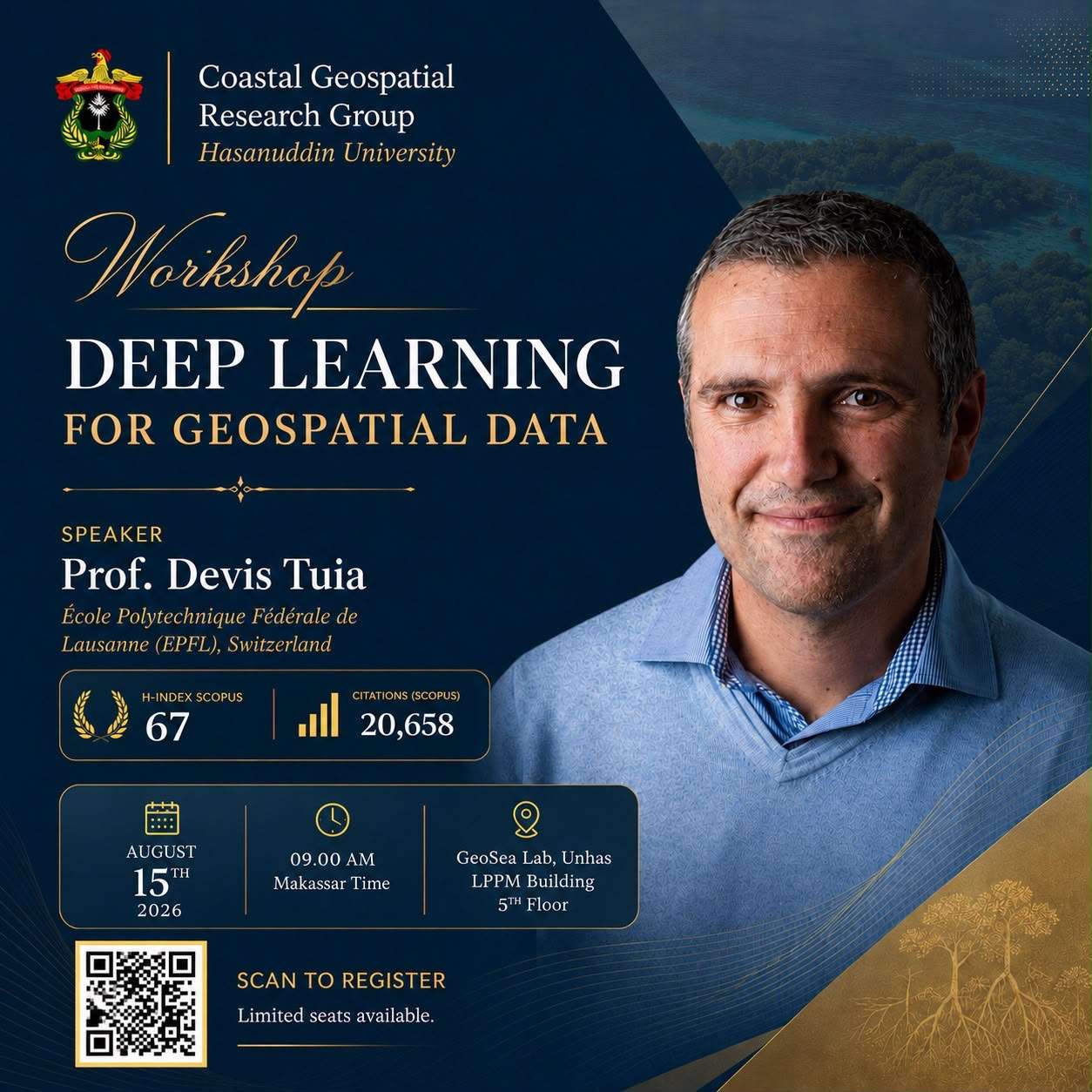
MARITIMEPOSTS.COM – MAKASSAR – Hasanuddin University (Unhas), through its Coastal Geospatial Research Group (CGRG), will host an international workshop on “Deep Learning for Geospatial Data” featuring renowned artificial intelligence and remote sensing expert Prof. Devis Tuia from the École Polytechnique Fédérale de Lausanne (EPFL), Switzerland.
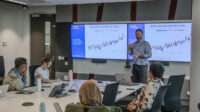
The workshop is scheduled for August 15, 2026 at LPPM Unhas Building, bringing together researchers, lecturers, students, and geospatial practitioners to explore the latest applications of artificial intelligence in environmental monitoring and spatial data analysis.
Prof. Tuia is internationally recognized for his pioneering work in Geospatial Artificial Intelligence (GeoAI), machine learning, and remote sensing. According to Scopus, he has an H-Index of 67 and has received more than 20,658 citations, making him one of the world’s leading researchers in AI-driven geospatial science.
The workshop comes at a time when deep learning is rapidly transforming the way scientists analyze satellite imagery, drone surveys, and aerial photographs.
Instead of relying on labor-intensive manual interpretation, AI-powered models can automatically detect land cover changes, monitor ecosystems, identify environmental threats, and support evidence-based decision-making for natural resource management.
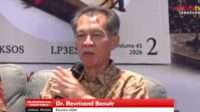
Prof. Nurjannah Nurdin, Professor of Remote Sensing and Geospatial Science at Hasanuddin University and a member of the Coastal Geospatial Research Group, said deep learning has significantly improved the accuracy and efficiency of geospatial analysis.
“By utilizing satellite imagery, aerial photography, and drone data, this technology is able to increase the accuracy of land cover mapping, monitor environmental changes, detect objects automatically, and support data-driven decision-making for natural resource management,” she said.
Professor Devis Tuai is a research collaborator of Professor Nurjannah Nurdin. The primary purpose of his visit is to work together on the preparation of a joint research proposal and to undertake preliminary research activities as the initial stage of our collaborative research.
The workshop will highlight practical applications of deep learning across multiple sectors, including coastal and marine ecosystem monitoring, agriculture, forestry, fisheries, disaster mitigation, and environmental conservation.
Participants are expected to gain insights into the latest advances in AI-based spatial analysis and explore how these technologies can be integrated into research and policy development.
The event also forms part of a broader international collaboration between Hasanuddin University and EPFL aimed at strengthening Indonesia’s capacity in geospatial research and artificial intelligence.
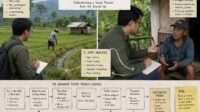
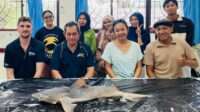
Beyond the workshop, the collaboration includes an ongoing pre-research initiative involving three-dimensional mapping of coastal ecosystems in the Spermonde Archipelago and Wakatobi. The field activities, running from late July through mid-August, are designed to generate detailed 3D geospatial datasets that will support future research on coastal resilience, ecosystem conservation, and sustainable resource management.
According to the organizing committee, the partnership reflects CGRG’s commitment to expanding international research networks while enhancing the capabilities of Indonesian scientists in applying advanced AI technologies to address environmental challenges and contribute to the achievement of the Sustainable Development Goals (SDGs).
With limited seats available, the workshop is expected to attract researchers and practitioners interested in advancing geospatial science through artificial intelligence and strengthening global scientific collaboration.