
Boyd noted that PAIR is not AIC’s first research initiative in Sulawesi. The Centre previously implemented a similar program between 2019 and 2023, and the experience gained from that phase has helped shape and strengthen the current program.
MAKASSAR — For the Australia-Indonesia Centre (AIC), the success of research is not measured by the number of academic publications it produces. More importantly, it is defined by how effectively the research addresses community needs, informs public policy, and delivers tangible benefits to society.
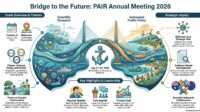
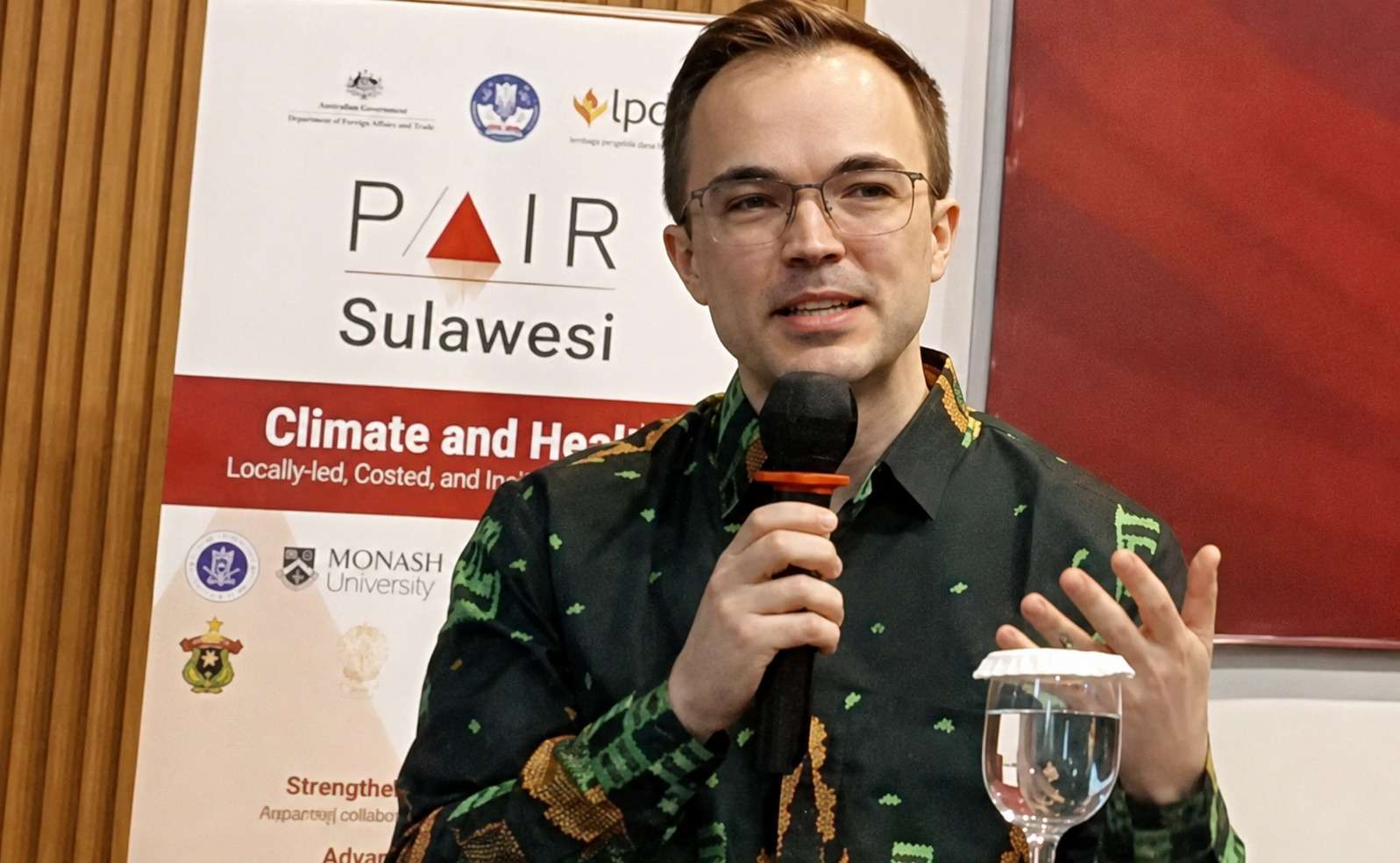
This message was emphasized by Boyd Whalan, Director of the Australia-Indonesia Centre (AIC), in response to journalists’ questions about the objectives and impact of the Partnership for Australia-Indonesia Research (PAIR) during the PAIR Annual Meeting 2026 in Makassar.
According to Boyd, AIC occupies a unique position among international organizations. Since 2014, the consortium of Australian and Indonesian universities has maintained a long-term presence in Indonesia, including a permanent office and dedicated team based in Makassar.
He explained that this presence is more than a symbolic commitment—it provides the foundation needed to ensure that research outcomes extend beyond academic papers and generate meaningful, lasting impact.
“We are here for the long term. Very few international organizations can claim to have a permanent office and a local team in Makassar. That puts us in a strong position to ensure that our research genuinely delivers impact,” he said.
Boyd noted that PAIR is not AIC’s first research initiative in Sulawesi. The Centre previously implemented a similar program between 2019 and 2023, and the experience gained from that phase has helped shape and strengthen the current program.
He reaffirmed AIC’s commitment to building enduring partnerships with researchers, government agencies, civil society organizations, local communities, and industry to ensure that research remains relevant, sustainable, and readily applicable.
One of PAIR’s defining strengths, he explained, is its place-based approach, with all research projects designed around the unique characteristics and priorities of Sulawesi. By grounding research in local realities, the program aims to develop solutions that directly address the challenges faced by communities across the island.
Another key feature is PAIR’s demand-driven model. Every research project is required to involve an impact partner from the outset. These partners contribute to defining the research questions and continue providing feedback throughout the research process to help ensure that the findings can be effectively implemented.
“This annual meeting provides an opportunity for impact partners to help shape the direction of the research, ensuring that the outcomes are genuinely useful and applicable,” Boyd explained.
He also revealed that feedback and evaluations from both the Indonesian and Australian governments have played an important role in refining PAIR Batch 2.
One of the most significant improvements is the broader participation of universities. While Batch 1 involved 19 universities from both countries, Batch 2 is expected to include even more institutions, particularly local universities from every province in Sulawesi.
“We have always ensured that at least one local university from each province in Sulawesi is involved. In Batch 2, local representation will be even stronger, and that is something we are very excited about,” he said.
The selection process for Batch 2 has also been strengthened through a more competitive and open mechanism, incorporating recommendations from Indonesia’s Endowment Fund for Education (LPDP) and the Ministry of Higher Education, Science, and Technology (Kemendiktisaintek).
Boyd expressed hope that the announcement of the successful Batch 2 projects would be made soon, allowing new collaborations to begin without delay.
More than an academic conference, Boyd described the PAIR Annual Meeting 2026 as a working meeting that brings together dozens of universities with the people and institutions that will ultimately use the research findings.
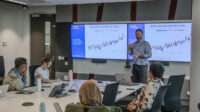
Over the course of the three-day event, researchers engage directly with national and local governments, industry representatives, private companies, civil society organizations, and local communities—the very stakeholders expected to benefit from and apply the research outcomes.
Through this collaborative approach, PAIR seeks to bridge the gap between laboratories and policymaking, and between universities and society.
For AIC, the most valuable research is not simply research that generates new knowledge, but research that improves people’s lives and creates lasting positive change for communities.
___
Written by Kamaruddin Azis
Founder, Pelakita.ID