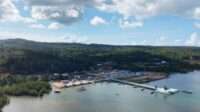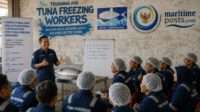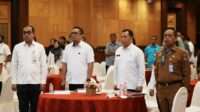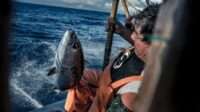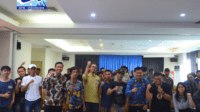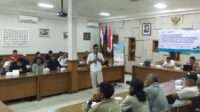

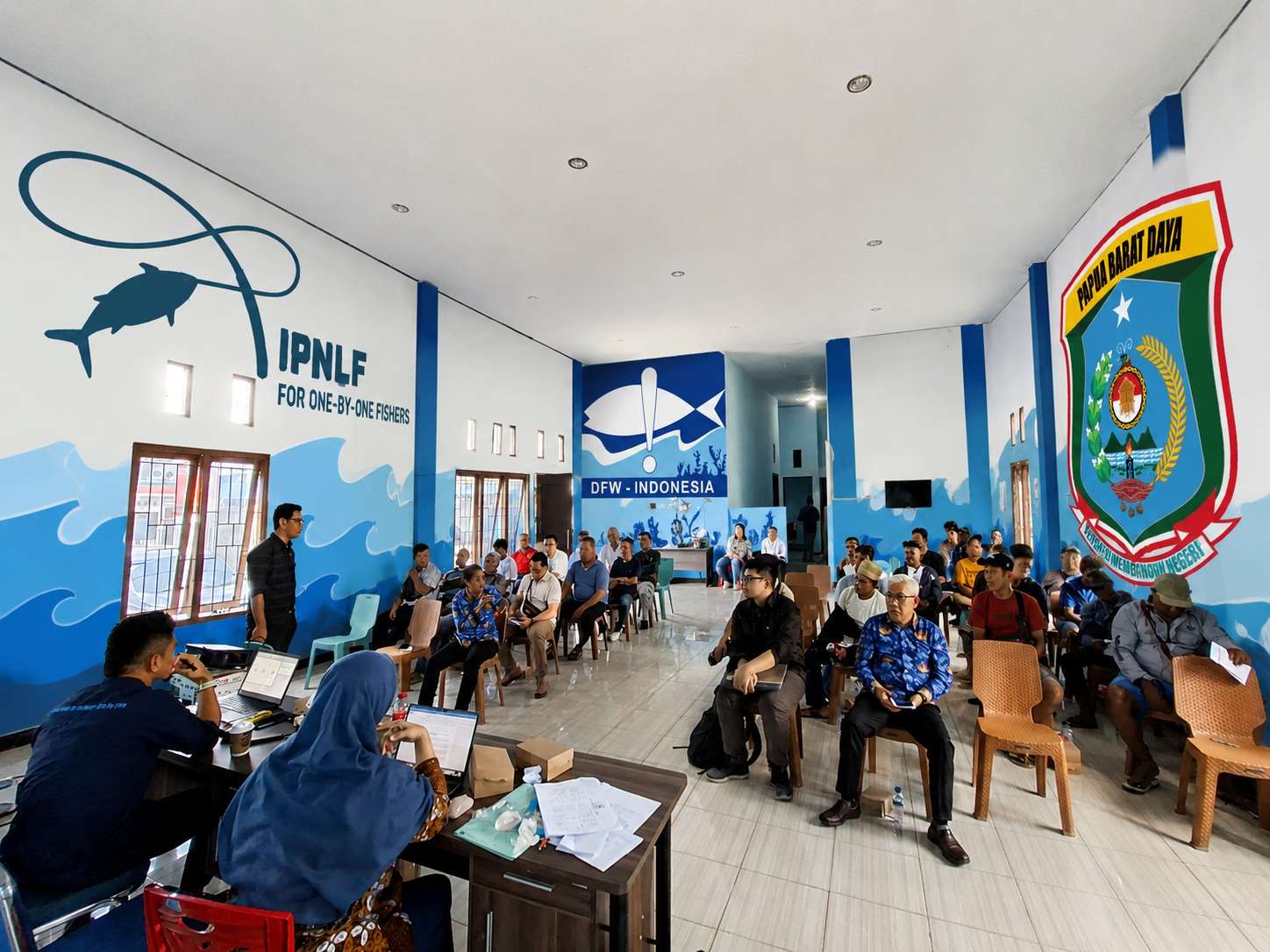
MARITIMEPOSTS.COM – SORONG, Southwest Papua, Indonesia, July 23, 2026 – The International Pole & Line Foundation (IPNLF), in collaboration with DFW Indonesia, conducted an awareness training program for fishers and fishing vessel crew members at the Klademak Fish Landing Base (PPI Klademak) in Sorong, Southwest Papua.
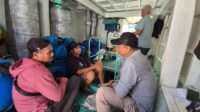
The training brought together approximately 50 participants, including fishers, crew members working on pole-and-line and handline fishing vessels, as well as vessel owners.
The program aimed to improve participants’ understanding of labor rights, occupational safety and health (OSH), fair wages, and grievance mechanisms as part of broader efforts to strengthen the protection of fisheries workers and promote responsible fishing practices.
The event was officially opened by Absalom Solossa, Head of the Southwest Papua Provincial Marine and Fisheries Office.
In his opening remarks, Solossa emphasized the strategic role of fishers and fishing vessel crew members in maintaining sustainable fisheries resources, supporting food security, and contributing to regional and national economic growth.
“Fishers and fishing vessel crew members are the frontline of Indonesia’s fisheries sector. Therefore, they must be equipped with knowledge on occupational safety, workers’ rights, and adequate protection so they can work safely, productively, and with dignity,” Solossa said.
He added that strengthening the capacity of fishers should go hand in hand with improving protection systems for fishers and fishing vessel crew members. According to him, understanding labor rights, workplace safety, and fisheries regulations is essential for ensuring safe, responsible, and legally compliant fishing operations.
During the opening session, Nilma Wati of the International Pole & Line Foundation (IPNLF) explained that the training forms part of the organization’s ongoing efforts to raise awareness among fisheries workers about labor rights, occupational safety and health, and the importance of implementing fair wage standards throughout the fisheries sector.
The program also introduced participants to grievance mechanisms, enabling fishers and fishing vessel crew members to understand reporting procedures, available protection measures, and follow-up processes in cases involving labor rights violations or workplace abuse.
“We want fisheries workers to understand their rights, know where and how to report labor violations, and recognize the occupational risks they face. Protecting workers is a fundamental pillar of sustainable fisheries,” Nilma Wati said.
Also contributing to the session, Herman from the Indonesian Pole & Line and Handline Fisheries Association (AP2HI) highlighted that social responsibility has become an increasingly important benchmark in the global seafood trade.
“Today, international markets assess not only the quality of the fish but also how it is caught. Protecting fishing vessel crews, ensuring decent working conditions, and respecting human rights have become essential factors in enhancing the competitiveness of Indonesian seafood products,” Herman explained.
According to Herman, social responsibility is now an integral component of Fisheries Improvement Projects (FIPs), alongside environmental sustainability and fisheries governance.
He emphasized that stronger collaboration among government agencies, seafood businesses, fisheries associations, civil society organizations, and fisheries workers is essential to ensure Indonesian seafood meets international sustainability standards while remaining competitive in global markets.
The technical session was delivered by Laode Hardiani of DFW Indonesia, who presented materials on identifying and preventing occupational hazards in the fisheries sector.
His presentation covered common workplace risks faced by fishers and fishing vessel crews, accident prevention measures, workers’ rights, and an introduction to the National Fisher Center (NFC) as a platform providing information, consultation, grievance handling, and assistance for fishers and fisheries workers.
“Through this training, we hope fishers and fishing vessel crew members gain a better understanding of occupational risks, become more aware of their rights, and feel confident using the National Fisher Center as a grievance and support mechanism whenever they encounter workplace problems,” Laode Hardiani said.
Participants actively engaged throughout the discussion session, raising questions on topics such as the minimum age requirements for employment as fishing vessel crew, fishing permit regulations (SIPI), and the importance of comprehensive protection for fishers and crew members, including occupational safety, social security, and mechanisms for addressing labor rights violations.
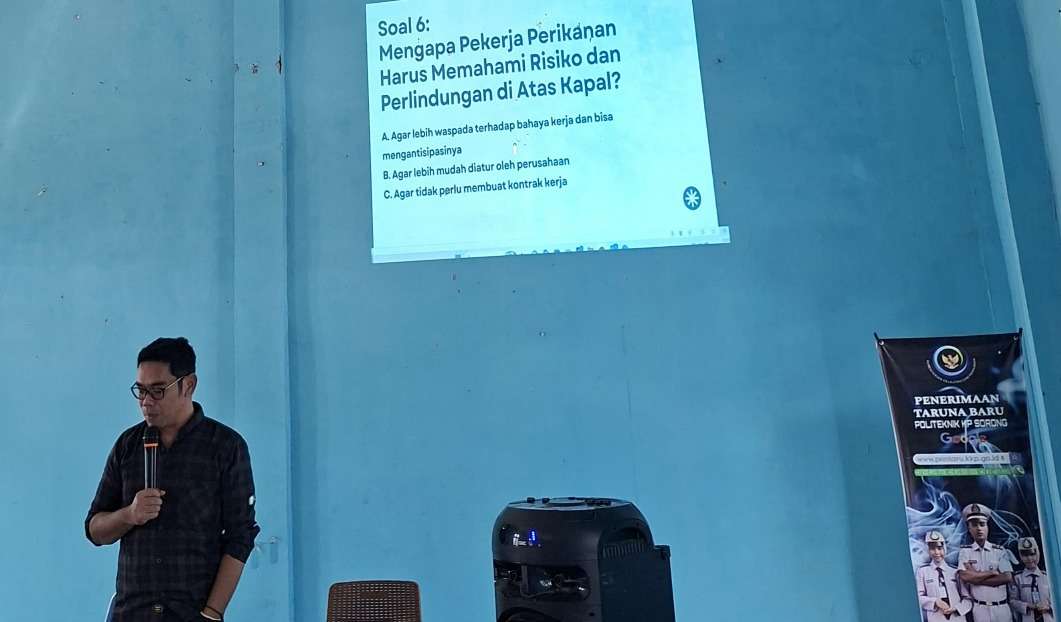
The discussion also served as a platform for participants to exchange experiences and strengthen their understanding of workplace risks and practical prevention measures.
Through this initiative, IPNLF and DFW Indonesia hope that fishers, fishing vessel crew members, and vessel owners will gain a stronger understanding of labor rights, occupational safety and health, fair recruitment standards, and accessible grievance mechanisms.
The organizations believe that continued collaboration among government institutions, the private sector, fisheries associations, and civil society organizations will further strengthen protection for fisheries workers while enhancing the competitiveness of Indonesian seafood products through responsible fishing practices that respect human rights, eliminate exploitation, and contribute to sustainable fisheries.
___
The editorial team