
Five Key Findings from Risk Awareness Training at Muara Baru
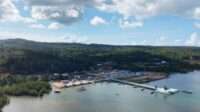
MARITIMEPOSTS.COM – JAKARTA — Indonesia’s Muara Baru Fishery Port is one of the country’s busiest seafood hubs, handling thousands of tons of fish destined for domestic and international markets each year.
Behind its economic importance, however, fishing vessel crews (Awak Kapal Perikanan/AKP) continue to face significant occupational hazards, labor rights challenges, and limited access to social protection.
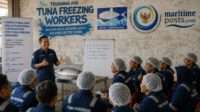
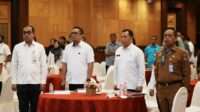
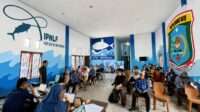
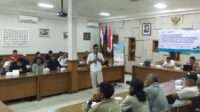
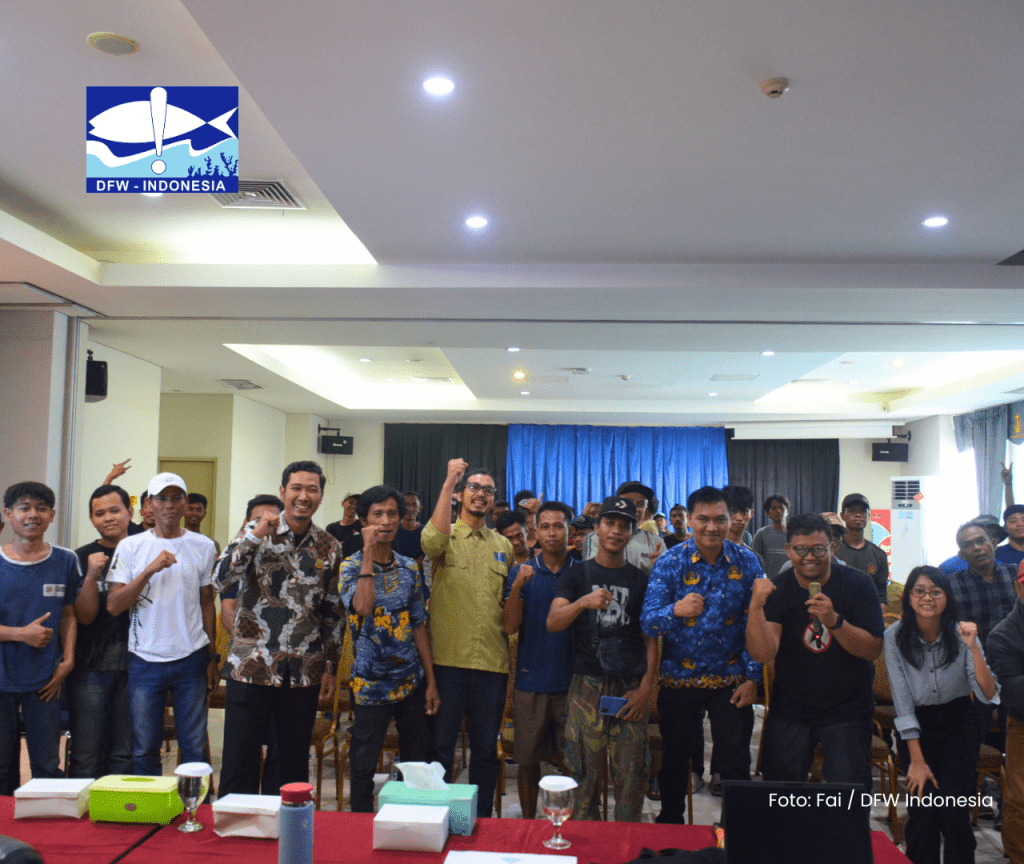
These issues were highlighted during a recent Risk Awareness Training organized by Destructive Fishing Watch (DFW) Indonesia, which brought together 100 fishing workers representing ten fishing companies at the Nizam Zachman Oceanic Fishing Port (PPSNZJ), Jakarta.
The discussions revealed five major realities shaping the lives of Indonesia’s fishing crews.
1. Fishing Remains One of Indonesia’s Most Dangerous Occupations
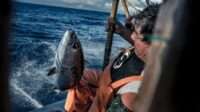
Fishing is widely recognized as one of the world’s most hazardous professions. Workers routinely operate in what maritime experts describe as a “3D” environment—Dirty, Dangerous, and Difficult.
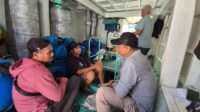
Participants described long working hours, physically demanding tasks, hazardous weather conditions, and extended periods at sea, often with limited communication and restricted access to assistance.
These conditions increase workers’ vulnerability to occupational accidents as well as labor rights violations.
According to DFW Indonesia, strengthening workers’ understanding of their rights before departure is essential to reducing those risks.
2. Hundreds of Workers Have Reported Rights Violations
Data presented by the National Fishers Center (NFC) Indonesia indicate that labor abuses remain a significant concern within Indonesia’s fishing sector.
As of December 2024, the organization had documented 112 complaints involving 316 fishing crew members alleging various forms of human rights and labor violations.
Reported cases include:
- excessive working hours;
- wages below agreed standards;
- lack of occupational insurance and social protection;
- physical abuse and intimidation.
NFC Indonesia believes many incidents remain unreported because crews often spend months at sea and have limited opportunities to seek assistance while working aboard fishing vessels.
3. Authorities Seek to Build Trust with Fishing Crews
Another issue discussed during the training was the relationship between fishing crews and port authorities.
Abdurrahman Robbani, Head of the Harbormaster Task Force at PPS Nizam Zachman, acknowledged that many crew members appear reluctant to approach government officers.
“We often see fishing crews avoiding officers when approached. Our intention is to help them before departure, during their voyage, and after returning to port. We hope crews will not hesitate to communicate with us,” he said.
DFW Indonesia Program Director Imam Trihatmadja emphasized that maintaining communication with port authorities is an important part of worker protection.
He reminded participants that once a vessel leaves port, crews largely depend on themselves and their preparedness to address emergencies at sea.
4. Climate Change and Overfishing Are Increasing Occupational Risks
Environmental pressures are also reshaping working conditions for Indonesia’s fishing crews.
According to Indonesia’s Ministry of Marine Affairs and Fisheries, several fisheries management areas in the Java Sea have experienced heavy fishing pressure, requiring vessels to travel farther in search of commercially valuable fish stocks.
DFW Indonesia Human Rights Officer Nabila Tauhida said climate change has compounded these challenges by altering marine conditions and extending fishing voyages.
Longer trips often mean longer contracts, increased fatigue, higher operational costs, and greater exposure to occupational hazards. They may also reduce opportunities for workers to return home or report labor-related grievances.
5. Social Security Is Considered Essential Protection
Officials at PPS Nizam Zachman also stressed the importance of ensuring all fishing crews are enrolled in Indonesia’s national employment insurance scheme (BPJS Ketenagakerjaan) before departure.
Haidar, a harbormaster official, explained that inspections are conducted before vessels leave port to verify crew documentation, including employment insurance registration.
For workers operating in one of Indonesia’s highest-risk industries, access to social security provides financial protection in cases of workplace accidents, disability, or death while also helping employers meet their legal obligations.
Looking Beyond the Catch
The discussions at the DFW Indonesia training underscored that improving Indonesia’s fisheries is not only about sustainable fish stocks or export performance. Ensuring decent working conditions, protecting labor rights, and expanding access to social protection are equally important components of a sustainable seafood industry.
For many fishing crews, greater awareness of their rights—and stronger cooperation among workers, employers, civil society organizations, and government agencies—may help reduce the risks they face both at sea and ashore. Platforms such as the National Fishers Center also provide workers with channels to report grievances and seek assistance, contributing to broader efforts to improve accountability within Indonesia’s fisheries sector.