
MARITIMEPOSTS.COM — Mimika, September 12, 2026 — Efforts to optimize the potential of local food resources in Central Papua are being further strengthened through capacity building for facilitators working with the Plant, Harvest, Process, and Sell (Tanam, Petik, Olah, dan Jual/TPOJ) groups.
The Department of Nutrition at the Faculty of Public Health (FKM), Hasanuddin University (Unhas), is contributing to these efforts through a Training of Trainers (ToT) organized by the Central Papua Provincial Office of Women’s Empowerment, Child Protection, and Family Planning.
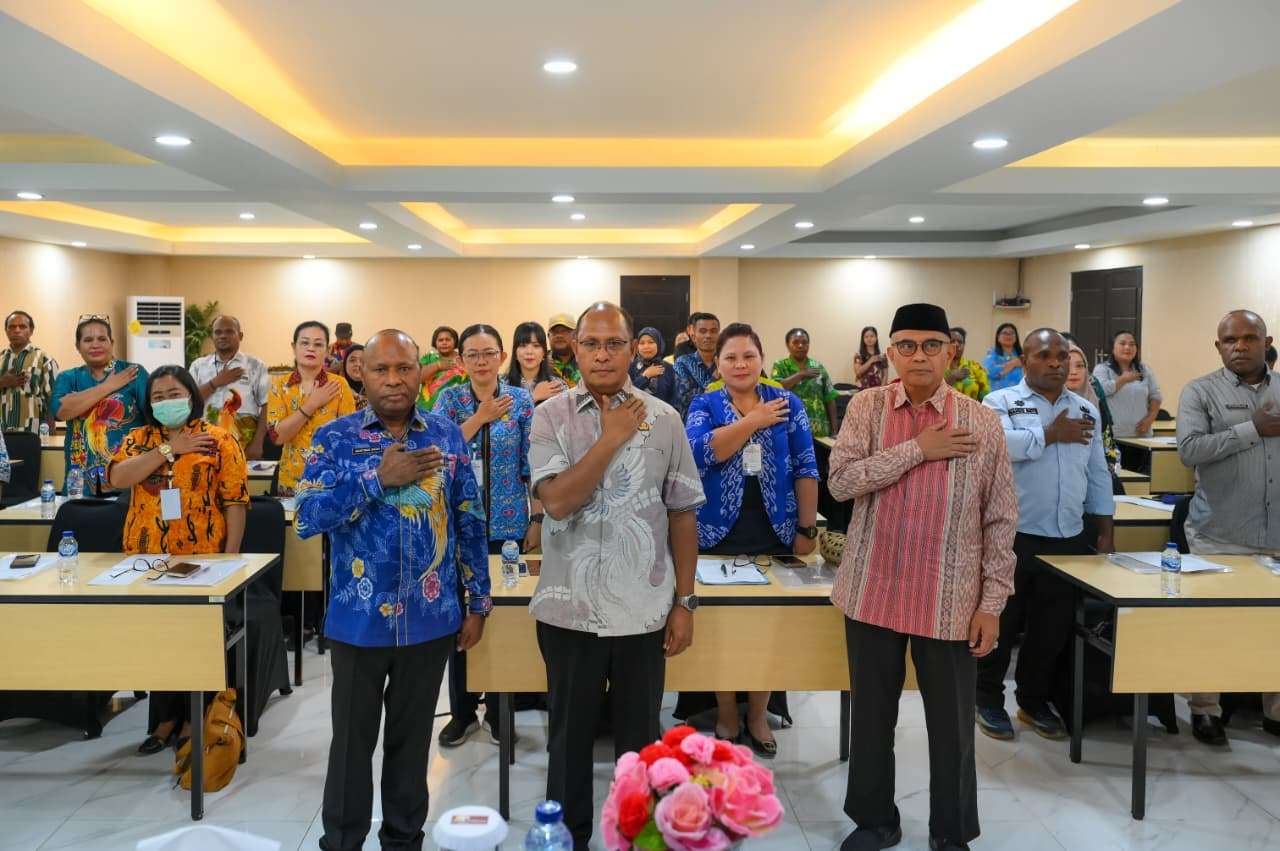
The training was held on September 10–12, 2026, at the Grand Tembaga Hotel in Mimika, and was designed to equip facilitators with the skills needed to assist TPOJ groups in developing local food resources into products that are safe, nutritious, innovative, and have greater added value.
Strengthening capacity is important because regional food potential cannot be measured merely by its availability at the production level. Communities need the ability to process food, improve quality, develop products, and expand their utilization so that local food can generate greater economic and nutritional benefits.
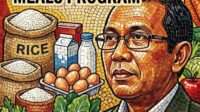
Some products that meet the required standards may also have the potential to support food needs under various government programs, including the Free Nutritious Meals (Makan Bergizi Gratis/MBG) Program.
Three lecturers from the FKM Unhas Department of Nutrition served as resource persons, delivering complementary topics. Prof. Dr. Aminuddin Syam, SKM., M.Kes., M.Med.Ed., presented the topic “Food Safety as an Absolute Requirement for Local Food Processing.”
He emphasized that food safety must be implemented comprehensively, from production and processing to storage and distribution. Meeting food safety standards is an important prerequisite for local food products to gain consumer acceptance and enter broader supply chains.
Ulfah Najamuddin, S.Si., M.Kes., Ph.D., subsequently presented “Diversification and Innovation of Local Food to Support TPOJ Implementation.” Participants were encouraged to view local food commodities not merely as raw materials, but as resources for developing innovative, attractive, nutritious products that respond to community needs.
Harnessing this potential is expected to strengthen food security while creating economic opportunities for communities through the development of value-added local food products.
Meanwhile, Andi Imam Arundhana, S.Gz., MPH., Ph.D., delivered “Strengthening Nutrition Education as a Resource for TPOJ Facilitator Teams.” Nutrition education is an important component of the facilitation process because the availability of nutritious food needs to be accompanied by public understanding of healthy food choices and consumption.
The activity was also facilitated by Yessy Kurniati, SKM., M.Kes., who supported the learning process, discussions, and various participant activities throughout the training.
Through the Training of Trainers approach, participants are not merely recipients of knowledge but are prepared to transfer the knowledge and skills they acquire to TPOJ groups in their respective areas. Through this model, capacity strengthening is expected to reach a wider segment of society and continue in a sustainable manner.
The TPOJ concept positions communities as part of the entire food development process, from production to marketing. This approach creates opportunities for communities to improve product quality, generate added value, and strengthen the position of local food within the regional food system.
The collaboration between the Central Papua Provincial Government and Hasanuddin University also contributes to the achievement of the Sustainable Development Goals (SDGs), particularly SDG 2: Zero Hunger, through strengthening food and nutrition based on local resources, and SDG 17: Partnerships for the Goals, through partnerships between government and higher education institutions.
For Hasanuddin University, the involvement of its lecturers in this activity is also aligned with efforts to achieve the Key Performance Indicators (IKU) by utilizing academic expertise to help address real-world challenges in society and promote the application of community service outcomes.
Through stronger food safety practices, product innovation, nutrition education, and facilitation capacity, the TPOJ program is expected to accelerate the downstream development of Central Papua’s local food potential. The goal is to ensure that local food does not stop at commodity production, but evolves into value-added, competitive products that deliver direct benefits to communities.