
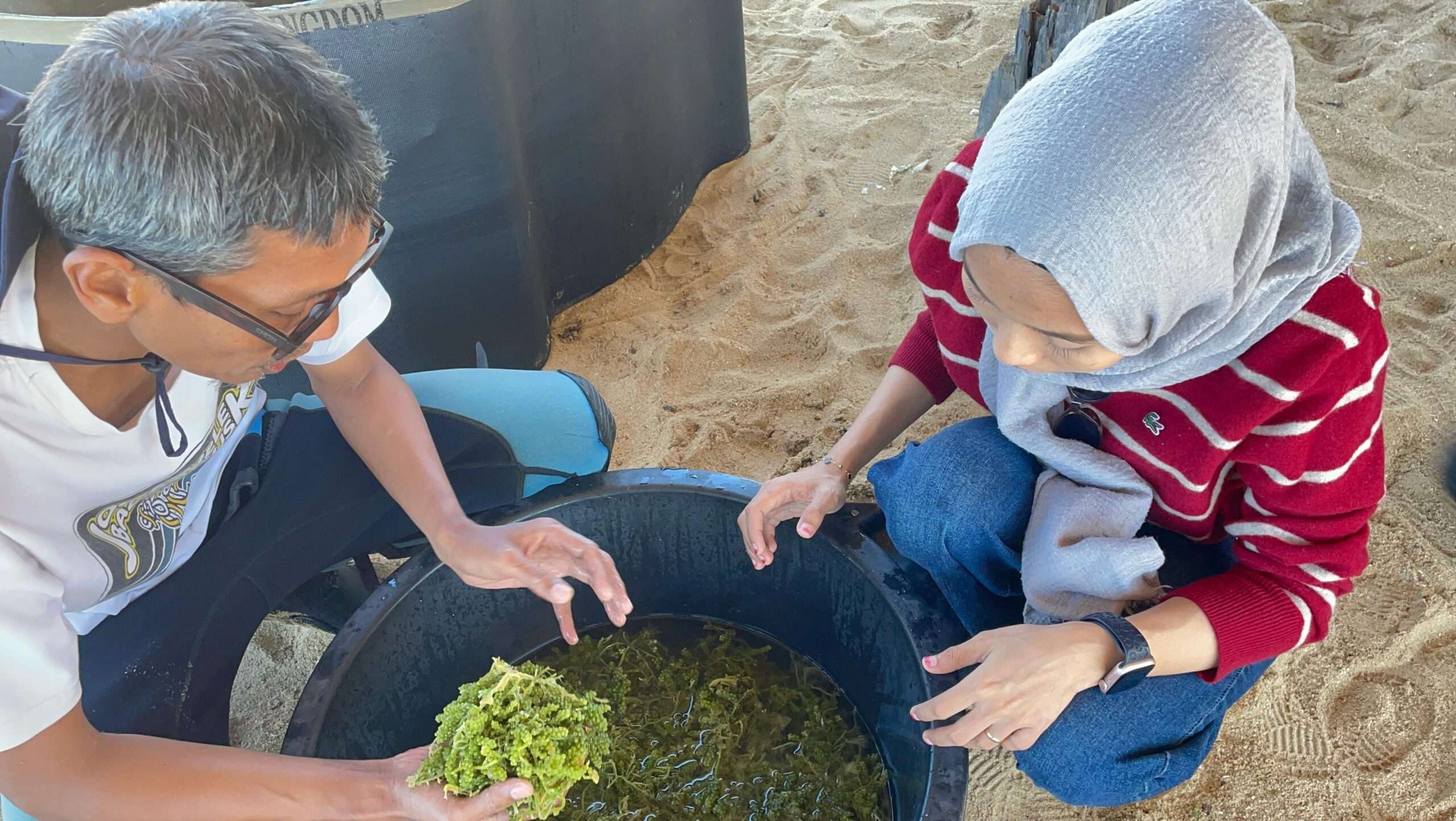
MARITIMEPOSTS.COM – MAKASSAR, Indonesia — The coastal potential of sea grapes on Barrang Caddi Island, Sangkarrang Islands District, Makassar, is being transformed into a new economic opportunity for local youth.
Through a Community Partnership Empowerment (Pemberdayaan Kemitraan Masyarakat/PKM) program, lecturers from Makassar State University (Universitas Negeri Makassar/UNM) are providing training and mentoring to coastal youth on processing sea grapes into value-added food products, including nuggets and chips.
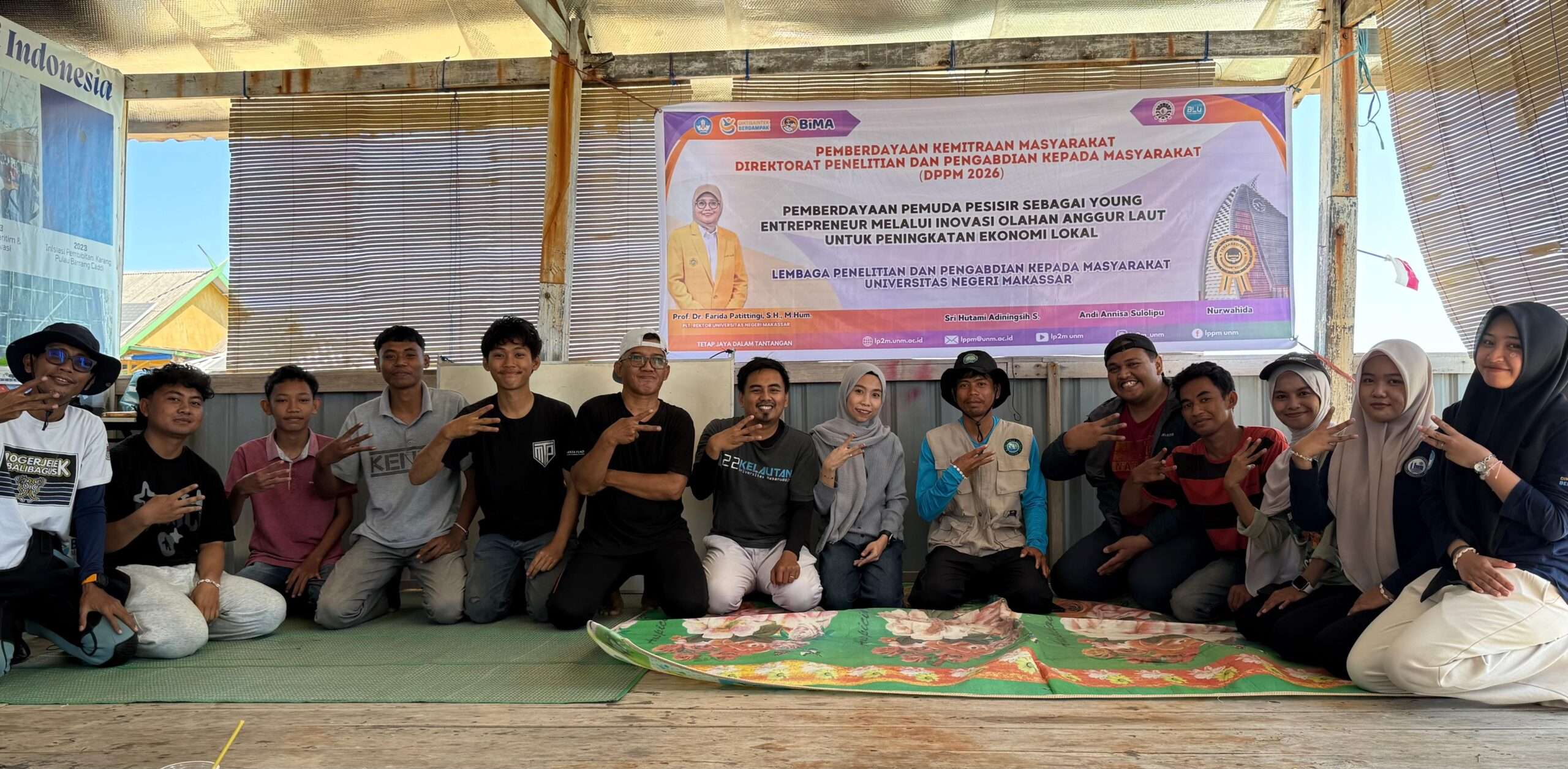
The initiative, titled “Empowering Coastal Youth as Young Entrepreneurs through Sea Grapes Processing to Strengthen the Local Economy,” is being implemented in stages from June to August 2026. The community service program receives funding support from the Directorate of Research and Community Service (DPPM) for 2026.
The program is designed to go beyond a one-off training session. Mentoring will continue toward the establishment of a business unit that can serve as a platform for young people to develop sea-grape-based products in a more sustainable and organized manner.
Turning a Coastal Resource into Economic Opportunity
The initiative is rooted in the coastal resources available around Barrang Caddi Island. Sea grapes have traditionally been known and consumed primarily as a fresh food product.
Through the program, however, young people are being introduced to opportunities to process sea grapes into more diverse products with greater added value and economic potential.
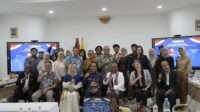
UNM lecturers have provided sessions on entrepreneurship based on local resources, encouraging participants to look at the resources around them not only as food sources but also as opportunities to create products and develop businesses.
“Local resources can become sources of economic opportunity when managed with creativity and the right knowledge. Therefore, we want to encourage young people to see sea grapes not only as food, but also as an opportunity to create products and businesses,” said Sri Hutami Adiningsih S.
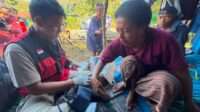
Following the entrepreneurship sessions, participants took part in hands-on training to process sea grapes into nuggets and chips.
The practical sessions covered several stages, from preparing the raw materials and processing and shaping the products to cooking.
Hands-on practice is an important component of the program because participants gain not only theoretical knowledge but also direct experience in producing sea-grape-based food products.
The skills are expected to provide a foundation for young people to develop products independently or through community-based business groups.
From Sea Grapes to Value-Added Products
Nuggets and chips were selected as forms of product diversification that could transform sea grapes into higher-value food products.
The innovation is expected to introduce sea grapes to consumers in new forms while creating products with potential market value.
For Rafli, chairman of the Lestari Penyu Community, the training has given local youth a new perspective on the resources available in their own environment.
“Until now, we mostly saw sea grapes as something to eat. After taking part in this training, we learned that sea grapes can be processed into various products such as nuggets and chips. We also learned how to calculate costs and manage business finances,” Rafli said.
He hopes the initiative will not stop at training but continue until the products develop into an actual youth-led business.
“We hope there will eventually be a business unit that can be jointly managed by young people. That way, what we have learned can really be applied and produce something beneficial for the community,” he added.
Learning to Manage a Business
The program also places emphasis on basic financial management for small businesses.
Participants receive training in simple recording of income and expenditure, calculating production costs, determining selling prices, and managing profits.
The financial management component is intended to help participants understand the basic financial condition of a business and make more informed decisions.
In this way, the skills developed through the program go beyond simply making a product. Participants are also introduced to the fundamentals of running and managing a business.
“Young people need not only the skills to produce a product, but also an understanding of how to manage the business. That is why we combine production skills with basic financial management knowledge,” said Andi Annisa Sulolipu.
Throughout the training and practical sessions, participants also had opportunities to discuss product development, marketing opportunities and potential business models that could be pursued after the training program ends.
Toward a Youth-Led Business Unit
The next stage of the initiative will focus on continued mentoring and the establishment of a business unit.
This stage is considered essential to ensure that the empowerment program continues beyond the training sessions.
Through the planned business unit, young people are expected to develop sea-grape products in a more organized manner, covering the entire process from sourcing raw materials and production to financial management and marketing.
The approach is also intended to cultivate an entrepreneurial mindset among coastal youth.
Rather than being positioned simply as beneficiaries of a community development program, participants are encouraged to become economic actors capable of creating added value from resources available in their own communities.
The involvement of UNM lecturers reflects the university’s contribution to strengthening community capacity through the application of knowledge and skills tailored to local needs.
For the people of Barrang Caddi, processing sea grapes into value-added products represents one potential pathway toward developing a coastal resource-based local economy.
The sea is not only a source of food. With appropriate knowledge, innovation and business development, coastal resources can also become the foundation for higher-value products and new livelihood opportunities.
The program, running from June through August 2026, represents an initial step toward building a local-resource-based enterprise ecosystem.
Young participants are being introduced to the full process—from identifying local potential and processing raw materials into products, to understanding financial management and preparing for the establishment of a business unit.
Ultimately, the initiative is expected to help nurture a new generation of young entrepreneurs on Barrang Caddi Island while creating new economic opportunities for coastal communities.
From a resource growing in the sea, Barrang Caddi’s youth are being encouraged to create added value—and turn that value into a stronger local economy.