
MARITIMEPOSTS.COM – Peace must be built through agreements, relationships, and understanding. Differences in perspectives, beliefs, and identities do not always have to result in uniformity; instead, they can create opportunities for dialogue, listening, and mutual understanding.
This idea was elaborated by Phoebe Milliken, Director of the Master of Peacebuilding Program at Hartford International University for Religion and Peace, during a public lecture organized in collaboration with the Center for Global Peace and Conflict Resolution (CGPCR), Hasanuddin University.
Milliken explained that peacebuilding is not merely about efforts to stop conflict. Rather, it is a process of developing understanding, skills, and relationships amid diversity.
She emphasized that experiential education in peace studies can serve as an alternative approach to understanding and preventing conflict. In her view, theory must be complemented by direct experience, cohort development, and engagement with communities.
“Peace cannot be learned only in the classroom. We need to practice it, interact with others, and learn through experience,” Milliken explained.
One of the key skills highlighted by Milliken was reflective listening and paraphrasing. These approaches allow participants to directly experience the dynamics of communication, differences, and conflict within social life.
Listening, according to Milliken, is not merely about waiting for an opportunity to respond, but about genuinely understanding what others are expressing and experiencing.
“Sometimes, people simply want to feel heard and understood,” she said.
In conflict resolution practice, the ability to listen and paraphrase can help reduce misunderstandings and create space for more constructive communication.
From this perspective, peacebuilding goes beyond conflict resolution. It also encompasses the ongoing practice of building trust and fostering human relationships in everyday life.
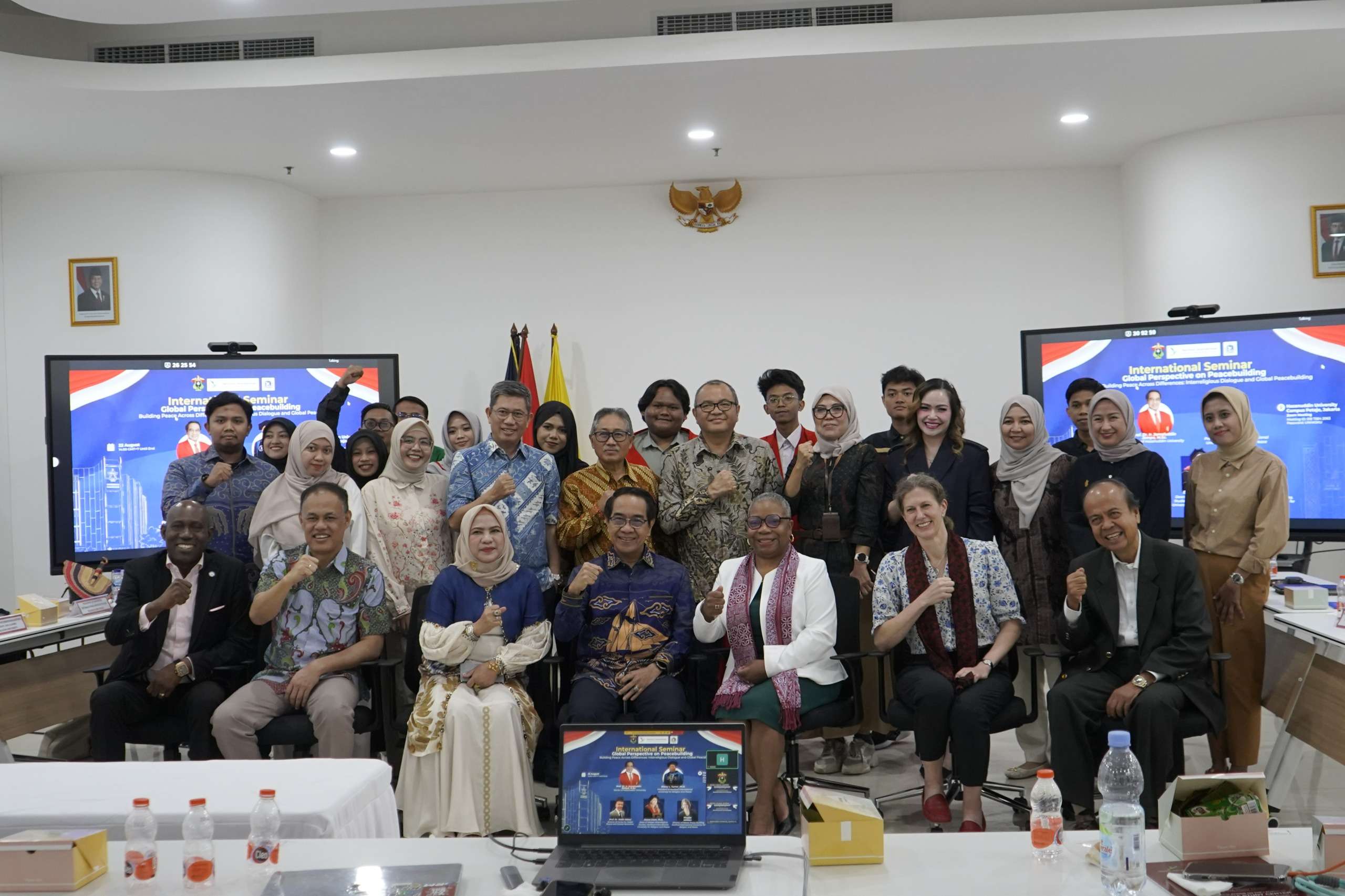
These views were presented during the public lecture titled “Global Perspective on Peacebuilding: Building Peace Across Differences through Interreligious Dialogue and Global Peacebuilding,” held by Hasanuddin University at its Jakarta Campus on Saturday (August 22). (*aya)