
MARITIMEPOSTS.COM – Democracy thrives not merely through elections, constitutions, or political institutions, but through the quality of its citizens.
An informed, educated, and critically minded population is better equipped to make responsible political choices, hold leaders accountable, and contribute to national development.
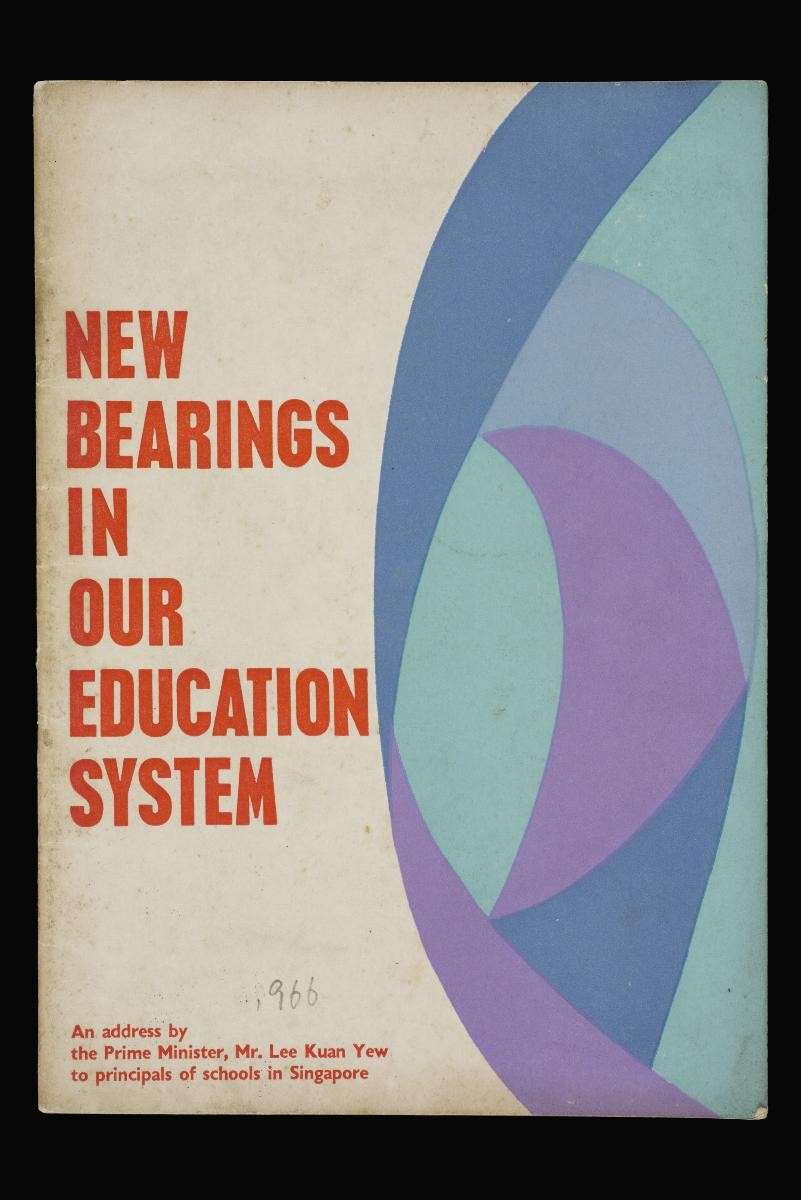
Although Singapore under Lee Kuan Yew has often been described as a model of guided or illiberal democracy rather than a liberal democratic state, his philosophy on education offers valuable lessons for democratic societies around the world. Lee consistently argued that education was not simply a pathway to individual prosperity; it was the cornerstone of national survival, social stability, and effective governance.
Education as a National Investment
When Singapore became independent in 1965, it faced daunting challenges: limited natural resources, widespread unemployment, ethnic tensions, and uncertain economic prospects. Lee Kuan Yew understood that the country’s only enduring resource was its people. Consequently, he regarded education as the nation’s most strategic investment.
In his speech Education and Economic Development in New Countries (1972), Lee emphasized that education should develop practical knowledge, technical competence, and disciplined citizens capable of supporting industrialization and economic transformation. Rather than viewing education solely as an academic pursuit, he saw it as an essential instrument for creating productive human capital.
This philosophy transformed Singapore from a developing nation into one of the world’s leading knowledge-based economies. More importantly, it demonstrated that education strengthens not only economic competitiveness but also the institutional foundations necessary for political stability.
Democracy Requires Informed Citizens
One of democracy’s greatest strengths is that political authority ultimately rests with the people. However, this principle can become a weakness if citizens lack the knowledge necessary to evaluate policies, distinguish facts from misinformation, and participate responsibly in public affairs.
Political philosophers have long recognized this relationship. John Stuart Mill argued that education enables citizens to exercise liberty wisely, while John Dewey viewed education as democracy itself in action, preparing individuals for active civic participation. More recently, economist Amartya Sen has emphasized education as a fundamental capability that expands individual freedom and strengthens democratic institutions.
Although Lee Kuan Yew rarely framed his arguments using democratic theory, his practical approach reflected similar concerns. He believed that a successful nation required citizens who could think critically, solve problems, adapt to technological change, and make rational decisions. In modern democracies increasingly challenged by misinformation, polarization, and populism, these qualities have become even more essential.
Building a Strong Middle Class
Education also serves as the principal engine of social mobility. By providing equal opportunities for individuals from different socioeconomic backgrounds, education helps create a broad and resilient middle class.
Lee repeatedly emphasized meritocracy as the guiding principle of Singapore’s development. Individuals should advance based on ability, effort, and achievement rather than family background, ethnicity, or political connections. Universal access to quality education became the mechanism through which this ideal could be realized.
A growing middle class contributes significantly to democratic stability. Political scientists such as Seymour Martin Lipset argued that higher levels of education and income are closely associated with stable democracies. A prosperous middle class generally supports institutional continuity, values moderation over extremism, and possesses both the resources and incentives to demand government accountability.
Education therefore becomes more than a personal investment; it is a public good that strengthens democratic resilience.
Social Cohesion Through Education
Singapore is among the world’s most ethnically and religiously diverse societies. Lee believed that schools should do more than produce skilled workers—they should cultivate national identity and social cohesion.
Educational institutions became places where children from different communities learned together, developed mutual understanding, and embraced shared civic values. Through bilingual education, common curricula, and national education programs, schools contributed to reducing social divisions while fostering a collective sense of citizenship.
For democracies, this lesson remains highly relevant. Political competition should not undermine national unity. Education can help cultivate tolerance, respect for diversity, and commitment to constitutional values, thereby reducing polarization and strengthening democratic culture.
Education and Responsible Leadership
Lee Kuan Yew frequently argued that competent leadership requires intellectual rigor, discipline, and continuous learning. While democracy rightly empowers citizens to choose their leaders, the quality of those leaders depends in part on the educational environment from which they emerge.
Quality education develops analytical thinking, ethical reasoning, communication skills, and evidence-based decision-making. These competencies benefit not only future political leaders but also civil servants, journalists, entrepreneurs, academics, and community organizers—all of whom contribute to democratic governance.
An educated society is therefore better positioned to produce capable leaders while simultaneously demanding higher standards of integrity and accountability from those in public office.
Challenges in the Digital Age
The twenty-first century has amplified the importance of education for democracy. Artificial intelligence, social media, algorithmic information systems, and digital communication have dramatically increased the volume of information available to citizens. Unfortunately, they have also accelerated the spread of misinformation, conspiracy theories, and political manipulation.
Education today must therefore extend beyond literacy and numeracy. Democratic societies increasingly require digital literacy, media literacy, scientific reasoning, and critical thinking. Citizens must learn not only how to access information but also how to evaluate its credibility.
Although Lee Kuan Yew governed before the rise of today’s digital platforms, his insistence on rigorous education, disciplined thinking, and adaptability remains strikingly relevant.
Balancing Education and Democratic Values
It is important to acknowledge that Singapore’s political system differs substantially from many liberal democracies. Critics have argued that its emphasis on social order sometimes came at the expense of political pluralism and freedom of expression. Consequently, Lee’s governance model cannot be transferred wholesale to other democratic contexts.
Nevertheless, one aspect of his philosophy commands broad consensus: sustainable national development depends on investing in education. Whether in parliamentary democracies, presidential systems, or constitutional monarchies, educated citizens are better equipped to participate constructively in public life, safeguard democratic institutions, and promote peaceful social change.
Conclusion
Lee Kuan Yew believed that Singapore’s greatest natural resource was not its land or minerals but the intelligence, discipline, and capabilities of its people. His unwavering commitment to education transformed a small island nation into one of the world’s most successful economies. For democracies, the lesson is equally profound.
Education creates informed voters, nurtures responsible leaders, strengthens the middle class, promotes social cohesion, and equips citizens to confront the complexities of an increasingly interconnected world. Democracy cannot flourish on political institutions alone; it requires citizens capable of exercising freedom with knowledge, responsibility, and wisdom.
As democracies confront growing polarization, technological disruption, and declining public trust, Lee Kuan Yew’s enduring message remains highly relevant: investing in education is ultimately an investment in the stability, resilience, and future of the nation.
Selected References
- Dewey, J. (1916). Democracy and Education. New York: Macmillan.
- Lee, K. Y. (1998). The Singapore Story. Singapore Press Holdings.
- Lee, K. Y. (2000). From Third World to First: The Singapore Story 1965–2000. HarperCollins.
- Lee, K. Y. (2013). One Man’s View of the World. Straits Times Press.
- Lipset, S. M. (1959). “Some Social Requisites of Democracy.” American Political Science Review, 53(1), 69–105.
- Mill, J. S. (1861). Considerations on Representative Government.
- Sen, A. (1999). Development as Freedom. Oxford University Press.
- National Archives of Singapore. (1972). Education and Economic Development in New Countries.
- Prime Minister’s Office Singapore. Various speeches by Lee Kuan Yew on education, meritocracy, and nation-building.