
The Ocean Needs More Than Assumptions
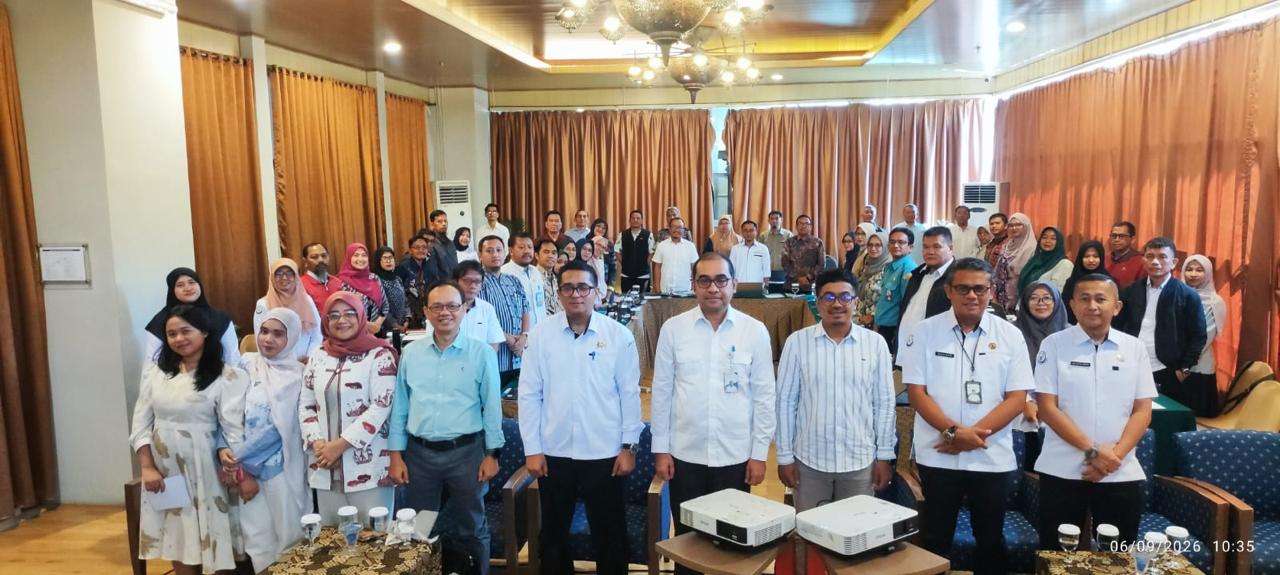
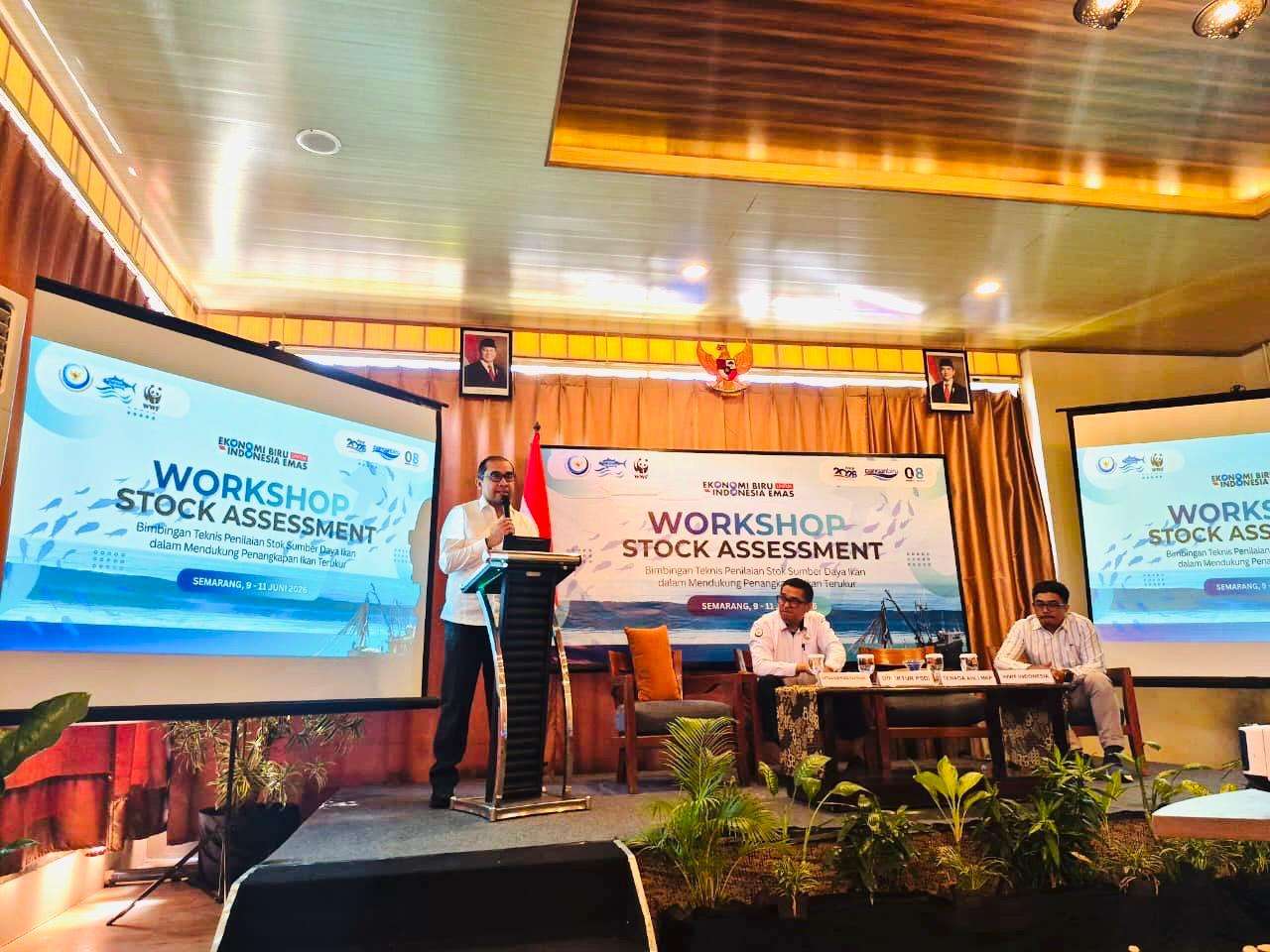
On June 9, 2026, in Semarang, the KKP launched the third batch of training for Scientific Service Providers (SSP), involving 33 academics from fisheries universities across Indonesia.
MARITIMEPOSTS.COM – For decades, managing fisheries in a vast archipelagic nation like Indonesia has been an enormous challenge. Stretching across more than 17,000 islands and some of the richest fishing grounds on Earth, Indonesia’s seas have long provided food, jobs, and economic opportunities for millions.
Yet the scale of these waters has also made it difficult to answer a fundamental question: how much fish can be caught without threatening the future of marine ecosystems?
Historically, fisheries management often depended on broad estimates and periodic assessments that struggled to keep pace with changing environmental conditions, shifting fish populations, and growing fishing pressure. As climate change intensifies and demand for seafood continues to rise, the need for accurate, real-time data has become increasingly urgent.
Recognizing this challenge, Indonesia’s Ministry of Marine Affairs and Fisheries (KKP) is accelerating a transition toward a more scientific and accountable fisheries management system through the implementation of Penangkapan Ikan Terukur (PIT), or Measured Fishing.
The policy marks a significant shift from estimation-based management toward evidence-based decision-making, where catch limits and resource utilization are determined through rigorous scientific assessment.
Building a New Generation of Fisheries Scientists
A critical element of this transformation is the development of a nationwide network of fisheries experts capable of producing reliable stock assessment data.
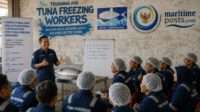
On June 9, 2026, in Semarang, the KKP launched the third batch of training for Scientific Service Providers (SSP), involving 33 academics from fisheries universities across Indonesia.
These participants were nominated by Fisheries Management Area Management Units (UPP WPPNRI) from management regions 573, 711, and 712.
The initiative reflects a strategic recognition that sustainable fisheries governance cannot rely solely on centralized institutions. Indonesia’s fisheries management areas span vast and diverse marine ecosystems, making local scientific capacity essential.
By empowering regional universities and researchers, the government is establishing a decentralized monitoring system capable of generating continuous and location-specific data.
This approach not only reduces logistical constraints but also strengthens long-term institutional knowledge within coastal regions. Universities become more than educational institutions; they become permanent partners in monitoring the health of marine resources and supporting adaptive fisheries management.
As Director of Fish Resources Management Syahril Abd Raup emphasized, the availability of reliable fisheries data is indispensable because it serves as the primary foundation for developing effective marine and fisheries policies.
From Stock Assessments to Sustainable Quotas
The scientific backbone of the PIT policy lies in standardized fish stock assessments conducted using methodologies developed by the National Commission for Fish Stock Assessment (Komnas KAJISKAN) and the National Research and Innovation Agency (BRIN).
These assessments provide the basis for determining the Jumlah Tangkapan yang Diperbolehkan (JTB), or Maximum Allowable Catch. Rather than allowing exploitation based primarily on market demand or historical trends, fishing quotas are established according to scientifically assessed resource availability.
The implications are significant. Accurate stock assessments help prevent overfishing, improve transparency in quota allocation, and create a more predictable operating environment for the fishing industry.
By defining ecological boundaries through science, policymakers can balance economic growth with conservation objectives.
Prof. Indra Jaya, Chairman of Komnas KAJISKAN, has repeatedly stressed that standardized scientific assessments must become the primary reference for fisheries management decisions. In this model, science is no longer an advisory component; it becomes the foundation of governance itself.
Fishing Villages Become Data Centers
The transformation of fisheries governance extends beyond laboratories and universities. It is also taking place in Indonesia’s coastal communities through the Kampung Nelayan Merah Putih (KNMP) program.
Traditionally, fishing villages have been viewed primarily as locations for infrastructure development and community assistance. The KNMP initiative introduces a broader vision by positioning these communities as strategic nodes within Indonesia’s fisheries information system.
Under this framework, fish catch data from fishermen are systematically recorded and integrated into national databases. Every landing, every species composition report, and every catch record contributes to a more accurate picture of the condition of fish stocks across Indonesia’s waters.
This represents a fundamental shift toward a bottom-up model of fisheries governance. Fishermen are no longer seen merely as resource users; they become active contributors to the scientific knowledge required for sustainable management.
According to Mohamad Abdi Suhufan, Special Staff to the Minister for Fisherman and Fishing Vessel Crew Protection, the KNMP program is not solely about infrastructure development. It is equally about improving fisheries governance through more comprehensive and systematic data collection.
A Blue Economy Guided by Evidence
Indonesia’s vision for a sustainable blue economy increasingly rests on the integration of science, policy, and community participation. The collaboration between government institutions, fisheries scientists, universities, fishing communities, and partners such as WWF Indonesia reflects an understanding that conservation and economic prosperity are not opposing goals.
Healthy fish stocks support sustainable livelihoods. Accurate data enable better regulations. Strong governance creates greater certainty for investors and fishing communities alike. Together, these elements form the foundation of a fisheries sector capable of delivering both ecological resilience and economic value.
The training of 33 academics in Semarang may appear modest when viewed against the scale of Indonesia’s oceans. Yet it represents something much larger: the gradual construction of a national system where decisions are guided by evidence rather than assumptions.
In an era of increasing environmental uncertainty, the future of Indonesia’s fisheries will depend not only on how many fish are caught, but on how well the nation understands the ecosystems that sustain them.
The era of guesswork is slowly giving way to an era of measurement, accountability, and science-driven stewardship—an essential step toward ensuring that Indonesia’s oceans remain productive for generations to come.