
MARITIMEPOSTS.COM – Global demand for seafood is at an all-time high, fueled by a world that craves the harvest of the deep while remaining largely blind to the shadows of the supply chain.
For the average consumer, “sustainability” is a label on a tin of tuna or a line on a high-end menu. But beneath the surface of the global trade, there is an invisible struggle unfolding in the lawless “blue hole” of the high seas.
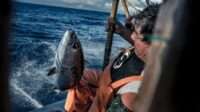
Behind the catch are the hands of thousands of workers operating in isolation, far from the reach of traditional labor protections.
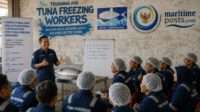
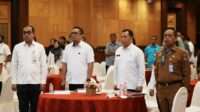
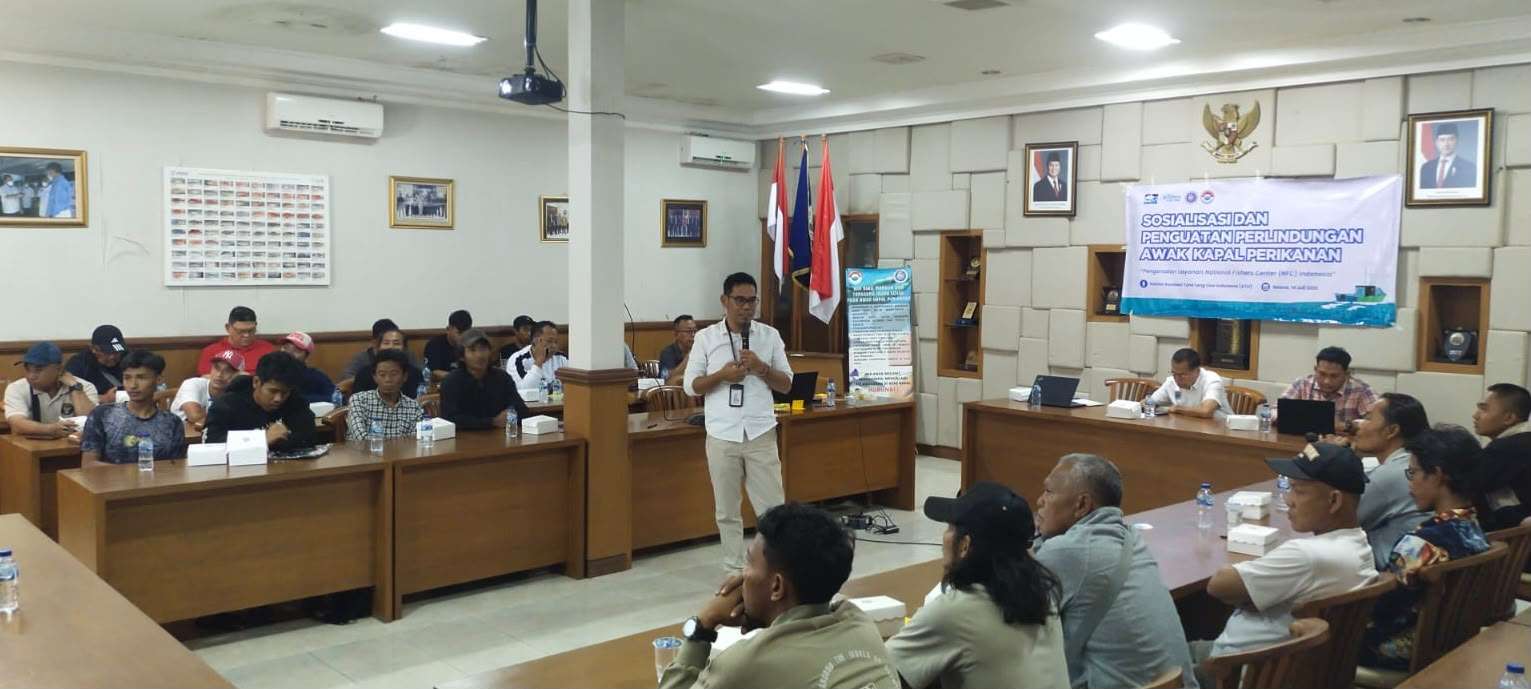
On July 14, 2026, in Benoa, Bali, a landmark dialogue signaled that the industry’s definition of sustainability is finally growing up.
Organized by Destructive Fishing Watch (DFW) Indonesia in collaboration with the Fisheries Improvement Project (FIP) and the Indonesian Tuna Longline Association (ATLI), this event wasn’t just another corporate seminar.
It was a confrontation with the reality of maritime labor, bringing together 50 stakeholders—from ship owners to the very crew members who navigate the world’s most dangerous workplaces.
The consensus was clear: the future of the seafood industry depends on a foundation of human dignity, not just healthy fish stocks.
Sustainability is No Longer Just About the Fish
For decades, the “green” movement in fisheries was defined almost exclusively by biological management. Success was measured in biomass, spawning rates, and net diameters.
However, this narrow focus proved to be a half-measure. An industry that protects the fish but exploits the fisher is not sustainable—it is merely efficient in its extraction.
The discourse in Benoa, led by the Indonesian Tuna Longline Association (ATLI), highlighted that social health and environmental health are two sides of the same coin.
Nyoman Sudarta, Secretary General of ATLI and an official with the Fisheries Improvement Project (FIP), argued that the old definition failed because it ignored the human architecture of the sea. By integrating labor standards directly into the FIP framework, the industry is moving toward a model where “quality” includes the safety of the person who pulled the net.
As Sudarta emphasized during the proceedings:
“A sustainable fishing industry does not only talk about the sustainability of resources and the quality of the catch, but also ensures that every crew member obtains their rights, works safely, and receives proper protection.”
The “investigative” reality of the fishing industry reveals a workplace defined by extreme isolation. Once a vessel leaves the harbor, it enters a realm where oversight is sparse and the culture of silence is thick.
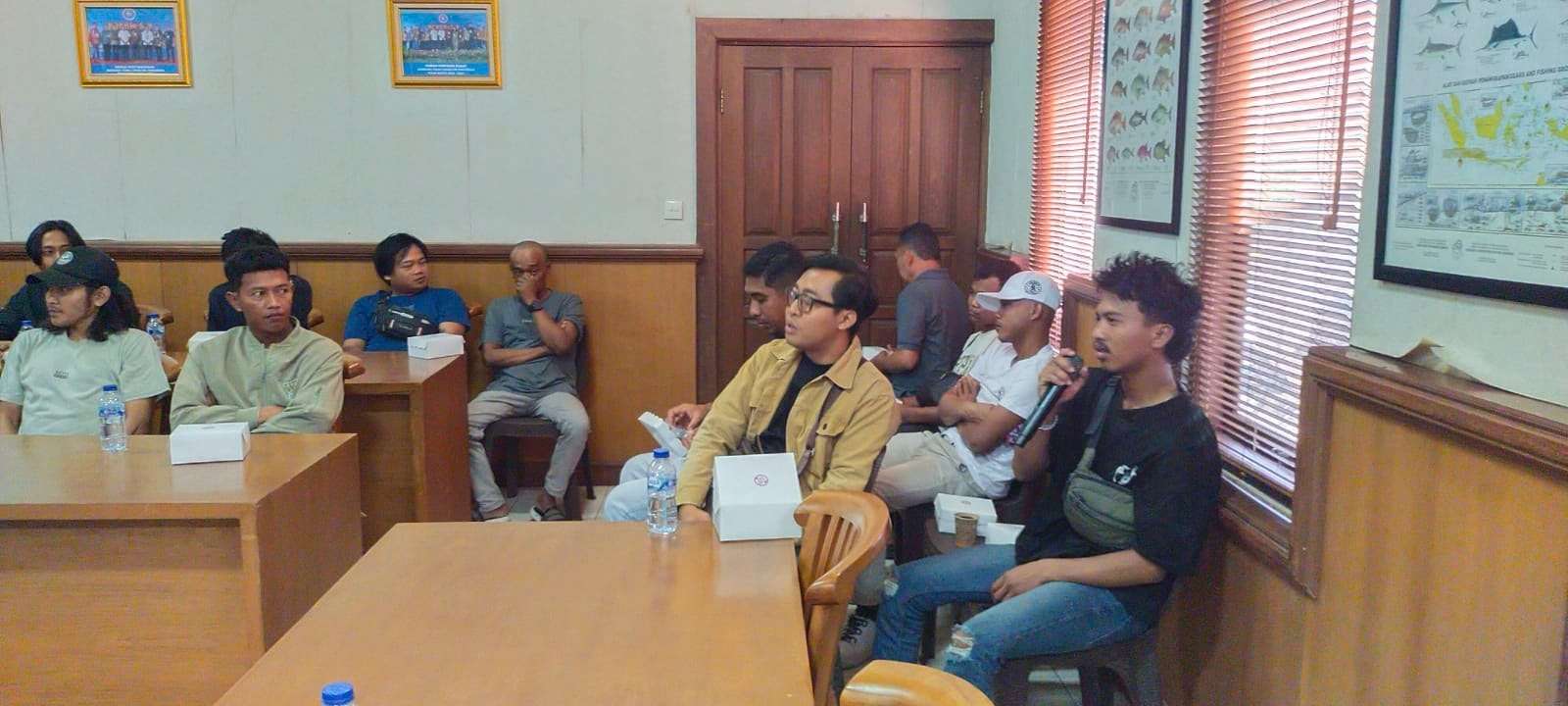
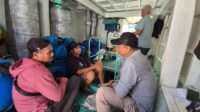
During the interactive sessions in Benoa, the workers themselves—crew members who have lived these risks—spoke of “unsuitable wage payments” and the grueling physical toll of the sea. They spoke of the “psychological burden” that comes with months of separation from family, a mental strain that often goes unrecorded in official safety reports.
According to the analysis presented by Laode Hardiani of DFW Indonesia, the risks to these workers are systemic and often begin before they even step onto a boat:
- Recruitment Fraud: Deceptive hiring that traps workers in debt-bondage or exploitative contracts.
- Document Retention: The confiscation of identification and papers to prevent workers from fleeing or seeking legal aid.
- Wage Theft: Non-payment or arbitrary deductions that violate employment agreements.
- Violence and Abuse: Physical and psychological harm occurring in the isolation of the high seas.
- Workplace Accidents: High-risk environments exacerbated by a lack of Occupational Health and Safety (K3) standards.
- Human Trafficking (TPPO): The criminal exploitation of vulnerable people for forced labor.
These crimes persist because workers are often cut off from legal infrastructure. Without a way to report abuse, the sea becomes a vacuum for human rights.
Labor Rights as a Ticket to the Global Market
While the protection of workers is a moral imperative, it has rapidly evolved into a hard commercial reality. The global market is no longer satisfied with “soft law” or optional ethics.
Export destination countries, particularly in premium markets like Europe and North America, are increasingly erecting trade barriers against products that cannot prove a clean labor record.
Social standards are no longer a “nice-to-have” luxury; they are becoming the mandatory “standard of sustainability” required by global buyers.
For Indonesia’s tuna industry, protecting the crew is now a prerequisite for market access.
This is the new “moral vs. market” reality: if the industry cannot guarantee the safety of its people, it will find its products locked out of the world’s most lucrative supply chains. Human rights have become the new currency of international competitiveness.
The National Fisher Center (NFC): A One-Stop Shop for Justice
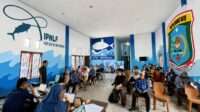
To bridge the gap between vulnerable workers and the legal protections they deserve, the National Fisher Center (NFC) has been positioned as a vital infrastructure for justice. It functions as both a shield for the worker and a guide for the industry, offering a centralized hub for grievance and education.
The scope of the NFC’s services includes:
- Education and Information: Empowering fishers with knowledge of their rights before they sign contracts.
- Consultation: Expert advice for workers navigating complex labor disputes.
- Complaints and Reporting: A secure channel for reporting violations and abuse.
- Case Assessment and Mediation: Analyzing grievances and facilitating fair resolutions between parties.
- Referrals: Connecting victims to authorized legal or governmental institutions.
The NFC Service Flow ensures that every report follows a structured path toward resolution:
- Report Reception: Documenting the initial grievance from the worker or representative.
- Verification and Assessment: Investigating the validity and severity of the claims.
- Follow-up: Initiating direct intervention or mediation.
- Referral: Escalating the case to the relevant government authorities when necessary.
- Monitoring: Tracking the case to ensure a “fast, precise, and fair” outcome.
As Laode Hardiani noted, the NFC is more than a service; it is a bridge to justice in an industry that has long lacked a safety net.
The shift toward protecting the human element of fisheries is not merely a trend; it is the construction of a necessary new foundation. When we ensure that every crew member has a transparent contract, a guaranteed wage, and the right to work without fear of violence, we create a more resilient and stable industry.
A sustainable industry must be a responsible one. As Indonesia looks to the future of its maritime economy, success will be measured not just by the metric tons of tuna exported, but by the safety and dignity of the men and women on the boats.
When we audit the health of a fish stock, we must simultaneously audit the safety of the hands that caught it. Are you eating a product of sustainability, or a product of silence?
___
Editor KamaruddinAzis