
MARITIMEPOSTS.COM – Nestled in the heart of South America, Paraguay is a nation that often escapes the international spotlight.
Landlocked between Brazil, Argentina, and Bolivia, it lacks the dramatic coastlines or towering mountain ranges that define many of its neighbors. Yet behind its understated profile lies a country with a rich cultural identity, remarkable resilience, and a way of life deeply connected to community, nature, and tradition.
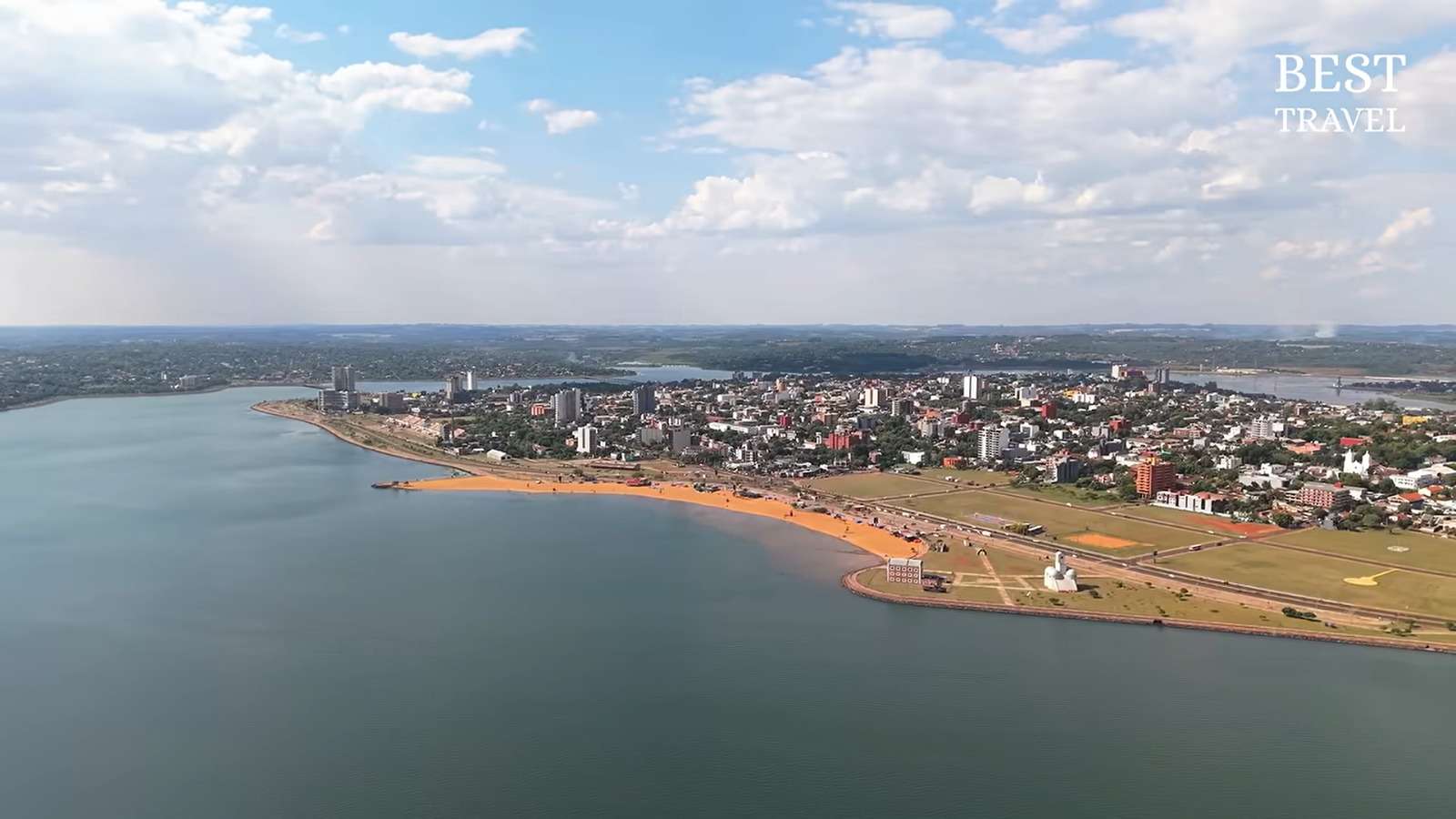
The country’s geography is shaped by the Paraguay River, which divides it into two distinct regions. To the east lies a fertile and densely populated landscape of forests, farmland, and bustling towns. To the west stretches the Gran Chaco, a vast semi-arid wilderness renowned for cattle ranching and biodiversity.
Together, these contrasting landscapes shape both Paraguay’s economy and its cultural character, creating a nation where urban growth coexists with expansive natural frontiers.
A Society Built Around Community
Daily life in Paraguay unfolds at a relaxed pace, largely influenced by its subtropical climate. Morning routines often begin in neighborhood bakeries, where conversations are as important as the fresh bread. In towns and villages, neighbors know one another by name, children play freely in quiet streets, and families maintain close relationships that extend across generations.
Community forms the foundation of Paraguayan society. Grandparents, parents, and children frequently live together or nearby, creating strong support systems. During times of hardship, neighbors instinctively offer assistance, reflecting a deeply rooted culture of solidarity rather than individualism.
The Strength of a Bilingual Identity
One of Paraguay’s most distinctive characteristics is its bilingual heritage. Unlike most countries in the Americas, the majority of Paraguayans speak both Spanish and Guaraní. Rather than competing, the two languages complement one another, with Spanish commonly used in formal settings while Guaraní expresses intimacy, humor, emotion, and cultural identity.
This linguistic duality symbolizes a broader cultural synthesis between indigenous Guaraní traditions and Spanish colonial influences. Rather than replacing indigenous culture, Paraguay has integrated it into the nation’s modern identity.
Tereré: More Than a Drink
Perhaps no tradition better illustrates Paraguayan culture than tereré, the country’s beloved cold yerba mate beverage. Shared from a single cup with a metal straw, tereré represents friendship, hospitality, and equality. Whether among family members, coworkers, or strangers, sharing tereré signifies acceptance into the group.
Often infused with medicinal herbs known as yuyos, the drink also reflects Paraguay’s long-standing relationship with traditional knowledge and natural remedies.
Economy Rooted in Agriculture
Agriculture remains one of the pillars of Paraguay’s economy. The eastern region has become one of the world’s largest soybean-producing areas, while the Chaco supports extensive cattle ranching. Beyond large-scale agriculture, however, countless Paraguayans rely on family-owned businesses, informal trade, and entrepreneurship.
A uniquely Paraguayan concept known as rausk embodies the nation’s resourcefulness—the ability to solve problems creatively and earn a living through persistence and ingenuity. Whether operating a small neighborhood store or selling homemade food on city buses, Paraguayans demonstrate remarkable adaptability.
Traditional Cuisine
Food in Paraguay reflects simplicity, practicality, and local abundance. Cassava (mandioca) accompanies nearly every meal, while corn serves as the basis for national favorites such as sopa paraguaya—a savory cornbread despite its misleading name—and chipa guasu, a softer corn casserole.
Family gatherings frequently revolve around asado, the traditional barbecue, where slow-cooked meats become the centerpiece of social interaction. Recipes are typically handed down through generations, preserving culinary traditions that remain deeply connected to family life.
Living with Nature
Nature is not merely scenery in Paraguay—it shapes everyday life. The Paraguay and Paraná rivers provide transportation, food, and identity, while the country’s subtropical climate encourages outdoor living. During the hottest hours of the day, many people retreat indoors, only to return to porches, plazas, and public spaces as cooler evening temperatures arrive.
The country’s landscapes include wetlands, forests, and diverse wildlife, fostering an enduring appreciation for the environment. For many Paraguayans, connection to nature is not recreational but simply part of daily existence.
Balancing Tradition and Modernity
Although deeply traditional, Paraguay is steadily embracing modernization. Improved highways, expanding internet access, and growing mobile connectivity have linked rural communities with global opportunities. Young Paraguayans increasingly pursue higher education, entrepreneurship, and technology while maintaining strong ties to family and local customs.
Many students relocate to Asunción for university, facing both opportunity and the challenges of urban life. Limited professional opportunities have also contributed to migration abroad, creating concerns about brain drain. Nevertheless, many Paraguayans eventually return home, motivated by family connections and a desire to contribute to national development.
Challenges for the Future
Like many developing nations, Paraguay confronts significant challenges. Economic inequality remains pronounced, particularly between urban centers and rural communities. Access to quality healthcare, education, and infrastructure varies considerably across regions.
Environmental concerns have also intensified as agricultural expansion places pressure on forests and ecosystems. Policymakers continue to face the difficult task of balancing economic growth with environmental conservation and cultural preservation.
Governance, transparency, and institutional development remain central issues as Paraguay seeks to create greater opportunities for future generations while maintaining its distinctive social fabric.
Why Paraguay Endures
Despite these challenges, Paraguay offers something increasingly rare in today’s fast-paced world: a profound sense of belonging. Family remains central to everyday life. Community relationships are genuine and enduring. Cultural traditions continue to thrive alongside technological progress.
For many Paraguayans, home is defined not by wealth or international prominence but by shared meals, familiar languages, evening conversations, and lifelong relationships. It is this quiet resilience—more than dramatic landmarks or global attention—that defines the country’s identity.
Paraguay reminds us that national success cannot be measured solely by economic indicators or geopolitical influence. It can also be found in the strength of communities, the preservation of cultural heritage, and the ability to balance modern aspirations with enduring traditions. In a world that often moves too quickly, Paraguay offers a compelling example of how a quieter pace of life can foster resilience, connection, and lasting well-being.