
Participatory data collection through the Crew Operated Data Recording System (CODRS) strengthens collaboration in safeguarding the sustainability of fisheries resources within the Kofiau–Boo Marine Protected Area, Raja Ampat Regency
MARITIMEPOSTS.COM – The Southwest Papua Provincial Government, in collaboration with the Regional Public Service Agency–Technical Implementation Unit for Marine Protected Areas of Raja Ampat Islands (BLUD UPTD KKP Raja Ampat Islands), local communities, fishers, and Yayasan Konservasi Alam Nusantara (YKAN), continues to strengthen partnerships aimed at ensuring the long-term sustainability of fisheries resources in Raja Ampat.
This commitment was highlighted through the dissemination of the Crew Operated Data Recording System (CODRS) program in Area V of the Raja Ampat Islands Marine Protected Area, covering the Kofiau–Boo waters in Raja Ampat Regency, Southwest Papua Province.
The CODRS initiative serves as a collaborative platform that brings together government institutions, conservation managers, and fishing communities to improve fisheries data collection and management.
By involving fishers directly in recording and documenting their catches, the program not only generates more accurate information on fish stocks and fishing activities but also encourages greater community participation in safeguarding marine resources.
Through this shared effort, stakeholders are working toward a more sustainable and science-based fisheries management system that supports both conservation goals and local livelihoods.
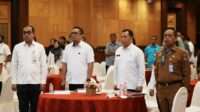
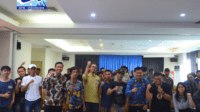
The dissemination event was held on May 21–22, 2026, involving local government representatives, marine protected area managers, village officials, community leaders, and fishers.
CODRS is a fisheries catch data collection system developed by YKAN that directly engages fishers in documenting and recording their catches in the field.
This approach helps generate more accurate fisheries data while increasing community participation in marine resource management.
The data collected include fish species, catch sizes, fishing locations, and trends in fisheries resource utilization within the Kofiau–Boo Marine Protected Area. The program is implemented through collaboration between BLUD UPTD KKP Raja Ampat Islands, YKAN, and local fishers in the Kofiau–Boo region.
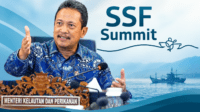
Absalom Solossa, Head of the Southwest Papua Marine Affairs and Fisheries Office, emphasized that sustainable marine resource management must be supported by reliable data and active community involvement.
“Effective fisheries management must be data-driven and involve local communities. The CODRS results provide a clear picture of the condition of fishery resources in Kofiau–Boo. The Southwest Papua Provincial Government fully supports strengthening community-based fisheries management to ensure marine resources remain sustainable for future generations,” he said.
The Kofiau–Boo Marine Protected Area is one of Raja Ampat’s most important conservation areas, covering 148,979 hectares and encompassing 44 small islands. The area contains approximately 13,800 hectares of coral reefs and 3,413 hectares of mangrove forests, providing habitat for numerous important species.
The Kofiau–Boo waters are also recognized as a key migration corridor for marine mammals within the Bird’s Head Seascape, making them strategically important for maintaining ecological connectivity across Raja Ampat and surrounding marine ecosystems.
In addition, the area serves as a critical fisheries zone, supporting local livelihoods while providing habitat for economically important pelagic and reef fish species.
Hasan Makasar, Head of BLUD UPTD KKP Raja Ampat Islands, stated that the dissemination forum serves as an important platform for building a shared understanding between communities and conservation area managers.
“Through this forum, communities not only receive information from the data collection process but also participate directly in developing joint management recommendations. Participatory approaches like this are essential for strengthening the effectiveness of marine protected area management in Raja Ampat,” he said.

Advancing Sustainable Fisheries Management
Data collected by YKAN and its partners indicate that fisheries in Kofiau–Boo are dominated by small-scale fishers using simple boats and handline fishing gear. Fishing activities are generally conducted in nearshore waters within sasi sub-zones and traditional use areas.
Monitoring of 15 partner fishers since March 2025 shows that Balal Village recorded the highest and most consistent fishing activity, followed by Deer Village, where fishing activity fluctuated over time.
Fishing activity in Mikiran and Tolobi villages was relatively lower. Peak fishing seasons occur during March–May and October–November.
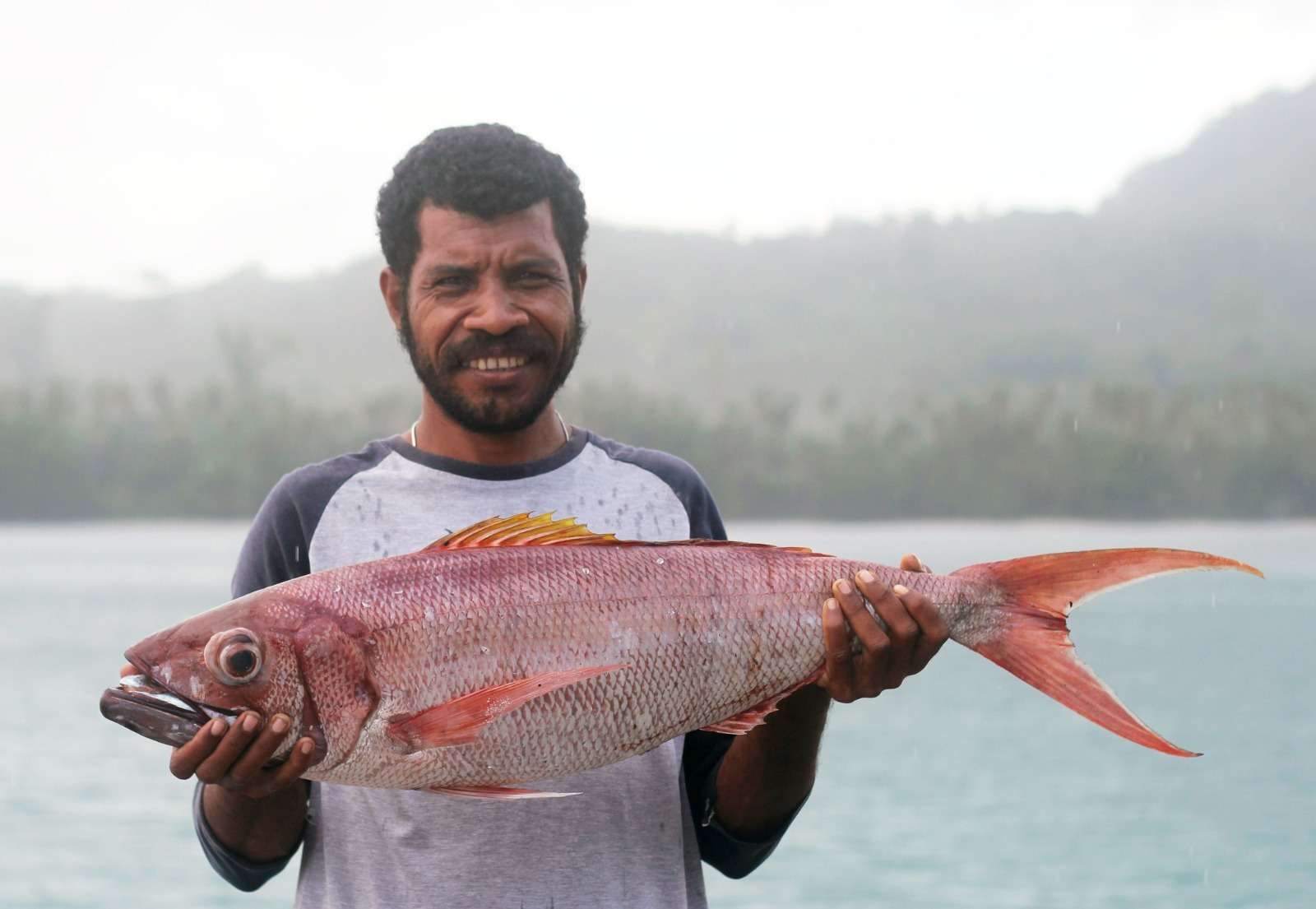
During the monitoring period, a total of 24 fish families and 198 species were recorded. Catch numbers were dominated by small pelagic fish such as Bigeye Scad (Selar crumenophthalmus) and Mackerel Scad (Decapterus macarellus), while catch biomass was dominated by Skipjack Tuna (Katsuwonus pelamis) and Yellowfin Tuna (Thunnus albacares).
Preliminary CODRS analysis indicates varying stock conditions among fish groups. Large pelagic species such as tuna and skipjack are experiencing fishing pressure, reef fish are under moderate pressure, while small pelagic fish stocks remain relatively healthy.
Based on these findings, community members, customary leaders, religious leaders, youth representatives, and village and district governments agreed to strengthen community-based fisheries management in accordance with the zoning system of Raja Ampat’s marine protected areas.
The agreement prioritizes the protection of local fishing grounds and tighter regulation of fishing activities by fishers from outside the Kofiau–Boo region.
This community-based fisheries management agreement will be integrated into the Raja Ampat Marine Protected Area Management Plan to further strengthen the sustainability of marine resources in Kofiau–Boo.
Participants also agreed on several fisheries management recommendations, including regulating hook sizes, prohibiting destructive fishing practices such as blast fishing, cyanide fishing, and compressor-assisted fishing, revitalizing traditional sasi practices, and improving regulations governing outside fishers operating in Kofiau–Boo waters.
Yusuf Mayor, a local fisher, said that community participation in data collection has helped fishers better understand the condition of fish stocks in their waters.
“Through this program, we have come to understand the importance of protecting our fishing grounds so that fish resources will remain available for our children and grandchildren,” he said.
Glaudy Perdanahardja, Senior Manager for Sustainable Fisheries at YKAN, emphasized that sustainable fisheries management requires collaboration among all stakeholders.
“CODRS is not merely a data collection tool; it is also a process of building shared awareness and responsibility for managing marine resources sustainably. We hope that the data and agreements developed together with local communities will serve as a strong foundation for more sustainable fisheries management in the future,” he concluded.