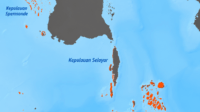

MARITIMEPOSTS.COM – SELAYAR ISLANDS, SOUTH SULAWESI — The sinking of KM Nurul Salsa in the waters off the Selayar Islands has once again highlighted the vulnerabilities of maritime transportation serving Indonesia’s remote island communities.
The tragedy, which unfolded on 15 July 2026, left families searching for loved ones, mobilized one of the region’s largest search-and-rescue operations in recent years, and renewed concerns about the safety of wooden passenger vessels operating across the archipelago.
KM Nurul Salsa departed from Jampea Island early Wednesday morning, bound for Benteng Port, the administrative center of the Selayar Islands Regency.
The vessel served as a vital transportation link connecting residents of the southern islands with the regency capital, carrying passengers, household supplies, agricultural commodities, and livestock.
For many communities scattered across the Selayar archipelago, such vessels are not merely transportation—they are lifelines supporting trade, education, healthcare access, and family connections.
According to authorities, the voyage began under routine conditions. However, approximately 43 nautical miles west of Polassi Island, the vessel reportedly experienced a total engine failure while navigating increasingly rough seas.
Without propulsion, the wooden vessel became vulnerable to strong waves and winds before eventually sinking in open waters.
Early reports regarding the number of passengers varied because of discrepancies in the passenger manifest, a recurring challenge in maritime incidents involving small inter-island vessels.
The latest information released by Indonesia’s National Search and Rescue Agency (Basarnas) indicated that 74 people were believed to have been on board, with 49 survivors rescued, one confirmed fatality, and 24 people reported missing during the initial stages of the rescue operation.
The tragedy immediately triggered a large-scale search-and-rescue mission involving Basarnas Makassar, the Indonesian Navy, the Indonesian National Police, local government agencies, fishermen, and community volunteers.
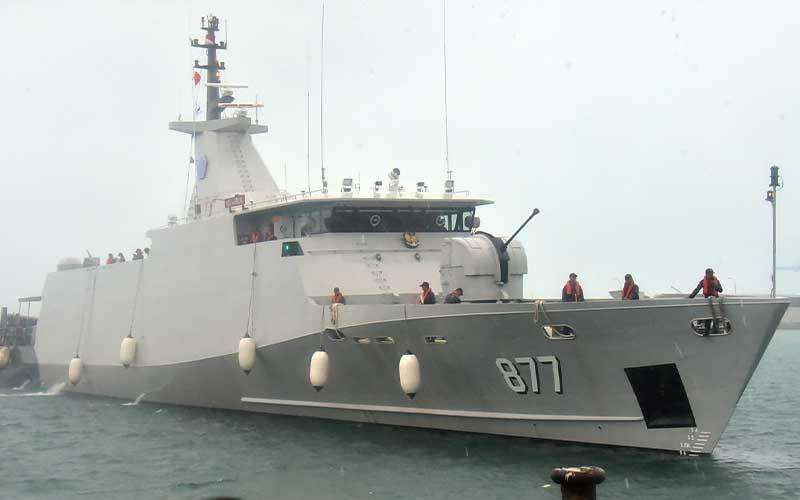
Naval assets, including KRI Marlin-877, were deployed to assist in searching the vast waters surrounding the accident site.
Rescue operations proved particularly challenging due to unfavorable weather conditions. Waves reportedly reached 2 to 2.5 meters, accompanied by strong winds and ocean currents that complicated search patterns.
The remoteness of the Flores Sea, coupled with the wide area where survivors and debris could drift, forced rescuers to expand the search zone significantly over several days.
For residents of the Selayar Islands, the sinking of KM Nurul Salsa was more than a maritime accident—it became a humanitarian crisis affecting numerous families across the archipelago.
Many passengers were returning to Benteng after conducting business, seeking medical care, attending school, or transporting agricultural products.
As news of the sinking spread, families gathered at ports and emergency coordination centers, anxiously awaiting updates while local authorities organized victim identification and survivor assistance.
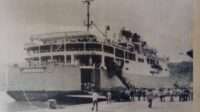
The incident also drew attention to the continued dependence of Indonesia’s island communities on aging wooden vessels. Throughout eastern Indonesia, traditional passenger boats remain the backbone of regional connectivity, particularly where larger ferries cannot operate regularly.
While these vessels play a crucial economic and social role, maritime experts have long warned that aging fleets, inconsistent maintenance, weather exposure, limited safety equipment, and irregular passenger documentation continue to increase operational risks.
Indonesia, the world’s largest archipelagic nation with more than 17,000 islands, relies heavily on maritime transportation to connect dispersed populations.
Despite ongoing efforts by the Ministry of Transportation to strengthen vessel inspections, improve port infrastructure, and enhance weather information services, accidents involving small passenger vessels continue to occur, particularly during periods of adverse weather.
The KM Nurul Salsa tragedy has therefore renewed calls for broader reforms extending beyond emergency response.
Maritime observers argue that improving safety requires stricter enforcement of seaworthiness standards, accurate passenger manifests, mandatory life-saving equipment, regular crew training, improved weather-based voyage planning, and stronger oversight of inter-island passenger services operating in remote regions.
The incident also underscores the indispensable role played by local fishing communities during maritime emergencies.
Fishermen were among the first responders to assist survivors before larger rescue assets arrived, demonstrating once again how community participation remains an essential component of disaster response in Indonesia’s coastal waters.
As search operations continue and investigators work to determine the precise sequence of events that led to the sinking, the loss of KM Nurul Salsa stands as another painful reminder that reliable maritime connectivity must be accompanied by equally strong commitments to safety.
For the people of Selayar and countless other island communities across Indonesia, safe transportation is not simply a matter of convenience—it is a fundamental necessity that underpins livelihoods, public services, and the resilience of island life.
The tragedy is likely to become another important reference point in Indonesia’s continuing efforts to strengthen maritime governance and protect passengers who depend daily on small vessels to navigate one of the world’s largest and most complex archipelagos.