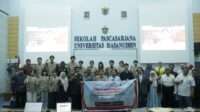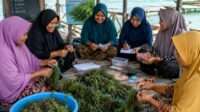

We want to show that friends with disabilities are ready to stand on the front lines to plant, care for, and voice climate justice.
Basri Andang, Chair of PPDI South Sulawesi
MARITIMEPOSTS.COM – On the banks of the Suso River in South Sulawesi, Indonesia, climate change is not an abstract concept debated in conference halls.
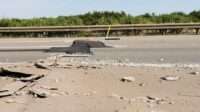
It is visible in the collapsing riverbanks, the disappearing farmland, and a suspension bridge that grows longer every year as the land beneath it slowly vanishes.
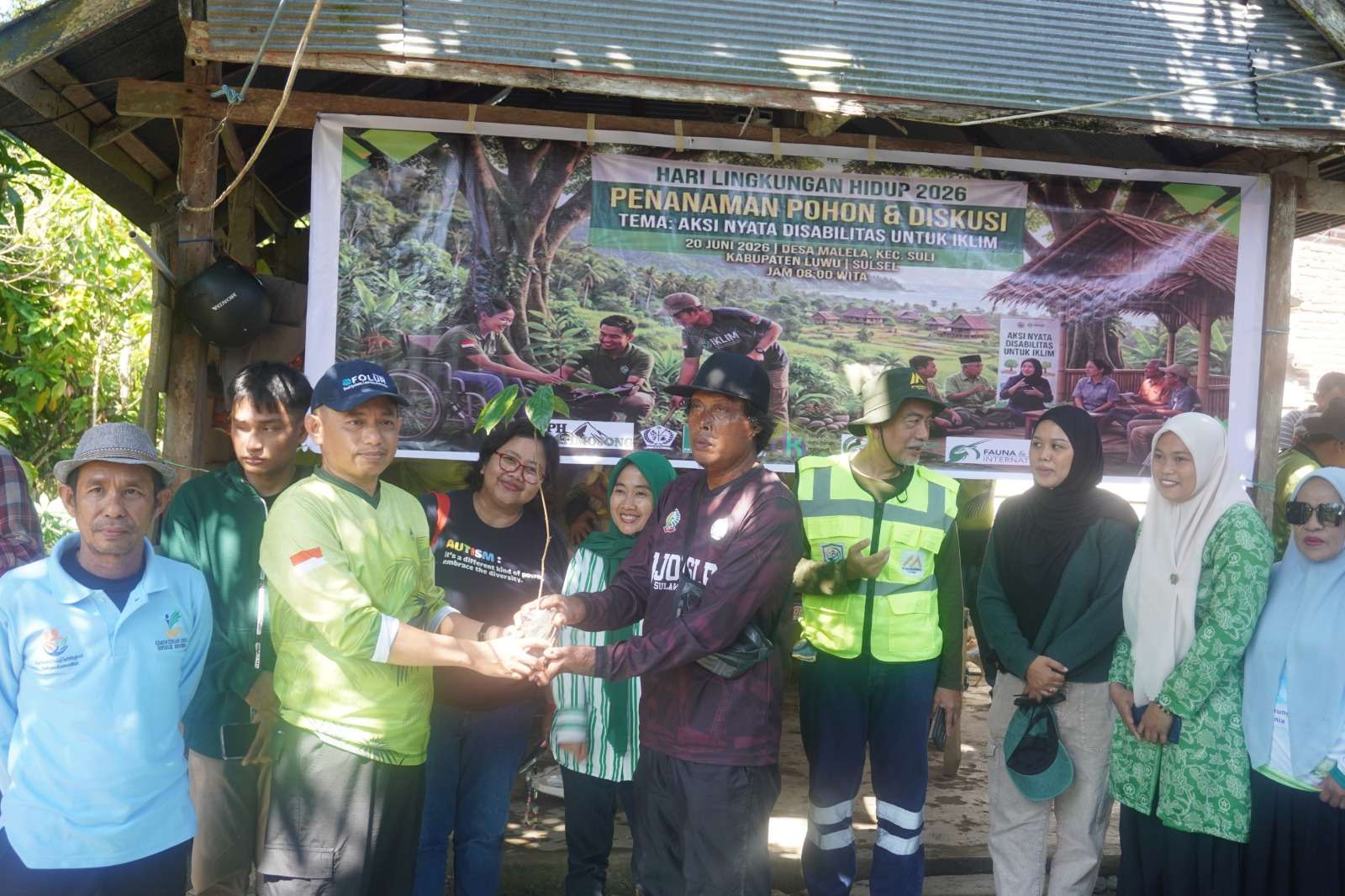
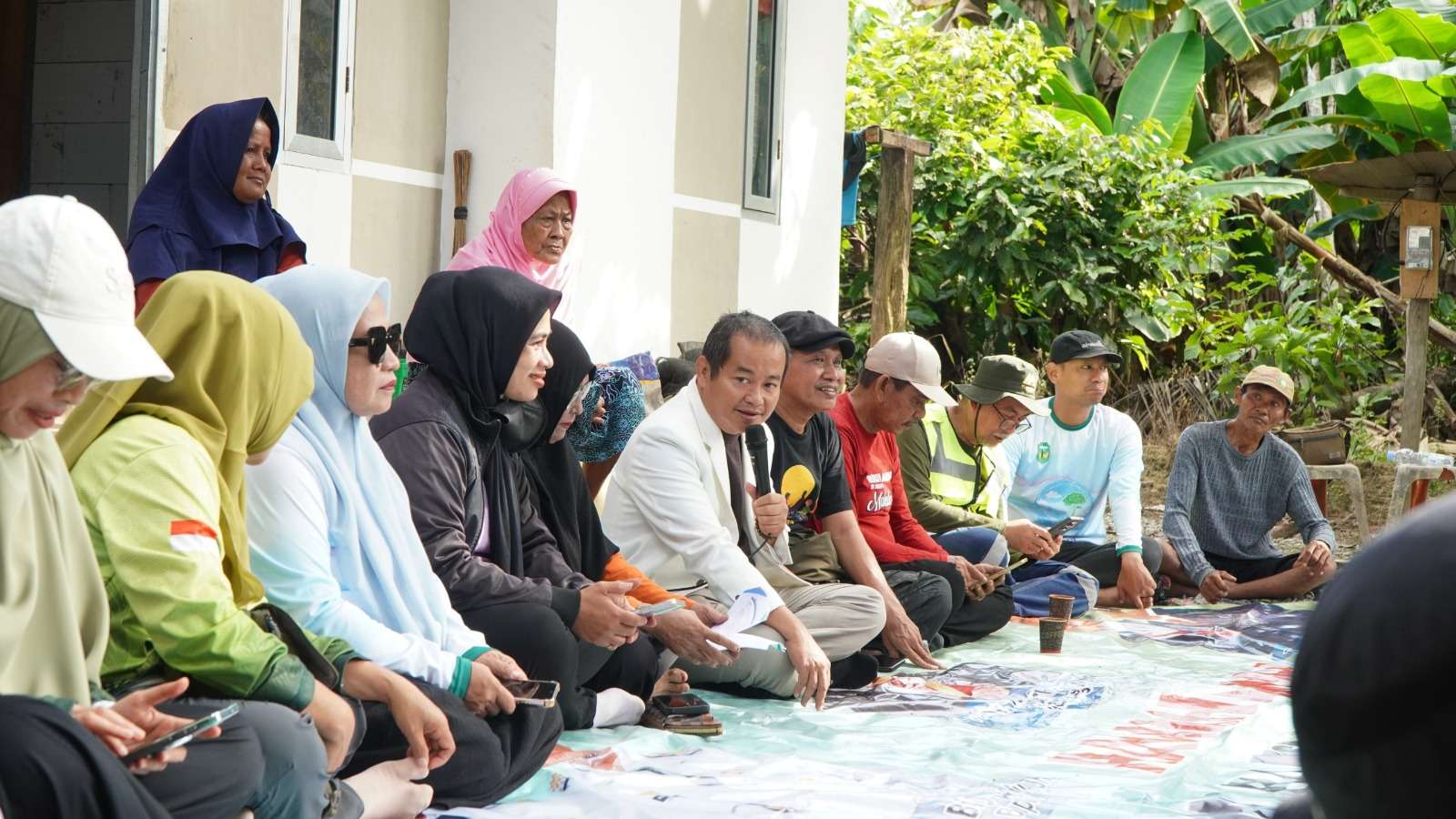
In June 2026, residents of Tamara Hamlet in Malela Village, Luwu Regency, gathered along one of the river’s most vulnerable stretches. The occasion was more than a ceremonial tree-planting event. It marked a powerful shift in how climate action is imagined and who gets to lead it.
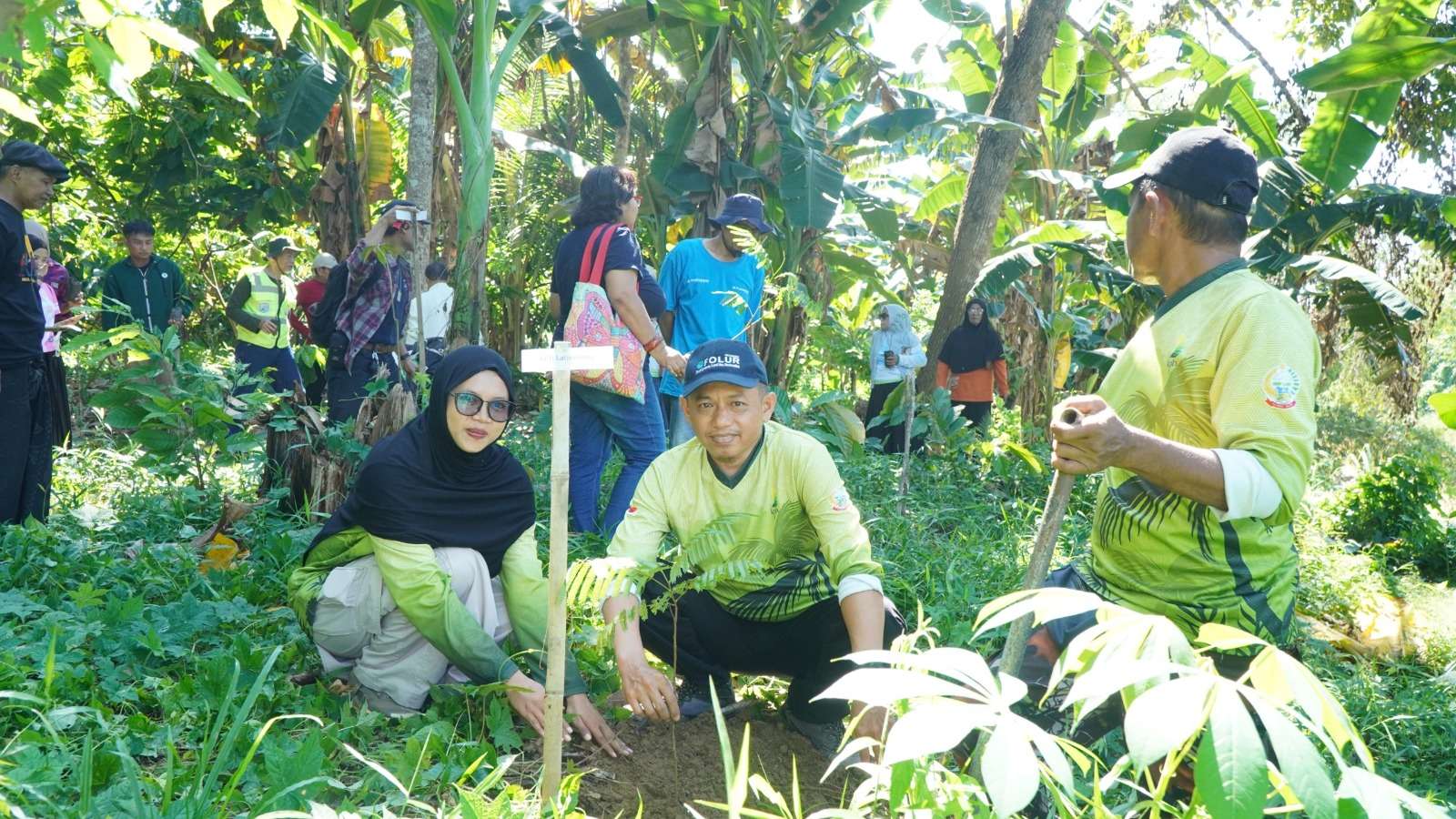
Under the banner “Aksi Nyata Disabilitas untuk Iklim” (Real Action by Disability for Climate), people with disabilities, local government officials, forestry experts, academics, and community leaders came together to restore degraded riverbanks and strengthen local resilience.
Yet the significance of the initiative extended far beyond environmental restoration.
It challenged one of society’s most persistent assumptions: that people with disabilities are merely victims of climate change rather than leaders in the solutions.
From Vulnerable Groups to Climate Leaders
For decades, environmental and disaster management policies have largely positioned persons with disabilities as recipients of protection. They are frequently included in emergency response plans, but rarely recognized as decision-makers, innovators, or environmental stewards.
The initiative in Luwu offers a different narrative.
Instead of waiting for assistance, members of the Indonesian Association of Persons with Disabilities (PPDI) took direct responsibility for climate mitigation efforts. Together, they planted more than 100 trees on community-managed land and along erosion-prone sections of the Suso River.
The message was clear: climate resilience cannot be achieved by excluding the very communities most affected by environmental risks.
By placing persons with disabilities at the center of action rather than the margins, the project demonstrated how inclusive leadership can produce stronger and more sustainable environmental outcomes. Their participation was not symbolic; it was practical, strategic, and deeply rooted in local realities.
“We want to show that friends with disabilities are ready to stand on the front lines to plant, care for, and voice climate justice,” said Basri Andang, Chair of PPDI South Sulawesi. “This activity is a space to bring together the perspectives of academics, government, environmental practitioners, the business world, and the disability community to find common solutions to various inequalities that still occur.”
The Unequal Burden of Climate Change
Climate change does not affect everyone equally.
Floods, landslides, droughts, and extreme weather events tend to hit the most vulnerable populations hardest. For persons with disabilities, these challenges are often intensified by barriers that remain largely invisible to policymakers.
The Luwu initiative highlighted several critical gaps that continue to undermine inclusive climate adaptation efforts.
Access to Information
Early warning systems are frequently designed without considering people with hearing, visual, or cognitive impairments. As a result, vital disaster information often fails to reach those who need it most.
Mobility and Evacuation Challenges
When rivers overflow or landslides occur, evacuation procedures can become life-threatening for individuals who require mobility assistance or accessible transportation.
Inadequate Emergency Services
Many emergency shelters and disaster response facilities still lack accessible infrastructure, adaptive equipment, and specialized support services needed by persons with disabilities.
These gaps reveal why climate justice and disability inclusion must be treated as inseparable goals. Effective climate adaptation requires systems that are designed for everyone, especially those most at risk.
Restoring the Lifeline of the Suso River
For the people of Malela Village, the threat posed by riverbank erosion is immediate and measurable.
According to Village Head Muharram, the village’s main suspension bridge originally stretched approximately 60 meters across the river. Today, due to years of erosion and abrasion, the bridge has been extended to nearly 100 meters.
The bridge is more than infrastructure. It is the primary access route for farmers reaching their agricultural land. Its survival is directly linked to local livelihoods and food security.
Recognizing this urgency, participants focused on practical, nature-based solutions rather than symbolic environmental gestures.
The intervention centered on planting species specifically selected for their ability to stabilize soil and strengthen riverbanks.
Sugar Palm (Aren)
Sugar palm trees possess deep and extensive root systems capable of binding soil layers together. Their roots function as natural anchors, reducing the risk of landslides and erosion.
Bamboo
Bamboo serves as a flexible yet resilient natural barrier. Dense bamboo stands help absorb the force of flowing water while protecting riverbanks from further degradation.
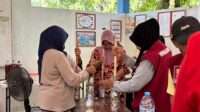
The symbolic handover of seedlings by Ir. Hasrul from the Latimojong Forest Management Unit (KPH) to Bakhtiar of PPDI Luwu and local community representative Yusri represented more than a ceremonial exchange. It marked the transformation of environmental policy into community-led action.
Building Climate Resilience Through Economic Independence
Beyond ecological restoration, the initiative introduced an equally important vision: economic empowerment.
According to Dr. Abdul Rahman Nur, Vice Rector IV of Andi Djemma University Palopo and a member of Indonesia’s National Forestry Council (DKN), environmental action must move beyond seminars and conference rooms.
The true test of commitment, he argues, lies in communities that directly experience environmental degradation.
“We have talked about the environment in meeting rooms and seminars too often,” Dr. Nur said. “What is interesting about this activity is that the discussion was carried out directly at the location that was once affected by a disaster. This shows that environmental concern must be realized in real action.”
Dr. Nur envisions disability-led organizations becoming managers of local nurseries and seedling centers. Such an approach would allow persons with disabilities not only to participate in environmental restoration but also to generate sustainable livelihoods through supplying seedlings for reforestation and conservation programs.
In this model, ecological restoration and economic independence grow side by side.
What emerges is a framework in which environmental stewardship becomes a pathway toward social inclusion, financial resilience, and community empowerment.
The Emergence of the “Luwu Model”
The initiative unfolding along the Suso River offers lessons that extend well beyond South Sulawesi.
At its core, the emerging “Luwu Model” combines three interconnected principles:
- Inclusive Climate Leadership – placing persons with disabilities at the center of climate action.
- Nature-Based Solutions – restoring ecosystems through locally appropriate environmental interventions.
- Economic Empowerment – creating sustainable livelihood opportunities through environmental stewardship.
Together, these elements challenge traditional approaches that separate social welfare from environmental policy.
The model demonstrates that climate adaptation is strongest when it is community-driven, inclusive, and economically viable.
Reimagining the Climate Hero
As global climate discussions increasingly focus on resilience, adaptation, and justice, the story from Malela Village offers a powerful reminder: some of the most effective climate leaders are often those who have been overlooked.
The people planting trees along the Suso River are not waiting to be rescued from climate change. They are actively shaping the future of their communities.
Their work challenges governments, development agencies, and environmental organizations to rethink who is included in climate decision-making and whose knowledge is valued.
The lesson from Luwu is simple yet profound.
Climate resilience is only as strong as its most inclusive link.
And if the world is searching for the heroes of climate action, it may find them not in international summits or policy forums, but on a vulnerable riverbank in South Sulawesi—where people once considered among the most vulnerable are quietly planting the foundations of a more resilient future.