

-
The Top Polluters: The US and China, the world’s biggest polluters, need to agree on radical action for the rest of the world to follow.
-
Domestic Coal: China, which burns 50% of the world’s coal domestically, has to phase it out much sooner than previously promised.
MARITIMEPOSTS.COM – This is what a 1.2-degree Celsius average global temperature increase looks like—and that is exactly where we are right now. If we carry on as we are, a 3-degree catastrophe awaits our species and all others.
This reality brings us to the massive climate summit in Glasgow during the first fortnight of November. Hosting 30,000 delegates, it is the biggest diplomatic event the UK has ever staged, and arguably the most important one humanity has ever put on.
Before diving in, let’s bust some jargon first, because there is plenty of it. We can start with the “Three Cs” that govern these global summits:
-
The Convention: The Convention on Climate Change was set up by the UN way back in 1992.
-
The COP: Every year, those member countries get together in a conference known as the COP—the Conference of the Parties.
-
The Contribution: Each time they gather annually at these summits, each country must put forward its big ideas and major promises, officially known as its Nationally Determined Contribution, or NDC.
Jargon apart, it is actually quite simple: we have the majority of the world’s leaders coming together to demonstrate that they are serious about dealing with this issue.
That is not an opportunity that is going to come back anytime soon. If we cannot take this remarkable chance to make real progress, then we have lost the vital opportunity that is right in front of us.
Reference
The Legacy of Paris and the Current Gap
In 2015, history was made in Paris when the world committed to holding climate change to 2 degrees, and ideally to 1.5 degrees, by 2050. The Glasgow summit serves as the crucial five-year “MOT” check-up—one that was delayed by a year due to COVID-19. The delegates do not have to agree on an entirely new deal; rather, they must commit to making the Paris Agreement work at last.
Right now, we are way off track. While a lot of countries have actually improved their individual commitments, the UN recently put out a report card where they added up all the global pledges.
Their findings showed that instead of reaching a situation in 2030 where emissions are almost halved, they are actually going to be 16% higher. We should be looking at a 45% cut, yet we are 16% up. It is exactly as crazy as it sounds, and it is a terrible problem.
Since that report came out, however, there have been some breakthroughs: new agreements on methane emissions, US funding for emerging economies to decarbonize, and China pledging to stop its investments in all foreign coal power plants. Even so, two more major things have to fall into place in Glasgow:
-
The Top Polluters: The US and China, the world’s biggest polluters, need to agree on radical action for the rest of the world to follow.
-
Domestic Coal: China, which burns 50% of the world’s coal domestically, has to phase it out much sooner than previously promised.
A Tale of Two Summits: Inside vs. Outside
So, what will actually happen? You should expect to see two different sides to the conference, both of them equally weird in their own way.
Inside the main venue, you have the accredited delegations—official government delegates from all around the world trying to negotiate a binding legal text. It is incredibly difficult work; they are literally arguing over the placement of commas and full stops.
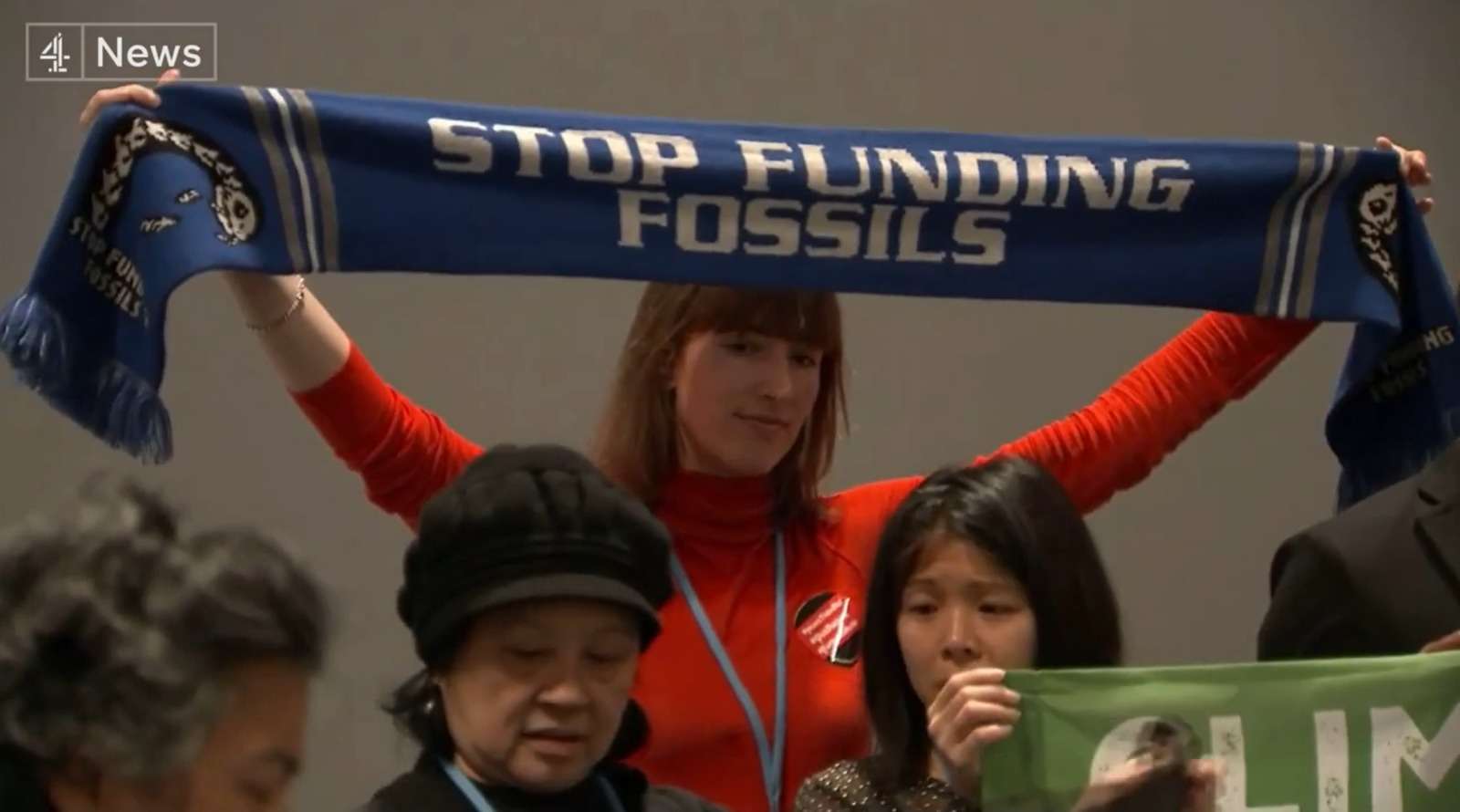
Outside, you have anybody and everybody who is interested in climate change. This includes representatives from practically every major company now, all wanting to come and make announcements about what they are doing. More importantly, it is outside the official negotiating rooms where we expect to see the big public announcements. This public-facing side of the gathering is a mix of stalls, leaders, demonstrations, greenwash, hogwash, facts, and definitely Greta Thunberg.
The Path Forward
Finding holistic solutions is what these international gatherings should be all about. Instead, they often seem to turn into an opportunity for countries to negotiate loopholes and avoid raising their ambition.
The nations of the world came together, decided on their trajectory, and committed to dealing with this issue back in 2015. What we need to see now is the ambition, the innovation, and the investment to back that promise up.
Some of that momentum comes from the negotiators, but honestly, most of it comes from heads of state making new commitments. It relies on leaders of major multilateral banks, CEOs of big companies, and mayors of major cities all coming forward, demonstrating their commitment, reaffirming what they are going to do, and showing how far they have come. Those actions are a massive part of what will make this gathering a success.
All of this effort is geared toward finalizing the rules to keep global heating within 1.5 degrees, and figuring out how to pay poorer countries to get there too.
It is a balancing act of 195 countries trying to find common ground between completely different points of view—ranging from small island nations that will literally go underwater at 2 degrees of warming, to heavily industrialized countries whose exports are completely dependent on selling fossil fuels. Those two vastly different entities have to find a common agreement that they can both live with. That is really hard.
It is a flawed and imperfect system for sure, but at the global government level, it is all we have—and it is all they have.