

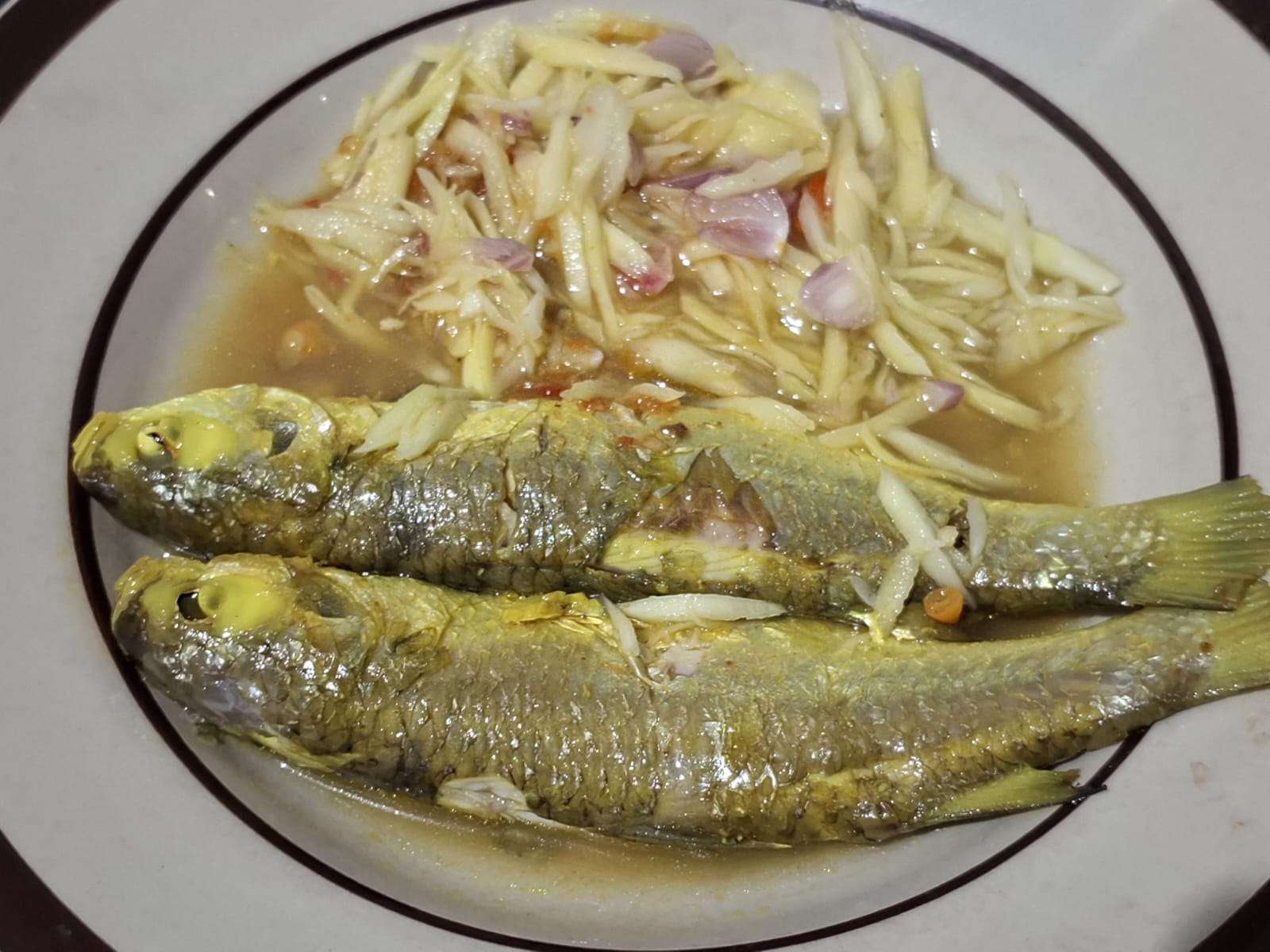
MARITIMEPOSTS.COM – There is something extraordinary about the fish we often take for granted.
Walk through almost any traditional fish market in Indonesia, and you will likely find ikan belanak neatly displayed alongside other popular seafood. It is affordable, nutritious, and familiar to millions of households. Yet beneath its ordinary appearance lies one of nature’s most remarkable stories of adaptation.
Unlike many marine species that spend their entire lives in saltwater, ikan belanak (family Mugilidae) effortlessly crosses the invisible boundary between the sea and freshwater. It is a traveler, a survivor, and an ecological bridge connecting coastal oceans, estuaries, and rivers.
Its journey offers valuable lessons—not only about evolution, but also about why healthy rivers and coastlines matter for food security and biodiversity.
A Sea Fish That Feels at Home in Rivers
Although ikan belanak is scientifically classified as a marine fish, it possesses an extraordinary ability to thrive in environments with dramatically different salinity levels.
Members of the Mugilidae family—including the Flathead Grey Mullet (Mugil cephalus) and the Otomebora Mullet (Moolgarda delicatus)—are frequently observed migrating into estuaries and freshwater rivers.
This remarkable flexibility makes mullets among the most resilient coastal fish in tropical and subtropical waters.
They inhabit the vast Indo-Pacific region, including Indonesian waters, the Philippines, and the South China Sea. While adults can be found in marine habitats reaching depths of around 120 meters, they are equally comfortable swimming through muddy river systems such as the Musi River in South Sumatra.
Few fish demonstrate such impressive tolerance to changing environmental conditions.
Rather than being restricted to one ecosystem, ikan belanak connects several of them, making it an important ecological link between the ocean and inland waterways.
Built for Life in Muddy Waters
Everything about the body of ikan belanak reflects millions of years of evolutionary refinement.
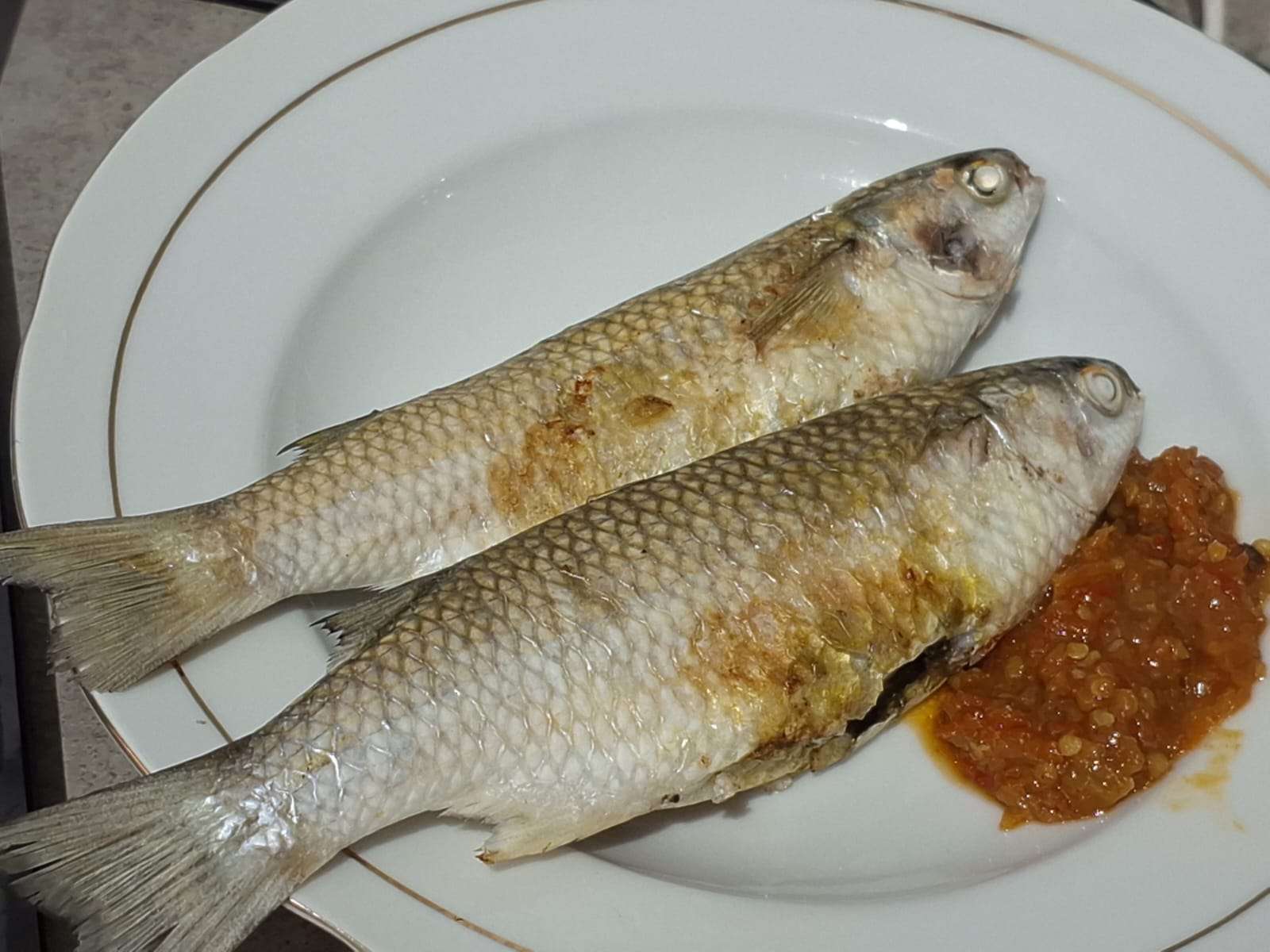
Its streamlined, torpedo-shaped body allows efficient swimming through both coastal currents and slow-moving rivers. Covered with bright silver scales that often shimmer under sunlight, the fish also displays a subtle pinkish tint along its underside. Some species are further distinguished by a distinct blue spot near the base of the pectoral fin.
Its most fascinating adaptation, however, is its mouth.
Unlike predatory fish equipped with sharp teeth, mullets possess a thick upper lip and only tiny teeth—or sometimes none at all. This is no evolutionary disadvantage.
Instead, these fish are specialized bottom feeders that consume algae, organic matter, microorganisms, and fine particles buried within muddy sediments. Their thick lips function like natural filters, allowing them to sift nutritious material from the riverbed with remarkable efficiency.
Nature, it seems, values specialization over spectacle.
A Nutritional Treasure Beyond the Dinner Table
For generations, ikan belanak has served as an important source of affordable protein across Indonesia. Modern nutritional science reveals that its value extends far beyond satisfying hunger.
Its flesh contains an impressive combination of nutrients essential for human health throughout every stage of life.
Among its most valuable components are omega-3 fatty acids, which support brain development, improve concentration, maintain healthy vision, strengthen immunity, and help reduce blood cholesterol levels. These benefits make the fish especially valuable for children during critical periods of cognitive development.
Its mineral content is equally significant.
Calcium and zinc contribute to healthy bone growth and maintenance. Selenium acts as a powerful antioxidant, helping protect cells against oxidative stress while supporting cardiovascular and eye health. Iron remains particularly important for women, especially during periods of increased physiological demand, while phosphorus and magnesium support metabolism and maintain skeletal strength.
For communities with limited access to expensive seafood, ikan belanak represents an accessible source of high-quality nutrition that can contribute meaningfully to public health.
A Remarkable Life Cycle Built on Survival
The reproductive journey of ikan belanak is every bit as remarkable as its habitat.
As an oviparous species, mullets reproduce by releasing eggs into coastal waters with relatively high salinity. These marine conditions provide the buoyancy and environmental stability necessary for successful egg development.
Once fertilized, the eggs drift freely with tides and ocean currents, beginning one of nature’s most uncertain survival journeys.
After hatching, tiny larvae must gradually migrate toward estuaries and river mouths, where calmer, nutrient-rich brackish waters provide safer nursery grounds. Many juveniles also grow within traditional fish ponds (tambak), where conditions offer greater protection from predators and harsh ocean environments.
Only a fraction survive to adulthood.
Those that do eventually return to the sea, continuing a life cycle that depends on healthy connections between rivers, estuaries, and coastal ecosystems.
Every disrupted mangrove, polluted estuary, or degraded river threatens this delicate migration and the future of entire fish populations.
Protecting an Extraordinary Everyday Fish
Despite its abundance, ikan belanak should never be mistaken for an ordinary fish.
Its ability to navigate multiple ecosystems, its specialized feeding adaptations, its exceptional nutritional value, and its remarkable reproductive strategy make it one of Indonesia’s most fascinating coastal species.
Because many regions—including parts of Sumatra and other Indonesian islands—continue to rely heavily on wild populations, sustainable fisheries management is essential. Conservation initiatives such as habitat restoration, estuarine protection, and responsible restocking programs can help maintain healthy populations for future generations.
Safeguarding ikan belanak ultimately means protecting far more than a single species.
It means preserving the rivers that feed our communities, the estuaries that nurture young fish, and the coastal ecosystems that sustain both biodiversity and livelihoods.
The next time a silver mullet glides through the muddy waters of a river mouth, it may be worth pausing to appreciate the extraordinary journey hidden beneath its familiar appearance—a journey that reminds us that some of nature’s greatest wonders are often the ones we overlook.
(mp)