
Under the provisions of the United Nations Convention on the Law of the Sea (UNCLOS) and the United Nations Fish Stocks Agreement (UNFSA), the management of highly migratory tuna stocks is carried out through cooperative mechanisms within Regional Fisheries Management Organizations (RFMOs).
PELAKITA.ID — Indonesia’s Ministry of Marine Affairs and Fisheries (MMAF) is continuing to strengthen the country’s fisheries diplomacy at both the regional and international levels.
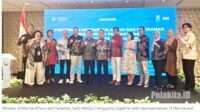
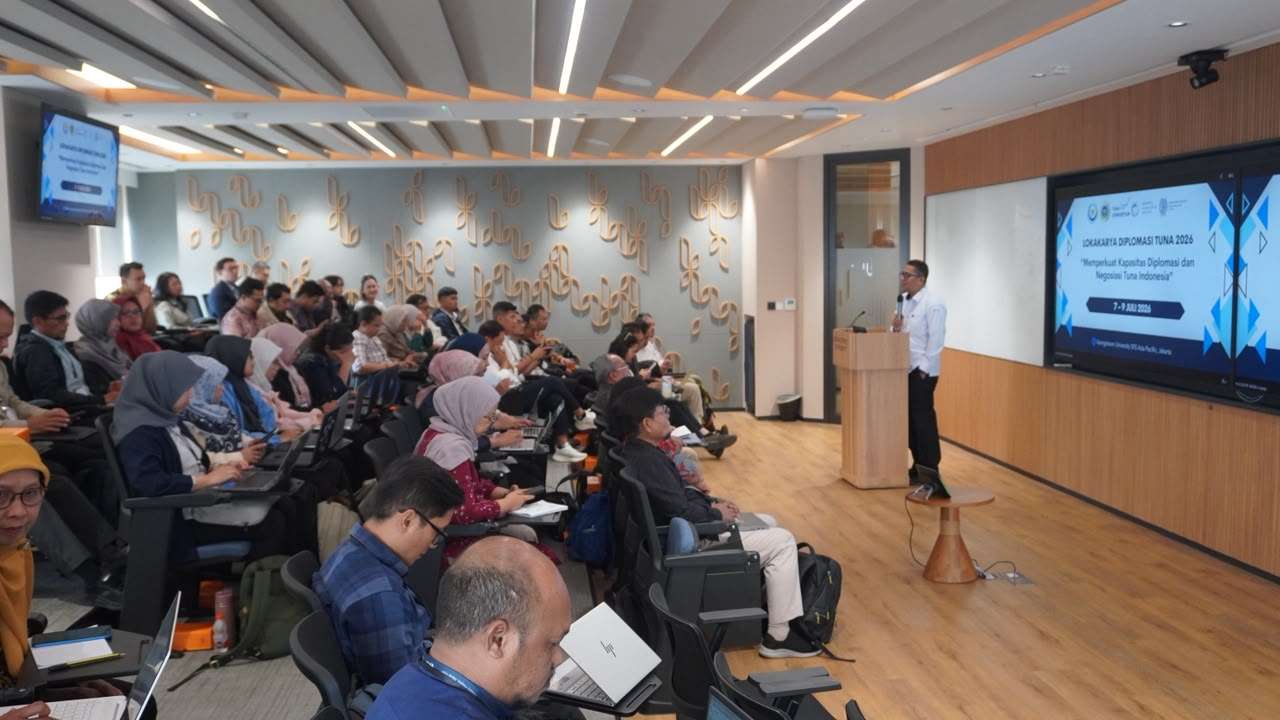
In collaboration with the Ministry of Foreign Affairs and the Indonesia Tuna Consortium, the MMAF launched a Tuna Fisheries Diplomacy Workshop at Georgetown University SFS Asia Pacific in Jakarta on Tuesday (July 7, 2026).
The initiative represents a strategic effort by the Indonesian government to prepare competent and resilient delegates capable of advancing the country’s national interests during negotiations within various Regional Fisheries Management Organizations (RFMOs).
The workshop serves as a capacity-building platform involving government officials, academics, and stakeholders from Indonesia’s tuna fisheries sector.
Throughout the program, participants receive comprehensive training covering scientific aspects of tuna fisheries, international legal and policy frameworks, as well as diplomatic and negotiation strategies.
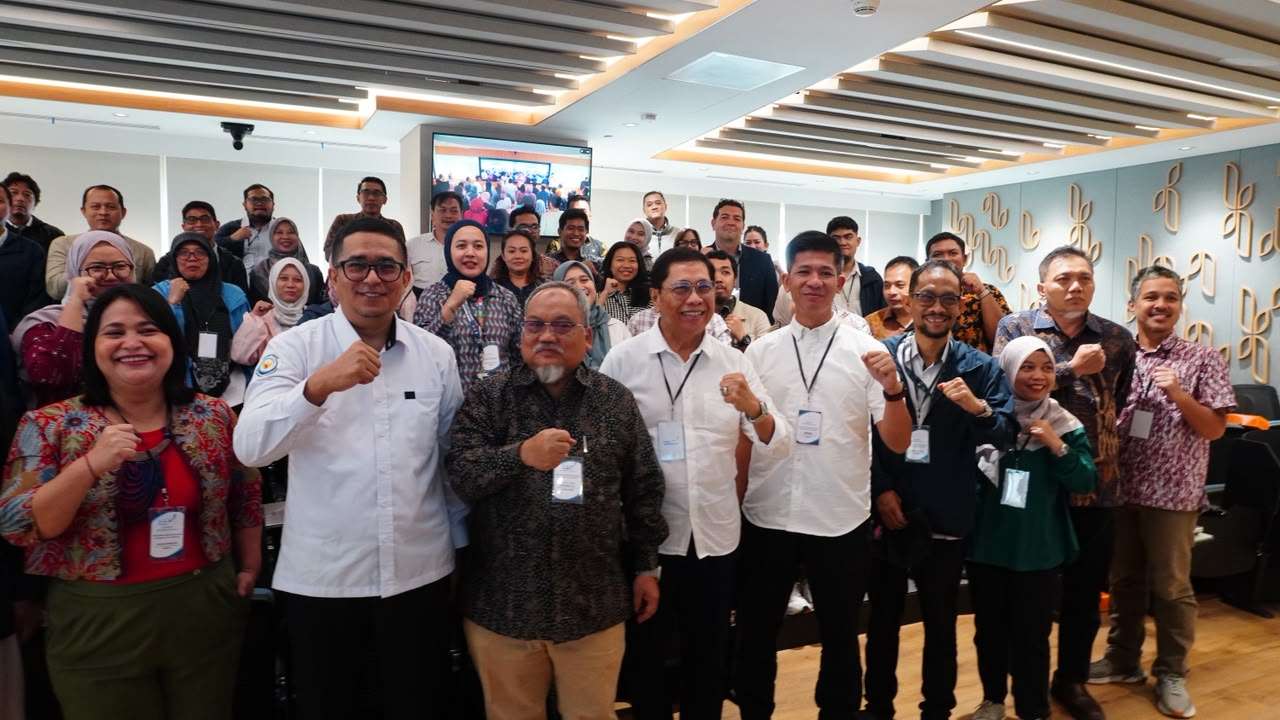
The training is delivered through several stages, including online pre-course sessions, intensive classroom training and expert discussions, and negotiation simulations designed to replicate the atmosphere of actual RFMO meetings.
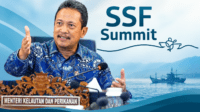
Opening the workshop, Syahril Abd Raup, Director of Fish Resource Management at the MMAF, emphasized that diplomatic and negotiation skills are critical to Indonesia’s success in regional fisheries forums.
“Under the provisions of UNCLOS and the United Nations Fish Stocks Agreement (UNFSA), the management of highly migratory tuna resources is conducted through cooperative mechanisms within Regional Fisheries Management Organizations (RFMOs),” Syahril said.
He further stressed the importance of developing adaptable and capable delegates.
“Indonesia therefore needs delegates who not only possess strong technical expertise in fisheries management, but also robust diplomatic and negotiation skills to effectively safeguard our national interests,” he said.
As a developing coastal state with vast marine territory and an economy that depends significantly on marine resources, Indonesia has both constitutional and international rights to participate fairly in the utilization of tuna resources.
In a separate statement, Lotharia Latif, Director General of Capture Fisheries, underscored that these rights must be secured through effective diplomacy to ensure equitable access to tuna resources while promoting sustainable fisheries management for future generations.
To further strengthen participants’ diplomatic capabilities, the workshop also featured a special master class delivered by Indonesia’s Vice Minister of Foreign Affairs, Havas Oegroseno, on Wednesday (July 8, 2026).
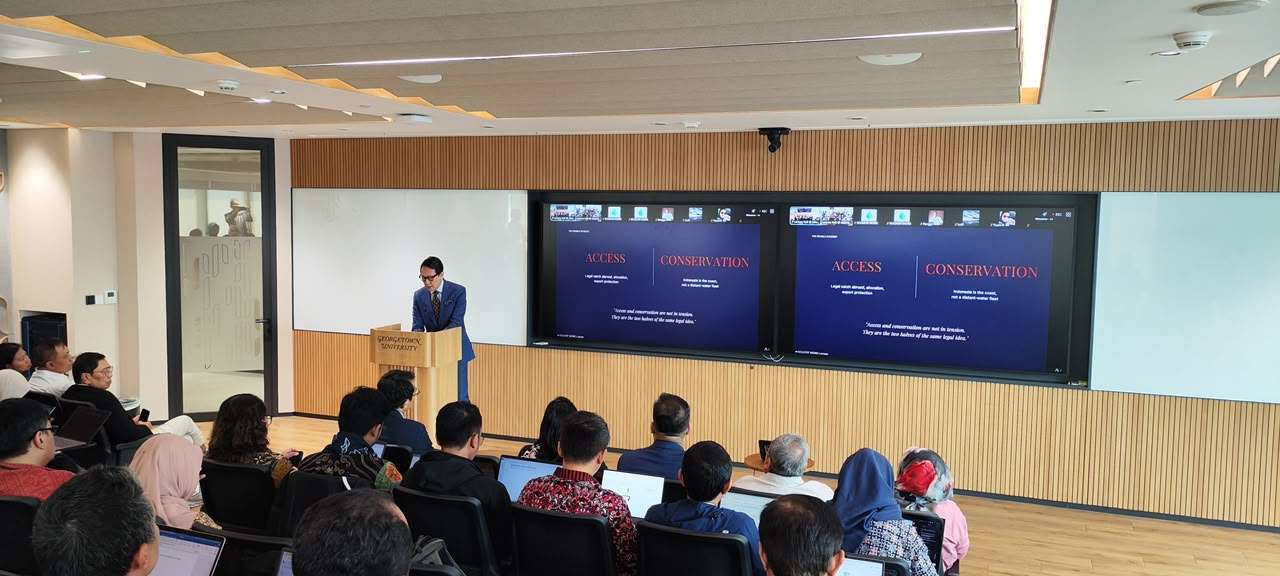
The session, titled “Power Dynamics in RFMOs and Coalition Building,” explored tactical approaches to forming strategic alliances and advancing Indonesia’s national interests in multilateral fisheries negotiations.
Through this intensive workshop, the government aims to enhance coordination among key stakeholders, improve the lobbying and negotiation capacity of Indonesian delegates, and develop comprehensive strategies to safeguard the country’s fisheries sovereignty in the global arena.