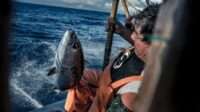

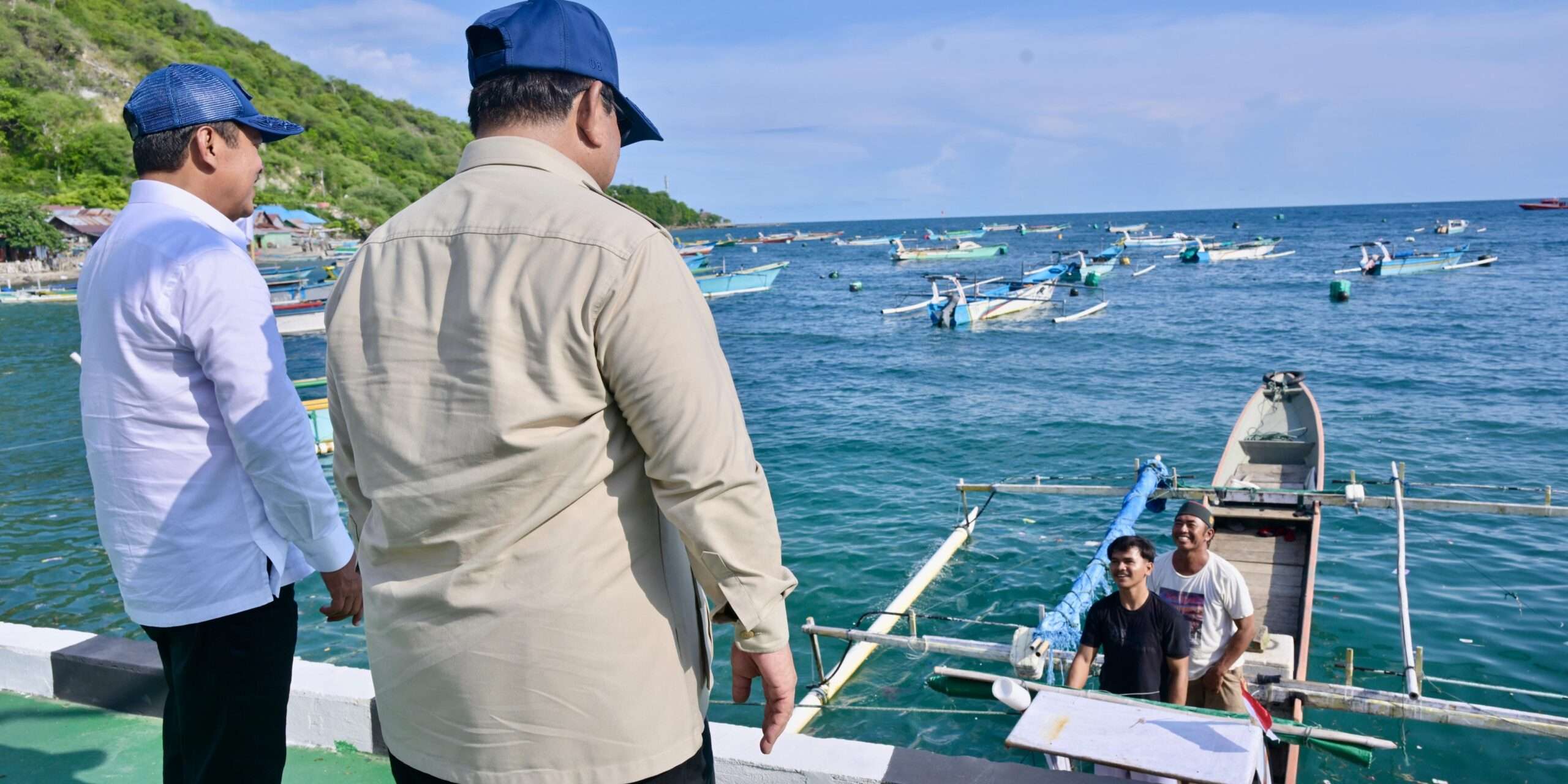
MARITIMEPOSTS.COM – For decades, Indonesia’s maritime horizon has been dominated by the silhouettes of small traditional wooden fishing boats under 5 GT.
These aging vessels have not merely been fishing tools; they have symbolized the limited reach and economic vulnerability of coastal communities trapped in subsistence fisheries.
But as of May 2026, a new narrative is being written. The Indonesian government is no longer talking about incremental improvements, but rather a quantum leap through massive fleet modernization.
This is a systematic effort to transform Indonesia’s seas from arenas of marginal survival into a cornerstone of the national blue economy through fundamental technological and institutional transformation.
More Than an Upgrade: The Revolution of 1,582 Modern Fishing Vessels
Through the Ministry of Marine Affairs and Fisheries, the Indonesian government has launched a historic initiative targeting the construction of 1,582 modern fishing vessels, to be completed gradually by 2028. As a concrete first step, the initial phase in 2026 focuses on completing 50 modern vessels to ensure supply-chain readiness and technical standardization.
Of the total project, 1,000 vessels will be 30 Gross Ton (GT) fishing boats. In public policy terms, the 30 GT category represents the “sweet spot” for fishermen to move up the economic ladder. B
oats of this class have the endurance to stay at sea for weeks, are equipped with advanced cold chain systems, and can reach Indonesia’s Exclusive Economic Zone (EEZ). This is key to shifting fishing pressure away from overexploited coastal waters toward offshore fisheries, in line with global blue economy principles.
“I am often mocked — Prabowo this, Prabowo that — but I have no hesitation. For our people, I have no hesitation. Starting this year, we will build 1,582 fishing vessels,” President Prabowo Subianto declared while announcing the commitment before coastal communities.
National Pride: “Made in Indonesia” as a Non-Negotiable Principle
This grand vision will not rely on imported vessels. All 1,582 boats will be produced entirely in domestic shipyards. From a policy perspective, this is a brilliant multiplier-effect strategy. The policy does not merely provide production tools for fishermen, but also injects new energy into Indonesia’s maritime industry, which has long lacked large-scale orders.
Domestic production will create new jobs for thousands of technicians, welders, and naval engineers. More importantly, it is about technological sovereignty.
By building the vessels locally, Indonesia is developing fishing-vessel designs tailored to the characteristics of the archipelago’s waters, while proving that national shipyards are capable of producing internationally certified vessels.
A Signal from London: Why Prime Minister Keir Starmer Is Betting on Indonesia’s Fishing Fleet
Indonesia’s maritime modernization is no longer merely a domestic issue; it has become part of high-level maritime diplomacy. The most striking international support has come from London.
During an official state visit in early 2026, British Prime Minister Keir Starmer explicitly expressed support for the construction of 1,500 Indonesian fishing vessels through bilateral maritime cooperation.
The meeting at Downing Street between President Prabowo Subianto and PM Keir Starmer served as an important validation.
Support from a developed country like the United Kingdom signals global recognition that Indonesia’s shipbuilding standards and fisheries management reforms are meeting international expectations. This is not merely technical assistance, but an indication that Indonesia is ready to become a key player in the sustainable global fisheries supply chain.
Kampung Nelayan Merah Putih (KNMP): Integrated Human Capital and Infrastructure Transformation
The vessel modernization program is fully integrated with the development of Kampung Nelayan Merah Putih (KNMP), or Red-and-White Fishermen Villages. Building on the 2025 evaluation, which completed 65 out of 100 targeted locations, KNMP now functions as a comprehensive support ecosystem. This approach goes beyond merely providing physical assistance by addressing the most crucial aspect: human capital development.
KNMP is now equipped with:
- Human Resource Training Centers: Partnerships with fisheries schools to train crews in navigation systems and the operation of modern 30 GT vessels.
- Processing Facilities: Post-harvest infrastructure to ensure catches gain higher added value before reaching the market.
- Integrated and Decent Housing: Ensuring the welfare of fishermen’s families onshore while fishermen spend extended periods at sea.
Cooperatives: The Key to Making Fishermen “Main Actors,” Not Spectators
To ensure the vessels are distributed effectively and do not end up abandoned, the government has designated fishermen’s cooperatives as the main pillar of distribution. This strategy requires fishermen to transform from isolated individuals into professionally organized business groups. Through cooperatives, fishermen gain stronger bargaining power in the market and easier access to financing.
Professionalism is further emphasized through strict standardization. Boats are no longer built haphazardly, but through certification processes that guarantee crew safety and operational quality for offshore fishing.
“Shipbuilding must fully meet technical requirements and be carried out professionally while complying with proper and certified construction standards. We must prepare everything — from design, raw materials, and supporting equipment to the readiness of the shipyards that will build them,”
said Lotharia Latif, Director General of Capture Fisheries.
Conclusion: Imagining the Face of Indonesia’s Seas in 2028
By 2028, the presence of 1,582 modern fishing vessels could mark the end of an era in which fishing was merely about survival. Imagine ports in KNMP areas filled with 30 GT vessels, managed by independent cooperatives and operated by skilled maritime-school graduates. This is a roadmap toward dignified maritime industrialization.
The transformation has begun and is moving rapidly. Yet one major challenge remains: once the modern fleet and supporting infrastructure are in place, can Indonesia maintain consistent policies to truly become a sovereign global maritime axis — or will it once again fall into the role of merely supplying raw materials for other nations?
Editorial Team