

By Kamaruddin Azis
Founder of Pelakita.ID
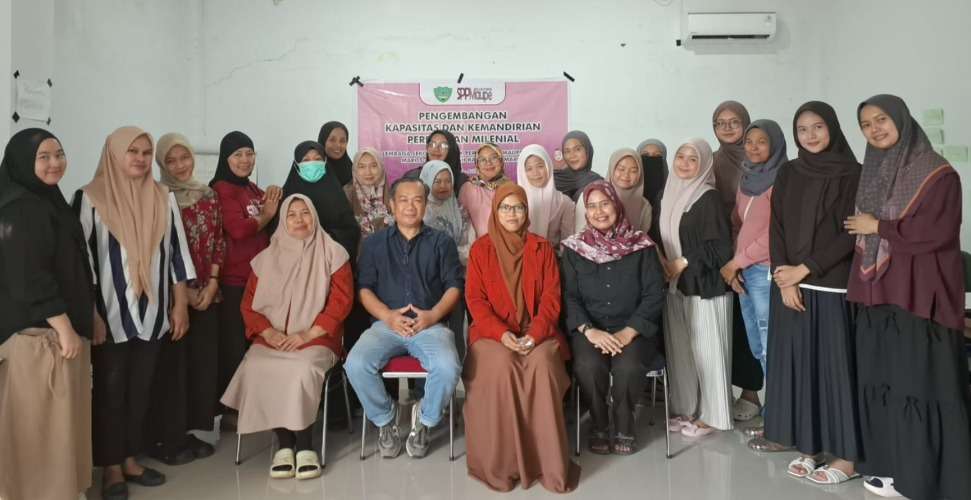
Presentation at the Maros Women’s Political School (SPPM), 27 June 2026
MARITIMEPOSTS.COM – Indonesia stands at the heart of an unprecedented digital transformation. Today, more than 220 million Indonesians are connected to the internet.
While this impressive figure reflects remarkable technological progress, it often obscures a more fundamental question: how does digital technology truly improve the daily lives of women in rural communities—from homemakers and Posyandu volunteers to PKK leaders and members of local religious groups?
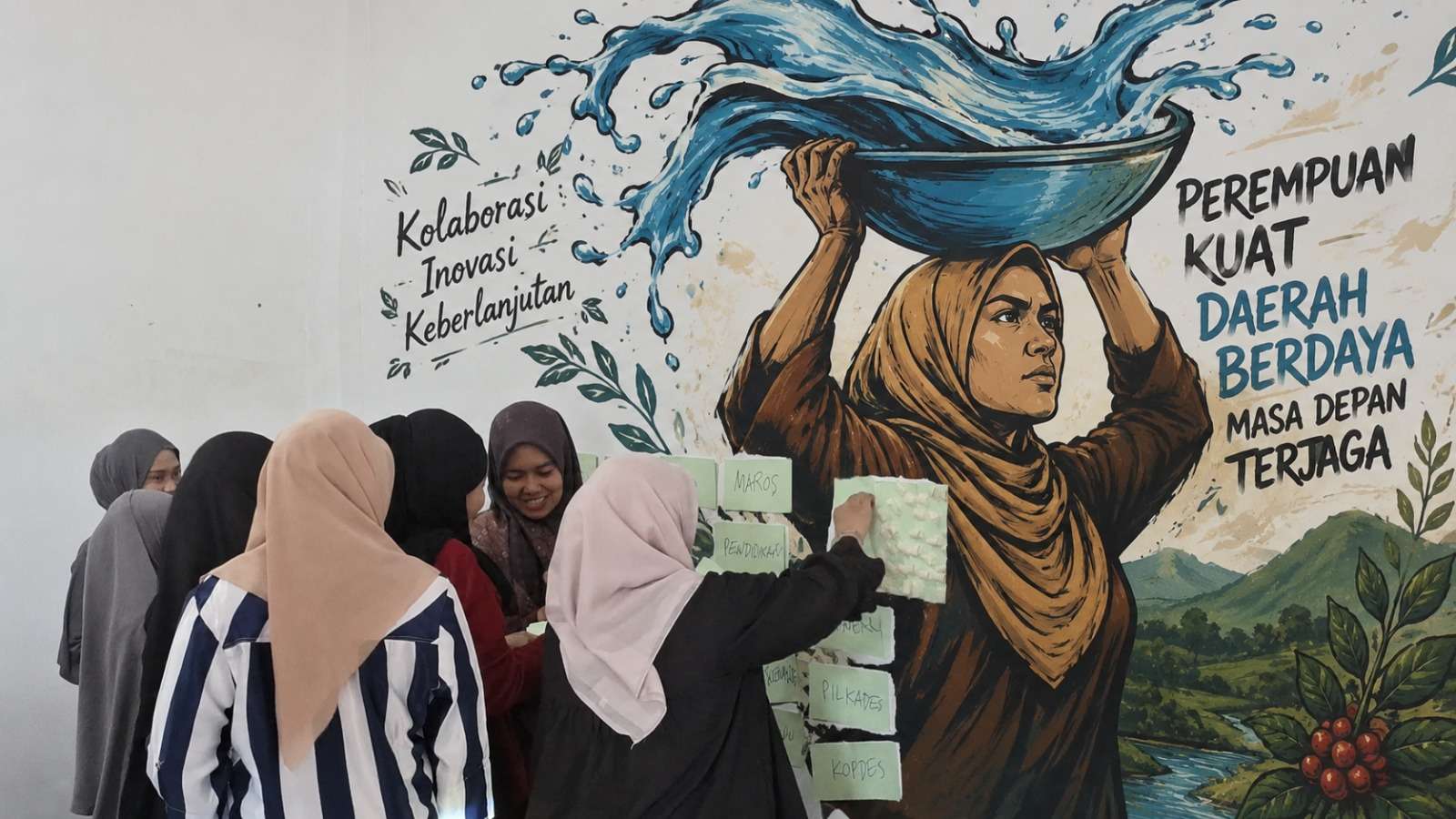
In Maros Regency, digital literacy has evolved far beyond being merely a technological trend. It has become a strategic instrument for addressing social challenges and strengthening women’s leadership through the initiatives of the Maros Women’s Political School Foundation (SPPM), formerly known as Maupe.
Repositioning Social Media as a Platform for Advocacy
One of the most significant shifts taking place is the changing perception of social media itself.
Since 2012, through continuous mentoring supported by TIFA Foundation, women in Maros have gradually repositioned digital platforms from spaces of entertainment into platforms for civic participation and social advocacy.
Social media is no longer viewed simply as a place for sharing personal stories or promoting small businesses. Instead, it has become an important public arena where women can participate in discussions about public policy, advocate for community interests, and amplify voices that have traditionally been overlooked.
Participants of previous SPPM cohorts have already demonstrated how digital literacy complements real-world political engagement.
Together with women’s groups across several villages, they have participated in Public Hearing Sessions (Rapat Dengar Pendapat/RDP) with the Maros Regional House of Representatives (DPRD), using digital platforms to strengthen advocacy for village development and ensure women’s perspectives are represented in policymaking.
Recognizing these achievements and future challenges, SPPM launched its 2026 Women’s Political School in collaboration with the Maros Regency Government, focusing particularly on the millennial generation.
Escaping the Digital Echo Chamber
Despite its enormous opportunities, the digital world also presents serious risks.
One of the greatest dangers is the echo chamber—a condition where social media algorithms continuously expose users only to information they already agree with.
Imagine wearing a pair of “digital horse blinders.” Algorithms monitor every click, every search, and every interaction, then repeatedly deliver similar content. Gradually, users become less exposed to alternative viewpoints and more vulnerable to misinformation.
At the same time, the rapid expansion of social media has been accompanied by increasing cases of online harassment, cyberbullying, and attacks targeting individuals as well as communities.
Without critical thinking, these algorithmic systems can accelerate the spread of misinformation through village WhatsApp groups, deepen social polarization, and weaken community cohesion.
Understanding how algorithms work is therefore the first step toward removing these “digital blinders” and developing a broader, more objective perspective of the online world.
For this reason, “Social Media and Millennial Women” was selected as one of the key learning modules in this year’s SPPM curriculum.
From Consumers to Creators
During the session, Kamaruddin Azis, Founder of Pelakita.ID, emphasized that women should no longer see themselves merely as passive consumers of digital content. Instead, they should become active creators who produce information that educates, inspires, and empowers others.
Having accompanied SPPM participants since its first cohort in 2013, he reflected on more than a decade of community learning and proposed a new way of measuring success in the digital age.
“Success is no longer measured by the number of followers or likes we receive, but by how much the information and ideas we share genuinely benefit other people.”
— Kamaruddin Azis, Founder of Pelakita.ID
Redefining Success in the Digital Era
According to Kamaruddin, society must rethink the meaning of success. The relentless pursuit of online popularity often creates unnecessary psychological pressure and unhealthy social comparisons.
For women leading change in rural communities, genuine success should instead be measured by social impact.
A social media post becomes meaningful when it educates families about public health, helps promote local entrepreneurs, encourages participation in village deliberations, or inspires collective action for community development.
These tangible contributions are far more valuable than thousands of empty “likes.”
Four Pillars of Digital Literacy
To become confident and responsible digital creators, women need both protection and capability. Four essential pillars of digital literacy were highlighted during the session:
1. Fact Verification
Developing critical thinking skills to verify information before sharing it, helping break the chain of misinformation within communities.
2. Digital Ethics
Practicing empathy, respect, and responsible communication to create healthier online interactions and prevent cyberbullying.
3. Cybersecurity Awareness
Protecting personal information while recognizing digital scams and online fraud that increasingly target rural communities.
4. Responsible Use of Artificial Intelligence (AI)
Using AI as a creative assistant for content creation, communication, and data management, particularly useful for women balancing community leadership with domestic responsibilities.
Social Media Is a Bridge, Not the Destination
Ultimately, social media is only a tool. Its value depends entirely on how people choose to use it.
The long journey of SPPM Maros—which has produced more than 1,000 graduates—demonstrates that digital literacy is not simply about mastering technology. It is about strengthening women’s leadership, expanding access to knowledge, supporting local economies, and sustaining community-driven development.
When used wisely, digital platforms become bridges that connect ideas, communities, and opportunities for future generations.
Today, the responsibility rests with the women of Maros. The real question is no longer whether they are connected to the digital world, but how they will use that digital space to create meaningful and lasting change for the communities they serve.