
Waste management runs smoothly because the system is designed seriously and people follow it responsibly. Environmental awareness is not merely a slogan; it has become part of everyday culture.
MARITIMEPOSTS.COM – The journey from Makassar to Melbourne took at least 11 hours by plane. The route was long: Makassar–Jakarta–Sydney–Melbourne Tullamarine.
Exhausting, of course. Yet it was during that long journey that I began to realize that every city has its own way of treating people. And Melbourne, to me, feels like a city built with the awareness of making human life more dignified and livable.
I departed from Makassar on the afternoon of May 11, 2026, together with three remarkable journalists: Suriani Mappong from Antara, Alfian from Tribun Timur, and Irmawaty Puan Mawar from Tempo, who has more than 15 years of experience.
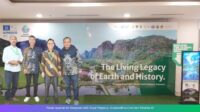
We came to attend a Climate Reporting workshop at the Caulfield Campus of Monash University alongside Australian journalists and the PAIR Australia research team, which is currently studying renewable energy, seaweed, sanitation, and healthcare services for vulnerable communities.
One of the first small things that impressed me appeared in the early days of the trip. I did not bring Australian dollars in cash because I trusted that my Indonesian ATM card would work there. And it did.
Using my Mandiri ATM card, I was able to buy necessities at 7-Eleven — bananas, chocolate, instant noodles, and fruit juice. The system worked so simply and efficiently.
There was no panic, no unnecessary complications.
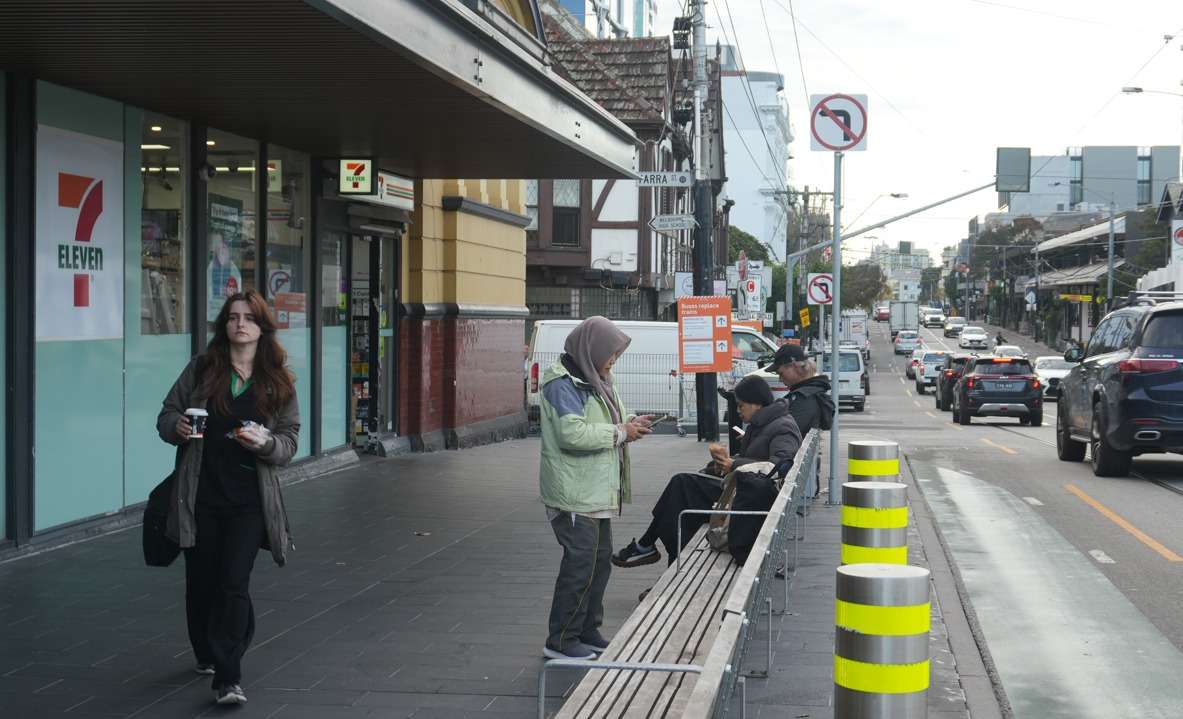
We stayed at Punthill Apartment, only about three minutes away from South Yarra Station. At that station, I often sat quietly for quite a while, simply watching people pass by.
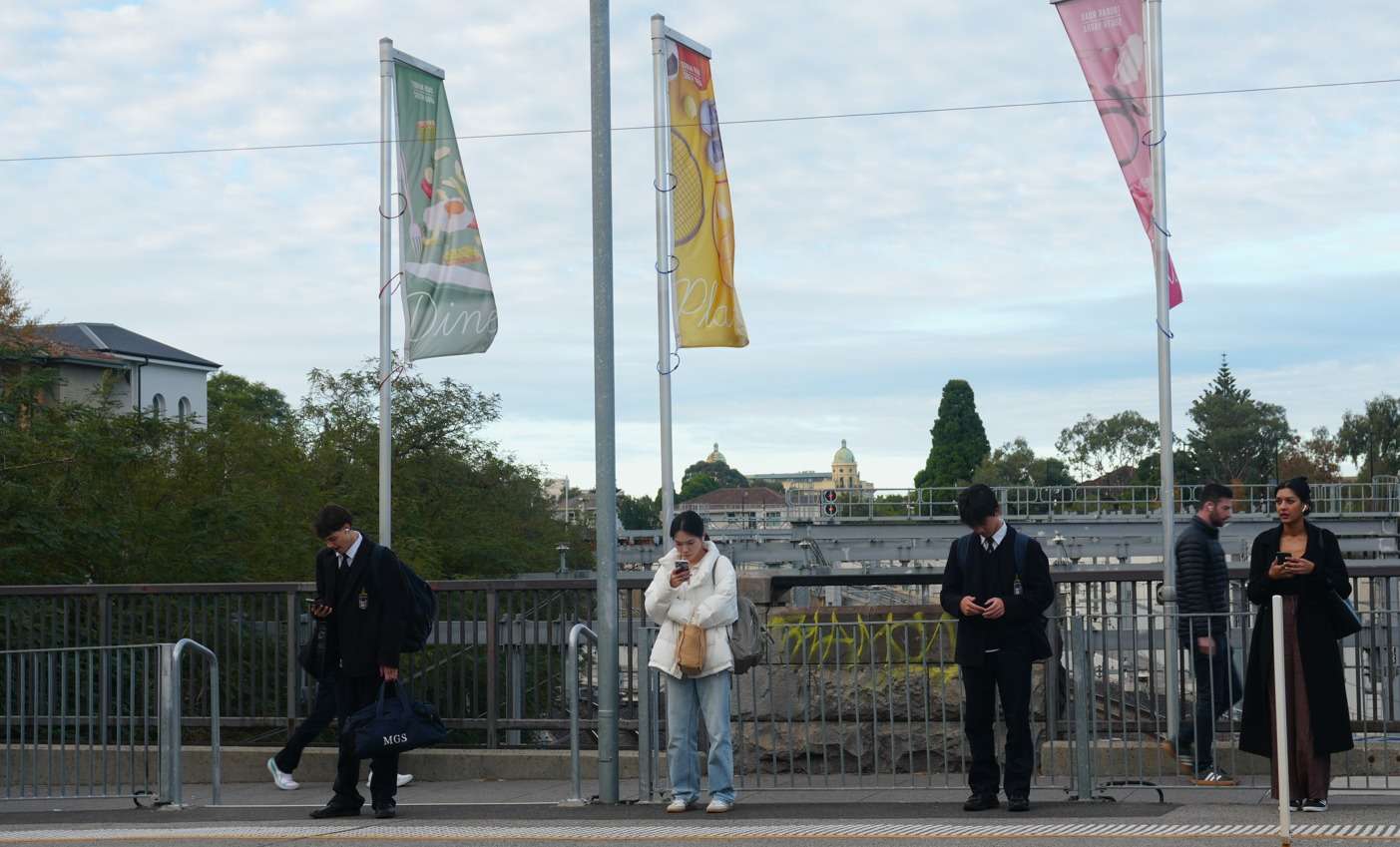
Different skin colors, clothing styles, languages, and expressions blended together without chaos. People moved quickly yet remained orderly. There were very few car horns. Very little anger on the streets.
The city seemed to move forward without people needing to attack one another.
I had long heard about Melbourne as a city of culture, diversity, and cleanliness from my late friend, Lily Yulianti Farid. The late 2000s were the years when I listened to her stories about cultural initiatives, democracy, and the role of women in various fields.
Lily, who was also my writing mentor, wrote several poems and inspiring stories about the city of Melbourne that she deeply admired. It is also in this city that she was laid to rest.
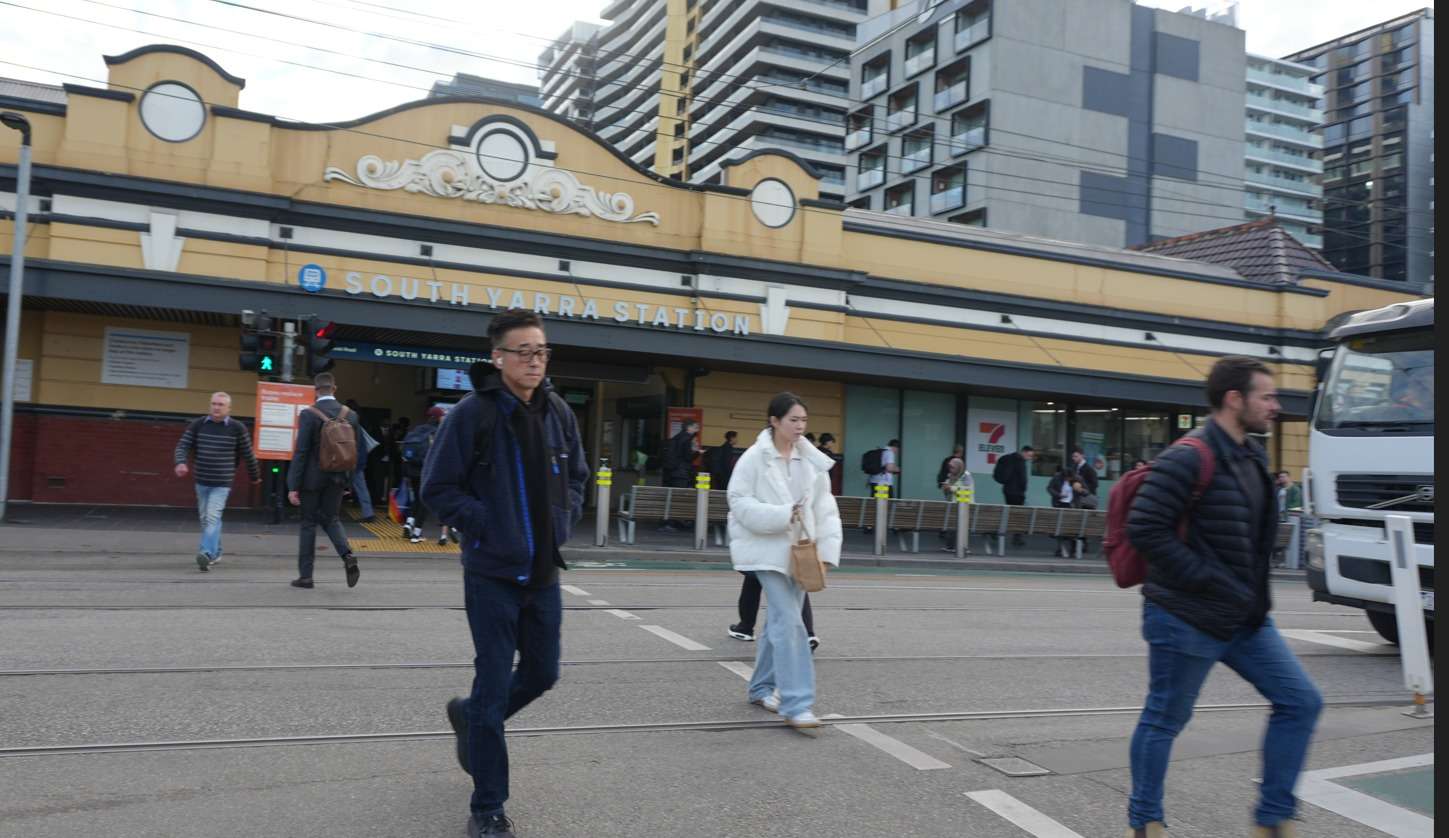
Melbourne taught me that civilization can actually be seen in simple things. People queue without cutting in line.
Trains arrive clean and on time, without the overcrowded atmosphere often found in major Asian cities.
Passengers allow others to get off first before boarding. Even pedestrians are deeply respected. Cars stop when someone wants to cross the street.
Such a small habit, yet it reflects profound respect for fellow human beings.
The city also demonstrates a healthy relationship between people and their living environment.
Parks are beautifully maintained. Rivers appear clean. Sidewalks are comfortable to use. Trash bins are available everywhere — small, medium, large, organic, and non-organic.
Waste management runs smoothly because the system is designed seriously and people follow it responsibly. Environmental awareness is not merely a slogan; it has become part of everyday culture.
I was also impressed by how animals are treated. Dogs walk freely with their owners in parks, sidewalks, and even near stations. From small poodles to large Dobermans, they all appeared calm and well cared for.
There was no excessive fear, no harsh treatment.
There seemed to be a warm relationship between humans and other living beings. Perhaps civilization can indeed be measured by how a society treats those who are weak and voiceless.
That morning, I witnessed something that felt both disgusting and admirable at the same time — proof that people can be incredibly considerate. A woman wearing plastic gloves carefully picked up the dog waste left by the dogs she was walking right near the gate of South Yarra Station. She had two dogs that looked like twins. With quick and practiced movements, she collected the waste and placed it neatly into the bag she carried with her. It was quite fascinating to watch.
Monash University’s Caulfield Campus also left a deep impression on me. My friend Helen Brown said that although this may not be the largest campus, it serves as an example of an educational space that is welcoming to everyone.
Open parks, discussion spaces, public facilities, and recreational areas are all thoughtfully provided. The campus is not merely a place to study, but a comfortable living space for thinking, dialogue, and exchanging ideas.
Of course, Melbourne is not a city without problems. The cost of living is high. A cup of coffee or a simple meal can make Southeast Asians think twice.
Yet behind those costs lies a very real quality of life: public transportation that works, safe public spaces, organized laws, efficient services, and respect for fellow human beings.
The city feels modern not merely because of its buildings, but because its people have learned to live with social discipline and empathy.
I also cannot forget my impressions of Melbourne Tullamarine Airport and Sydney Airport.
Everything felt orderly, clean, and calm. I did not see passengers sleeping carelessly across chairs or placing their belongings recklessly in waiting areas.
People seemed to understand the boundaries of public space and respect shared comfort. Modernity, it turns out, is not only about technology, but also about a culture of mutual care.
This journey made me realize that a developed city is not merely a city with tall buildings and a large economy. A truly advanced city is one where people feel respected.
Melbourne shows that an organized, clean, environmentally conscious, and deeply humane way of life is not an impossible dream. It can be built — when governments function well, citizens practice discipline, and human values are placed at the center of urban life.
Unfortunately, as someone from Galesong, I did not have the chance to meet the ‘Gerombolan Bugis’ community in Melbourne. I have many friends here, but because the schedule was so tight, I did not have time to visit their homes — or for them to visit mine.
___
Written by K. Azis
Tamarunang, 24 May 2026