

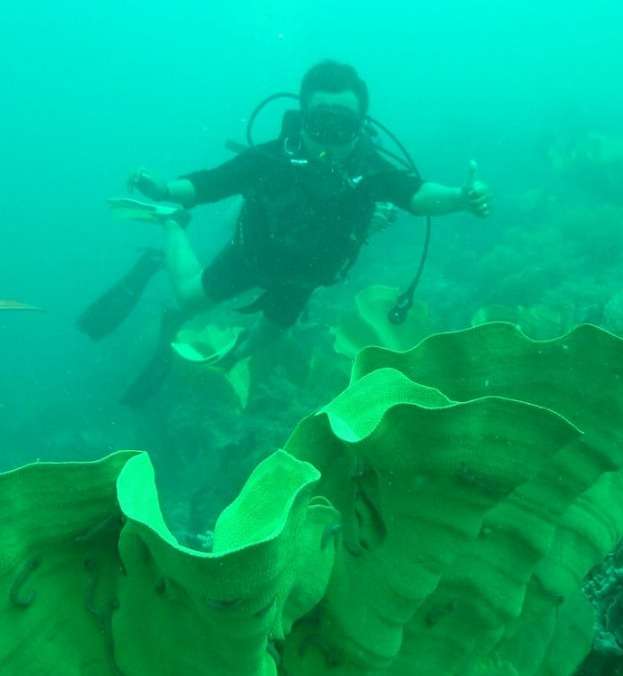
He immediately noticed something was wrong and helped stabilize the situation. His presence became the difference between panic and safety. In diving, a good buddy is not merely a companion — they can become your guardian underwater.
Small Lessons from Panic Beneath the Sea
MARITIMEPOSTS.COM – The sea always looks calm from the surface. Blue, inviting, and full of beauty. But beneath that beauty, diving also teaches discipline, preparation, and humility. One small mistake underwater can quickly turn into panic.
I learned that lesson the hard way when I was in Taka Bonerate National Park in Selayar District, South Sulawesi Province.
At the time, I joined a diving session with friends. Everything felt normal at first. The excitement of entering the water often makes divers forget that comfort and safety equipment are not small matters.
I made a careless decision: I forced myself to wear a wetsuit that was too small for my body.
It belonged to a younger diver from around 2012, but because I did not have another option, I insisted on wearing it.
That decision nearly ruined the dive.
As I descended and later tried to return to the surface, I suddenly felt tightness in my chest. Breathing became uncomfortable.
The wetsuit pressed too tightly against my body, restricting movement and making panic slowly creep into my mind. Underwater, panic is dangerous. Once breathing becomes irregular, fear spreads quickly.
Fortunately, I was not alone.
My dive buddy at the time was Rizal, the chairman of MSDC, a calm and experienced diver.
He immediately noticed something was wrong and helped stabilize the situation. His presence became the difference between panic and safety. In diving, a good buddy is not merely a companion — they can become your guardian underwater.
That experience taught me several important lessons that every diver, especially beginners, should remember.
First, never dive with a wetsuit that is too tight. Diving equipment is not about style or forcing things to fit. Comfort directly affects breathing, movement, and mental calmness underwater. A wetsuit that is too small can create pressure on the chest and trigger anxiety during ascent or descent.
Second, never panic when breathing becomes uncomfortable. Panic underwater can escalate within seconds. The key is to stay calm, regulate breathing, and trust your buddy. Diving is as much about mental control as it is about physical skill.
Third, never underestimate proper protection underwater. Avoid diving with short sleeves or shorts.
Beneath the sea are countless “temptations” — from sharp corals to playful but painful tentacles from jellyfish or other marine creatures. Full-body protection matters more than many beginners realize.
And perhaps the most important lesson: never force yourself to dive when your body is not prepared.
Fatigue, lack of sleep, dehydration, or even spending the whole night playing dominoes with friends may sound harmless on land. But underwater, exhaustion weakens concentration and physical response.
Diving demands focus, discipline, and physical readiness. The ocean does not compromise with carelessness.
Diving is indeed beautiful. It introduces us to silence, coral reefs, fish, currents, and an entirely different world beneath the waves. But the ocean also teaches responsibility. Every safe dive begins long before entering the water — through preparation, proper equipment, sufficient rest, and good judgment.
Because underwater, arrogance disappears quickly. What remains is respect: for the sea, for safety procedures, and for the people who dive beside us.
___
Written by K. Azis