
MARITIMEPOSTS.COM – A recent study has found that Indonesian journalists’ understanding of climate change reporting remains disproportionate to the level of training they have received on climate and energy-related concepts.
The study also highlighted a significant gap in regional media coverage. Reports rarely explored the links between extreme weather events and human-induced climate change, while scientists accounted for only five percent of the total sources quoted in news stories.
Despite these shortcomings, journalists demonstrated strong interest in deepening their understanding of climate and energy issues, particularly through easier access to scientific information and a wider range of credible sources.
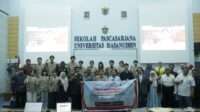
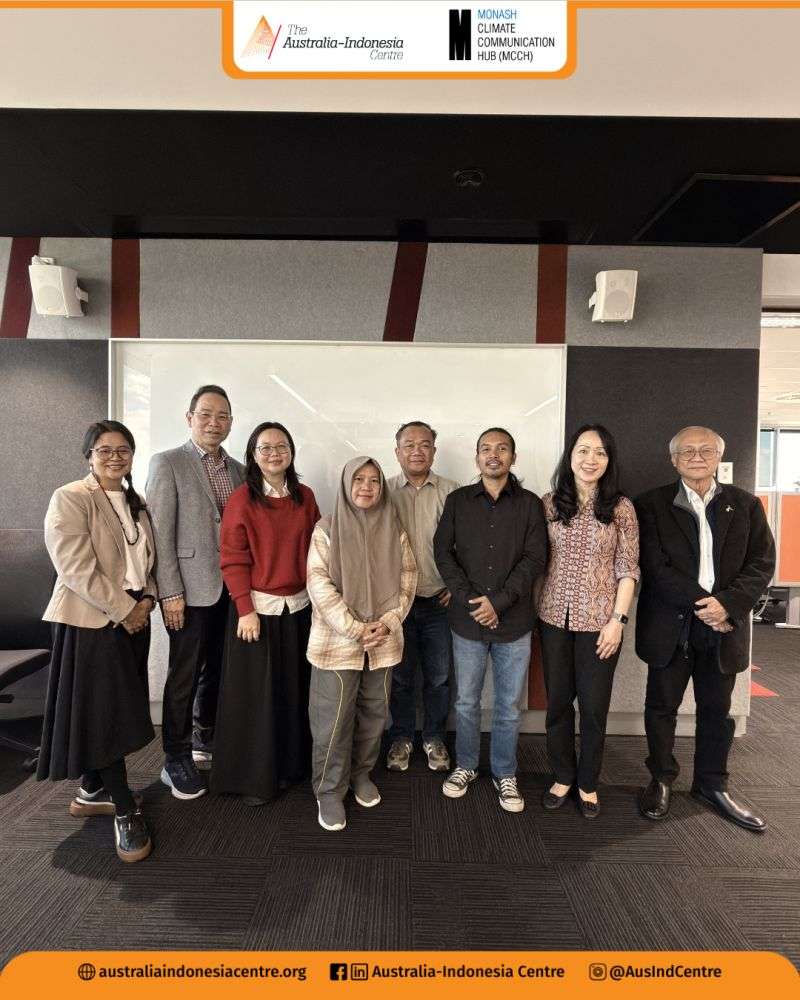
These findings form part of the “Supporting Climate Reporting in Indonesian Newsrooms” program, a collaboration between the Monash Climate Communication Hub (MCCH), the Australia-Indonesia Centre (AIC), and Hasanuddin University (Unhas), involving 15 journalists from South Sulawesi.
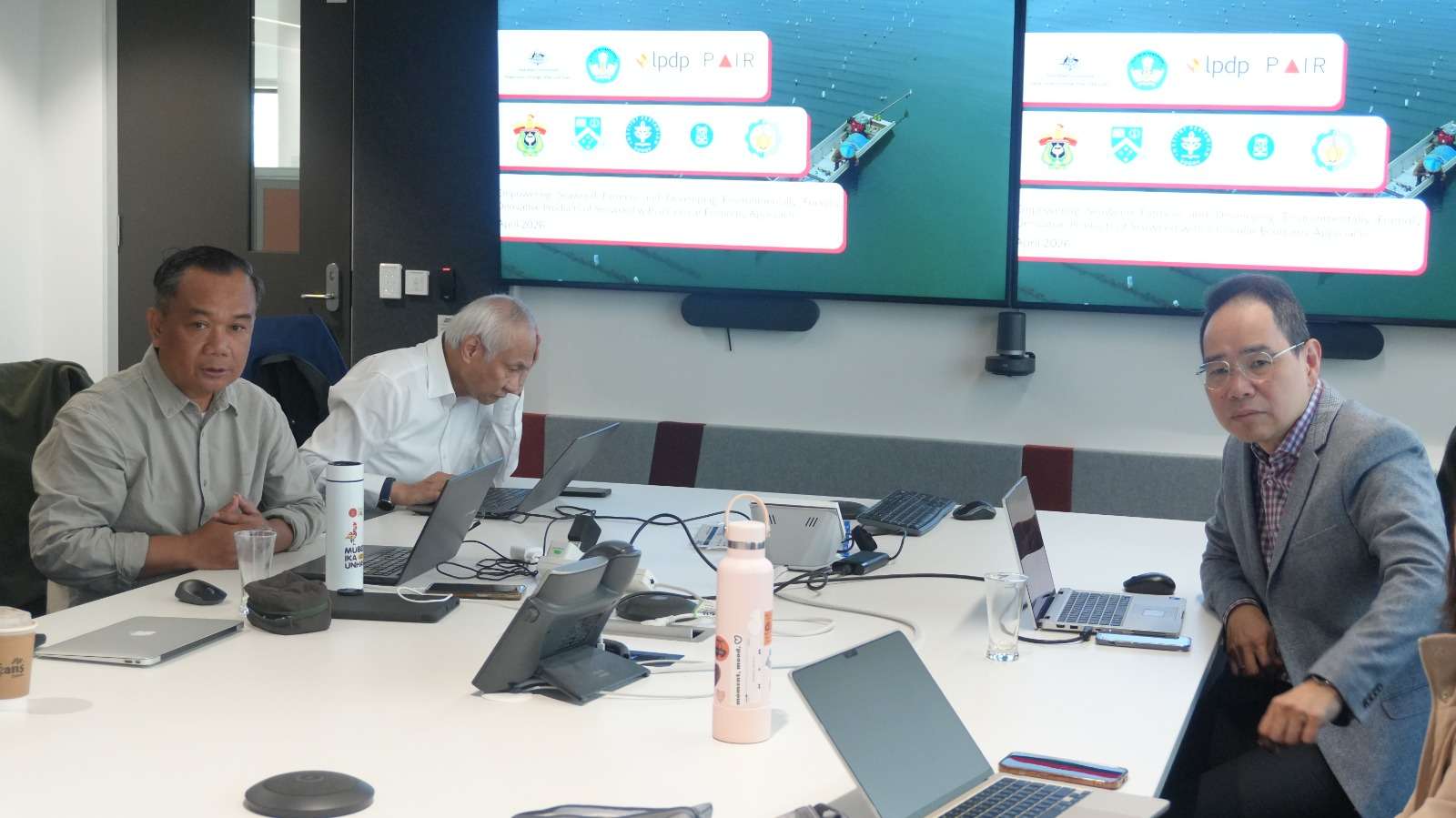
The program is funded by Australia’s Department of Foreign Affairs and Trade (DFAT) through the Australia-Indonesia Institute (AII).
Climate reporting in Indonesia has largely relied on government sources, which account for 45 percent of coverage, and business representatives, who make up 40 percent.
News stories often focus on disaster response efforts rather than investigating the long-term causes of climate-related events.
The study underlined the urgent need to equip journalists with stronger knowledge of climate science, energy transition issues, challenges, and possible solutions to support more informed local journalism.
Researchers also found that journalists who had received prior climate-related training were more likely to report on these issues frequently and with greater confidence.

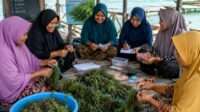
The program included a series of focus group discussions in Makassar and field visits to the coastal village of Laikang in Takalar Regency, where journalists directly observed the climate-related challenges faced by fishing communities and seaweed farmers.
Selected participants also travelled to Melbourne for intensive training sessions with climate experts from Monash University, including Professor Andrew Watkins. They took part in solutions-focused journalism workshops facilitated by the Monash Constructive Institute Asia Pacific Hub.
The journalists also engaged with AIC researchers currently conducting studies across Sulawesi, explored opportunities for collaboration, and exchanged perspectives with Australian journalists.
The collaboration demonstrated strong potential to strengthen connections between journalists, researchers, and scientific institutions, while also highlighting the need for continued training to improve understanding of climate change and collective solutions.
Such initiatives are expected to enhance journalists’ confidence and communication skills, enabling them to produce climate reporting that is more relevant, constructive, and impactful for Indonesian communities.
___
Background
Eastern Indonesia is increasingly experiencing the direct impacts of climate change, including rising sea levels, shifting agricultural cycles, and more frequent and severe extreme weather events.
However, media capacity often struggles to keep pace with the latest scientific developments, particularly when communicating these complex issues to affected communities.
One of the program’s goals is to identify the tools, resources, and practical pathways journalists need not only to report on climate issues, but also to better understand and apply scientific principles in their reporting, including links to economic and public health impacts. Through this approach, informed journalism can help communities make better decisions.
About the Program
The program is funded by the Australian Government’s Department of Foreign Affairs and Trade (DFAT) through an Australia-Indonesia Institute grant, and jointly implemented by the Australia-Indonesia Centre (AIC), the Monash Climate Communication Hub (MCCH), and Hasanuddin University (Unhas), AIC’s university partner in Makassar, South Sulawesi.
About the Australia-Indonesia Centre (AIC)
The Australia-Indonesia Centre (AIC) is a consortium of leading universities from both countries. AIC aims to strengthen people-to-people connections in science, technology, education, innovation, and culture. The organisation is based in Melbourne, Jakarta, and Makassar.
AIC also manages the Partnership for Australia-Indonesia Research (PAIR) program, which currently supports multiple research projects across Sulawesi involving 19 universities, including ten major partner universities from Australia and Indonesia, as well as nine regional universities across Sulawesi, East Kalimantan, Maluku, and North Maluku.
About the Monash Climate Communication Hub (MCCH)
The Monash Climate Communication Hub (MCCH) is an internationally recognised institution focused on communication surrounding climate change impacts and solutions. MCCH combines rigorous scientific research and evaluation to understand how climate information influences public attitudes and decision-making, and how tailored communication strategies can support transformative climate solutions.
MCCH’s multidisciplinary team operates across Australia, Indonesia, Malaysia, and Europe.
___
Written by Kamaruddin Azis, founder of maritimeposts.com