
The Pacific Ocean may seem serene from above, but beneath its waters lie tectonic giants capable of unleashing some of the most powerful forces on Earth. Understanding these hidden monsters is not merely an academic exercise. For the hundreds of millions of people living around the Pacific Rim, it may be the key to surviving the next great disaster.
MARITIMEPOSTS.COM – The Pacific Ocean covers nearly one-third of Earth’s surface, a vast blue expanse that appears calm from above. Yet beneath its waters lies one of the most dangerous geological systems on the planet.
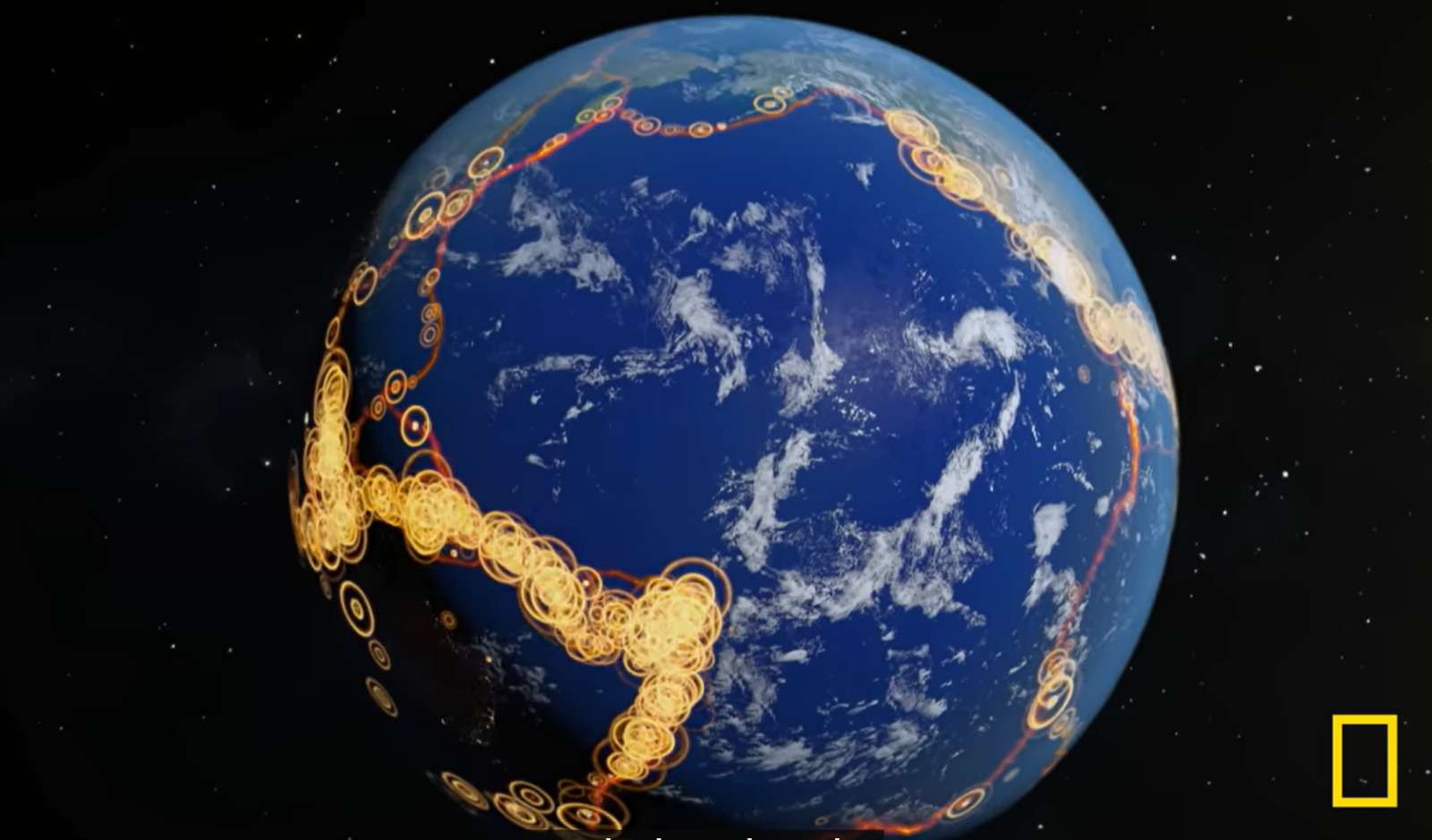
Stretching around the ocean’s rim is the Pacific Ring of Fire, a colossal belt of tectonic activity responsible for about 90 percent of the world’s earthquakes and most of its largest volcanic eruptions.
For centuries, much of this underwater world remained hidden from human eyes. Today, advanced sonar mapping and deep-sea scanning technologies are allowing scientists to do something once unimaginable: drain the oceans virtually and reveal the secrets of the seafloor.
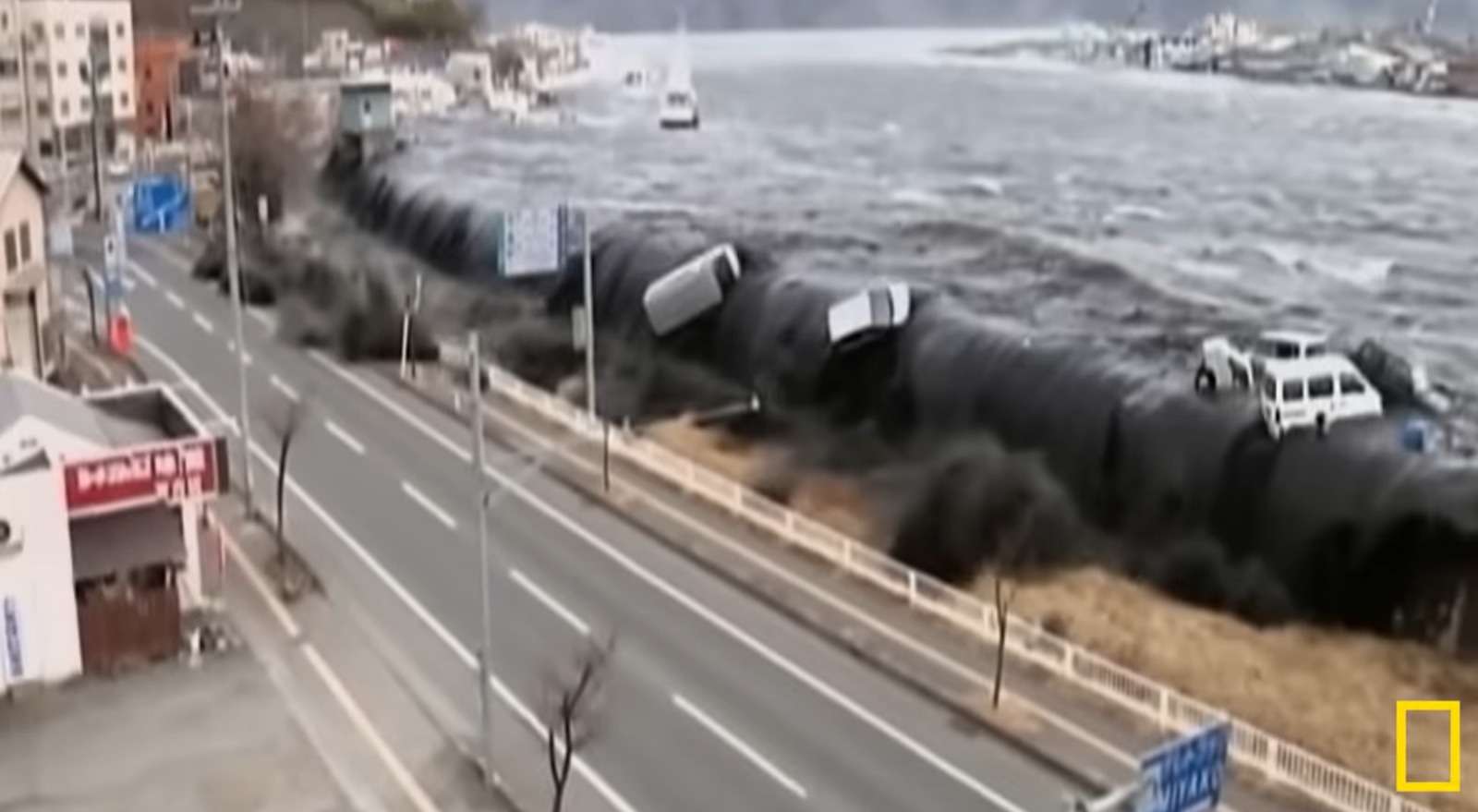
What they are discovering is both fascinating and deeply unsettling. Beneath the Pacific lurk giant subduction zones, underwater canyons, hidden volcanoes, and ancient scars left by some of the largest natural disasters in Earth’s history. These submerged geological structures have the power to generate catastrophic earthquakes and tsunamis capable of reshaping coastlines and affecting millions of lives within minutes.
One of the greatest concerns lies off the coast of North America’s Pacific Northwest. Hidden beneath the waters west of Seattle, Portland, and Vancouver is the Cascadia Subduction Zone, a 700-mile-long tectonic boundary where one massive plate is being forced beneath another.
Although the region appears tranquil today, geological evidence suggests it is anything but safe. Scientists have uncovered buried layers of sand and peat along the coastline, drowned forests of ancient cedar trees, and sediment deposits deep beneath the ocean floor that all point to a terrifying event in the past.
Their investigations reveal that on January 26, 1700, the entire Cascadia fault ruptured in a magnitude 9 earthquake.
The quake generated a tsunami so powerful that it crossed the Pacific Ocean and struck Japan 4,500 miles away. Japanese historical records describe an unexplained tsunami arriving without any local earthquake, while Indigenous oral traditions in North America tell stories of villages swept away by enormous waves.
Together, these accounts have allowed scientists to reconstruct one of the most powerful earthquakes in North American history.
The implications are alarming. Researchers estimate that major Cascadia earthquakes occur roughly every 400 years. More than three centuries have already passed since the last event.
While earthquakes do not follow precise schedules, scientists agree that stress continues to build along the fault. A future rupture could shake the region for several minutes, collapse infrastructure, and generate a tsunami that reaches parts of the coastline in less than twenty minutes. Some projections suggest casualties could number in the tens of thousands, making it one of the most devastating natural disasters in modern North American history.
Across the Pacific, New Zealand faces a different but equally serious threat. Near the coastal town of Kaikoura, advanced seabed mapping has revealed a dramatic underwater landscape dominated by the Kaikoura Canyon, a giant trench plunging thousands of feet below the ocean surface. The canyon lies remarkably close to shore, raising concerns among geologists about its role in generating underwater landslides and tsunamis.
Those concerns intensified dramatically in November 2016 when a magnitude 7.8 earthquake struck the region. The quake triggered thousands of landslides on land and caused massive sediment flows deep within the canyon.
Scientists aboard the research vessel Tangaroa were able to collect seabed samples almost immediately after the earthquake, providing an unprecedented opportunity to study how large underwater landslides evolve in real time.
The results were extraordinary. Researchers discovered evidence that approximately 850 million tons of sediment had surged through the canyon like a giant underwater avalanche. Traveling for hundreds of miles across the seafloor, the flow carved deep scars into the ocean floor and demonstrated how rapidly underwater landscapes can change during major seismic events.
Although the 2016 earthquake did not generate a devastating tsunami, scientists warn that future landslides could displace enough water to threaten coastal communities.
Even greater concern surrounds the nearby Hikurangi Subduction Zone, a massive tectonic boundary off New Zealand’s east coast. Geological studies suggest that enormous stresses have accumulated there over centuries.
Scientists believe the region is capable of producing a mega-earthquake and tsunami that could strike Wellington, the nation’s capital, within minutes. A major rupture would not only affect New Zealand but could send tsunami waves across the Pacific Ocean, echoing disasters seen elsewhere in the Ring of Fire.
The Pacific’s dangers are not limited to earthquakes and landslides. Near Japan, researchers have uncovered a hidden underwater volcano known as Oomurodashi, located only 44 miles from Tokyo. The discovery was made during a routine survey using remotely operated underwater vehicles. At first glance, the feature appeared to be a simple depression on the seabed. Closer examination revealed a volcanic vent still releasing heat from below.
Further exploration uncovered not one volcanic cone but six. While only one currently shows signs of activity, scientists recognize the potential threat posed by the entire volcanic system. History provides a sobering warning.
In 1952, a submarine volcanic eruption south of Japan generated a violent steam explosion that destroyed a nearby vessel and killed all 31 people aboard.
The proximity of Oomurodashi to Tokyo raises additional concerns. A major eruption could trigger localized tsunamis, disrupt one of the busiest shipping corridors in Japan, and potentially send volcanic ash toward one of the world’s largest metropolitan regions. Researchers continue to monitor the volcano closely, watching for any signs of increased activity.
Taken together, these discoveries paint a sobering picture of life along the Pacific Ring of Fire. The region’s beauty often conceals immense geological forces operating far beneath the surface. What appears stable today may simply be a landscape in the quiet interval between catastrophes.
At the same time, advances in marine mapping and underwater exploration are transforming humanity’s understanding of these hidden dangers.
By revealing the structure of the seafloor in unprecedented detail, scientists can reconstruct ancient disasters, identify emerging threats, and improve warning systems for future generations.
The Pacific Ocean may seem serene from above, but beneath its waters lie tectonic giants capable of unleashing some of the most powerful forces on Earth. Understanding these hidden monsters is not merely an academic exercise. For the hundreds of millions of people living around the Pacific Rim, it may be the key to surviving the next great disaster.
Source: National Geographic – https://www.youtube.com/watch?v=4-qO0d6r1f0