
According to the organizing committee, the program is designed not only to strengthen academic understanding but also to provide participants with practical exposure to public health challenges and solutions within Indonesia’s social and cultural context.
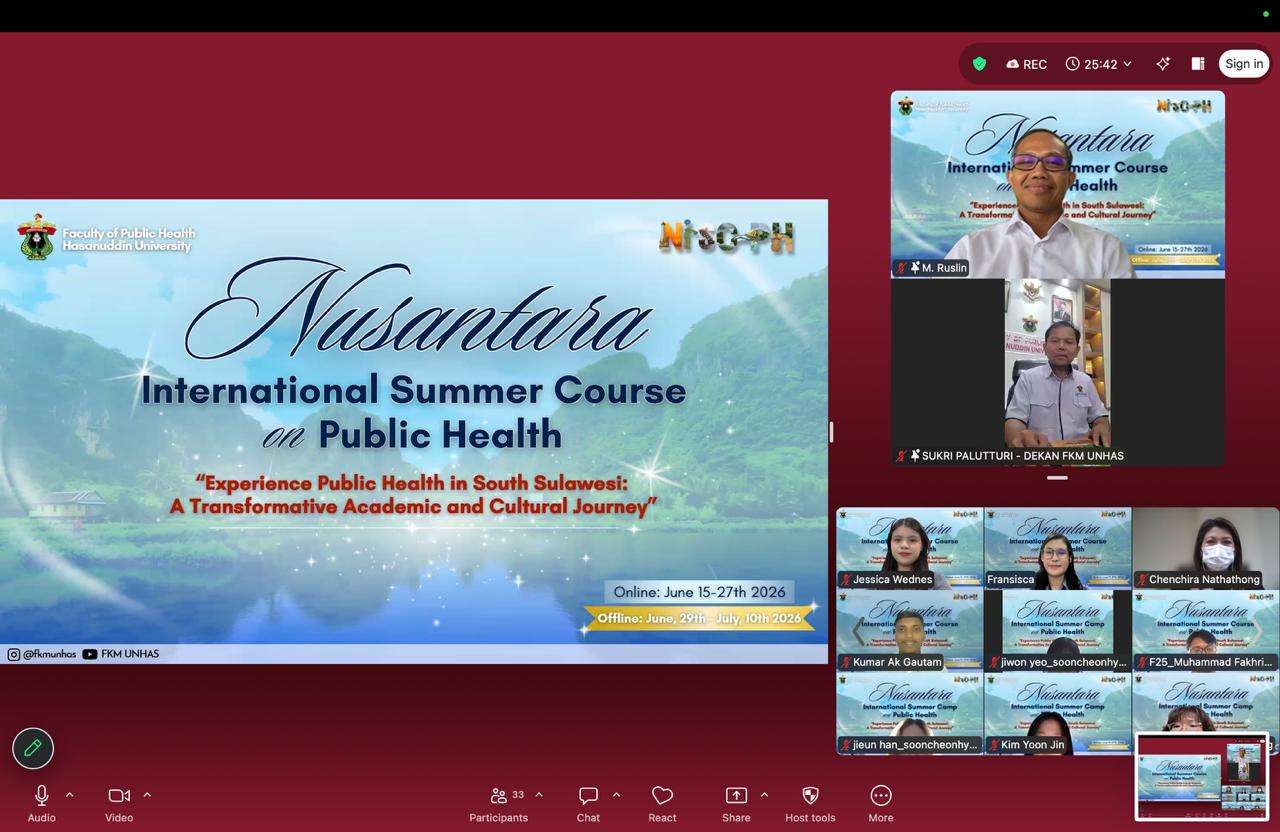
MARITIMEPOSTS.COM – MAKASSAR, Indonesia — The Faculty of Public Health (FKM) at Universitas Hasanuddin (Unhas) is organizing the 2026 Nusantara International Summer Course on Public Health (NISC-PH), bringing together international students and public health experts for an intensive academic and field-based learning experience in South Sulawesi.
The program runs from June 15 to July 11, 2026, under the theme “Experience Public Health in South Sulawesi.”
Participants are introduced to Indonesia’s public health system through a combination of online lectures, field visits, community engagement activities, and cultural exploration.
The summer course adopts a hybrid format consisting of two phases. The first phase, held online from June 15 to June 24, provides participants with foundational knowledge on public health issues and health systems in Indonesia.
The second phase, conducted offline from June 28 to July 11, allows students to engage directly with communities and health facilities across South Sulawesi.
Participants will visit several locations, including Makassar, Maros, and Soppeng, where they will observe public health interventions, community-based programs, and local health services.
According to the organizing committee, the program is designed not only to strengthen academic understanding but also to provide participants with practical exposure to public health challenges and solutions within Indonesia’s social and cultural context.
“This program is intended not only as an academic learning space but also as a transformative experience for participants to understand public health within the social, community, and cultural context of Indonesia,” the committee stated.
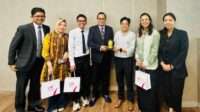
The 2026 program brings together students from several countries, including five participants from Mahidol University in Thailand and six participants from Soonchunhyang University in South Korea. The cohort is also joined by international students currently enrolled in various academic programs at Universitas Hasanuddin.
The curriculum covers a range of contemporary public health topics, including Geographic Information Systems (GIS), data analysis using R software, ergonomics in the informal sector, community health interventions, and health system management. Through these activities, participants gain practical skills while examining public health issues from a multidisciplinary perspective.
A distinctive feature of NISC-PH 2026 is its reliance on the expertise of local academics. The entire program is organized and delivered by faculty members of FKM Unhas, reflecting the university’s commitment to showcasing its academic capacity and field experience to an international audience.
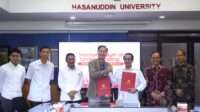
The initiative has received strong support from the university leadership, including Vice Rector for Academic and Student Affairs, Prof. drg. Muhammad Ruslin, M.Kes., Ph.D., Sp.BM(K), and Dean of the Faculty of Public Health, Prof. Sukri Palutturi, SKM, M.Kes., MSc.PH, Ph.D.
Prof. Sukri Palutturi emphasized that the program serves as a platform to introduce the faculty’s academic strengths and public health best practices to international partners.
“We want to introduce our academic capacity, field experience, and public health best practices to the international community,” he said.
Beyond academic learning, the summer course also promotes cross-cultural exchange and international collaboration. Participants are expected to build professional networks and partnerships that may contribute to future research and public health initiatives across the region.
The program aligns with several Sustainable Development Goals (SDGs), particularly SDG 3 (Good Health and Well-being), SDG 4 (Quality Education), and SDG 17 (Partnerships for the Goals).
Through international academic cooperation and community-based learning, the initiative contributes to strengthening public health education and fostering global partnerships.
For Universitas Hasanuddin, NISC-PH 2026 represents part of its broader internationalization strategy and reinforces its role as a regional hub for public health education and research.
For participants, the program offers a unique opportunity to experience public health beyond the classroom and gain firsthand insight into health systems and community practices in Indonesia.
The summer course is expected to conclude on July 11, 2026, following a series of academic sessions, field activities, and cultural programs across South Sulawesi.