
The findings of Mu’awanah, Dani, Nugroho, Samir, Kasri, and Idrus (2024) underscore a central message: Indonesia’s aquaculture sector cannot rely solely on production growth. True transformation requires strengthening downstream industries, improving market systems, and empowering farmers as central actors in the value chain.
MARITIMEPOSTS.COM – A 2024 collaborative study titled “Analisis Rantai Nilai Produk Perikanan Budidaya di Sulawesi Selatan – “Value Chain Analysis of Aquaculture Products in South Sulawesi” offers an in-depth examination of Indonesia’s aquaculture sector, particularly in South Sulawesi—one of the country’s most important production regions for seaweed, shrimp, and milkfish.
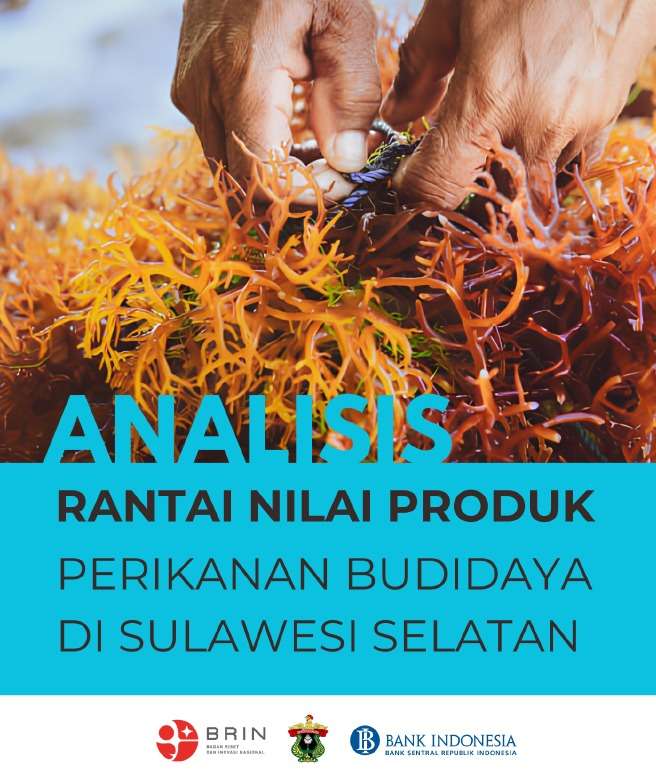
The study was conducted by a multidisciplinary team from the National Research and Innovation Agency (BRIN) and Hasanuddin University, namely Umi Mu’awanah, Fatimatuz Zahro Diah Putri Dani, and Agus Eko Nugroho (BRIN), alongside Salman Samir, Kasri, and Rijal Idrus (Hasanuddin University).
Their work provides a detailed mapping of how value is created, distributed, and captured along aquaculture supply chains—and why structural reform is urgently needed to improve farmer welfare.
A Multi-Layered Research Approach to Understand the Value Chain
The research employed an Exploratory Descriptive Qualitative approach within an exploratory sequential mixed-method design, combining field-based qualitative insights with quantitative analysis.
To assess the aquaculture system comprehensively, the researchers integrated several analytical frameworks:
- Porter’s Value Chain Model to map value creation across actors
- Hayami Method to calculate added value at each stage
- CATWOE Analysis to identify systemic bottlenecks
- Analytical Hierarchy Process (AHP) to prioritize policy interventions
Fieldwork was conducted across key aquaculture hubs in Pinrang, Bone, and Takalar Regencies, South Sulawesi, combining interviews, field observations, and stakeholder focus group discussions.
Three Commodities, Three Different Value Chain Realities
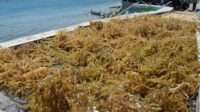
Seaweed: High Production, Limited Local Value Addition
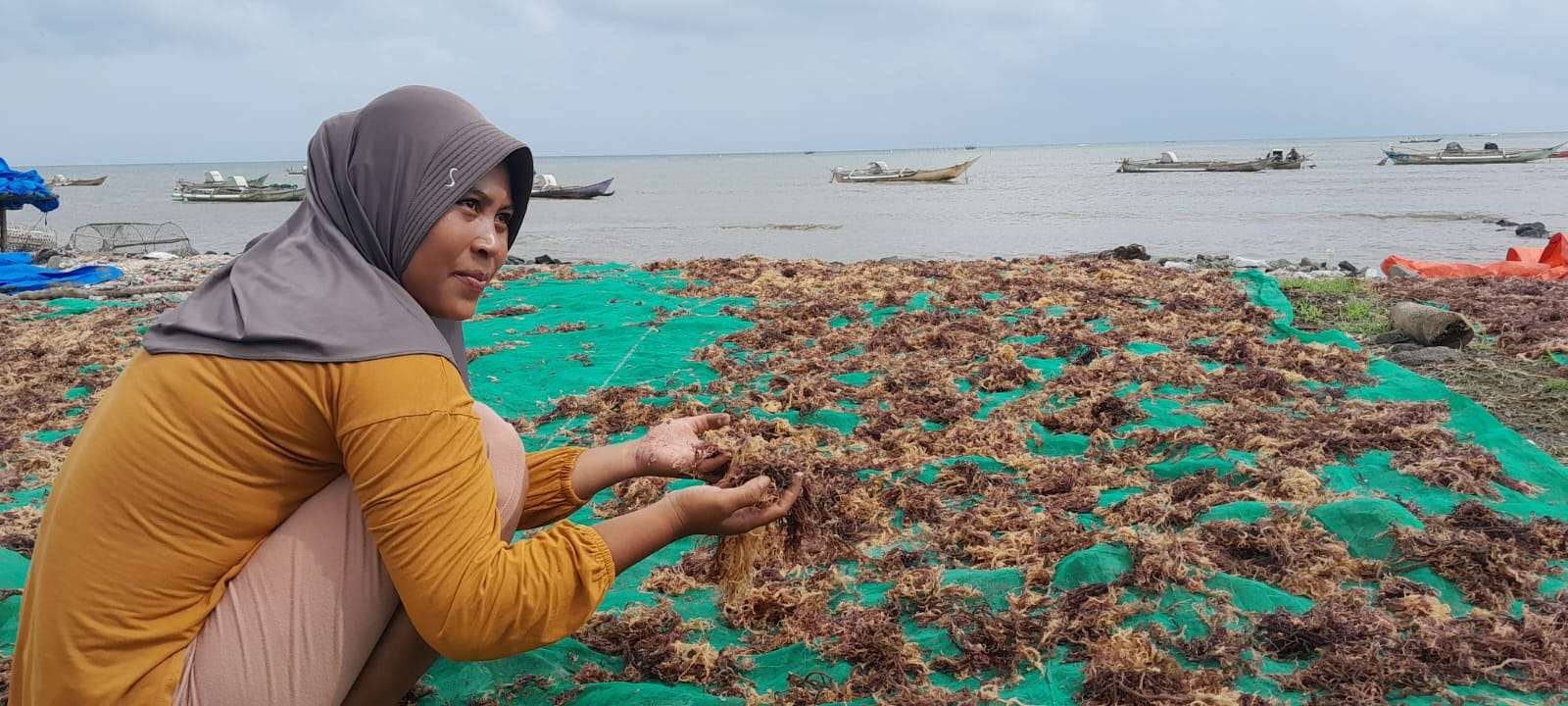
Seaweed remains one of South Sulawesi’s most important aquaculture commodities. However, despite rising production volumes, much of its economic value is lost in the upstream segment.
In Takalar, for instance, approximately 89% of seaweed production is directly absorbed by exporters, bypassing domestic processing industries. This structure limits local value addition and reduces income potential for farmers.
The study highlights that higher economic returns are concentrated in downstream products such as carrageenan and jelly-based derivatives, signaling a major opportunity for industrial upgrading.
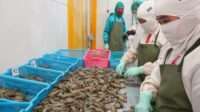
Shrimp: The Most Efficient and Balanced Value Chain
Among the three commodities studied, shrimp demonstrates the most robust value chain performance.
Key findings include:
- Strong international market demand
- Higher value capture in processing and export stages
- Relatively balanced profit distribution among actors
However, the sector remains exposed to biological risks, particularly disease outbreaks, which represent the primary production vulnerability.
Despite this, shrimp continues to be the most structurally efficient aquaculture commodity in the region.
Milkfish (Bandeng): Strong Domestic Market, Structural Limitations
Milkfish primarily serves the domestic market, where it is often more profitable than export channels due to high logistics costs.
Yet, its development is constrained by several structural challenges:
- Limited cold storage infrastructure
- Low adoption of modern processing technology
- Minimal product diversification
Nevertheless, milkfish plays a vital role in supporting regional food security and local consumption systems.
Unequal Value Distribution Across the Chain
A consistent pattern across all three commodities is the unequal distribution of economic gains. The study finds that exporters and large processing industries capture the highest margins, while smallholder farmers remain at the lowest end of the value chain.
This imbalance is driven by structural issues such as:
- Limited market access
- Weak bargaining power of farmers
- Underdeveloped processing capacity
- Low technological penetration
Without systemic intervention, this inequality is likely to persist despite production growth.
Strategic Priorities for Reform: From Production to Empowerment
The Analytical Hierarchy Process (AHP) results provide a clear direction for policy intervention:
- Top priority factor: Market and Sales (weight 0.285)
- Key strategic priority: Improving farmer skills (24.8%)
Based on these findings, the study recommends several strategic actions:
1. Strengthening Farmer Capacity
Training in Good Aquaculture Practices (CBIB/GAP), financial literacy, and digital marketing to improve productivity and market access.
2. Infrastructure Modernization
Investment in eco-friendly technologies, water quality management systems, and processing facilities to support long-term sustainability.
3. Expanding Financial Access
Strengthening cooperatives and facilitating access to affordable credit to support small-scale aquaculture expansion.
4. Environmental Governance
Strict enforcement of environmental regulations, particularly waste management, to protect ecosystem sustainability.
Toward a More Inclusive Blue Economy
The findings of Mu’awanah, Dani, Nugroho, Samir, Kasri, and Idrus (2024) underscore a central message: Indonesia’s aquaculture sector cannot rely solely on production growth.
True transformation requires strengthening downstream industries, improving market systems, and empowering farmers as central actors in the value chain.
Only then can South Sulawesi’s aquaculture sector evolve from a production-driven system into a value-driven, inclusive, and sustainable blue economy that ensures prosperity is shared more equitably across all actors in the chain.
___
Editorial Team