

Pacific Island countries were among the strongest supporters of Australia’s campaign to host COP31. Their backing reflected a shared vision of a summit centered on climate ambition, resilience, and the existential threats posed by rising sea levels and extreme weather.
MARITIMEPOSTS.COM – As preparations intensify for COP31, the United Nations climate summit scheduled for 2026, Australia finds itself in an unfamiliar and unprecedented position.
After years of campaigning to host the conference jointly with Pacific Island nations, Australia has stepped back from its bid to stage the event in Adelaide, accepting a compromise arrangement with Turkey that will see the summit held in Antalya.
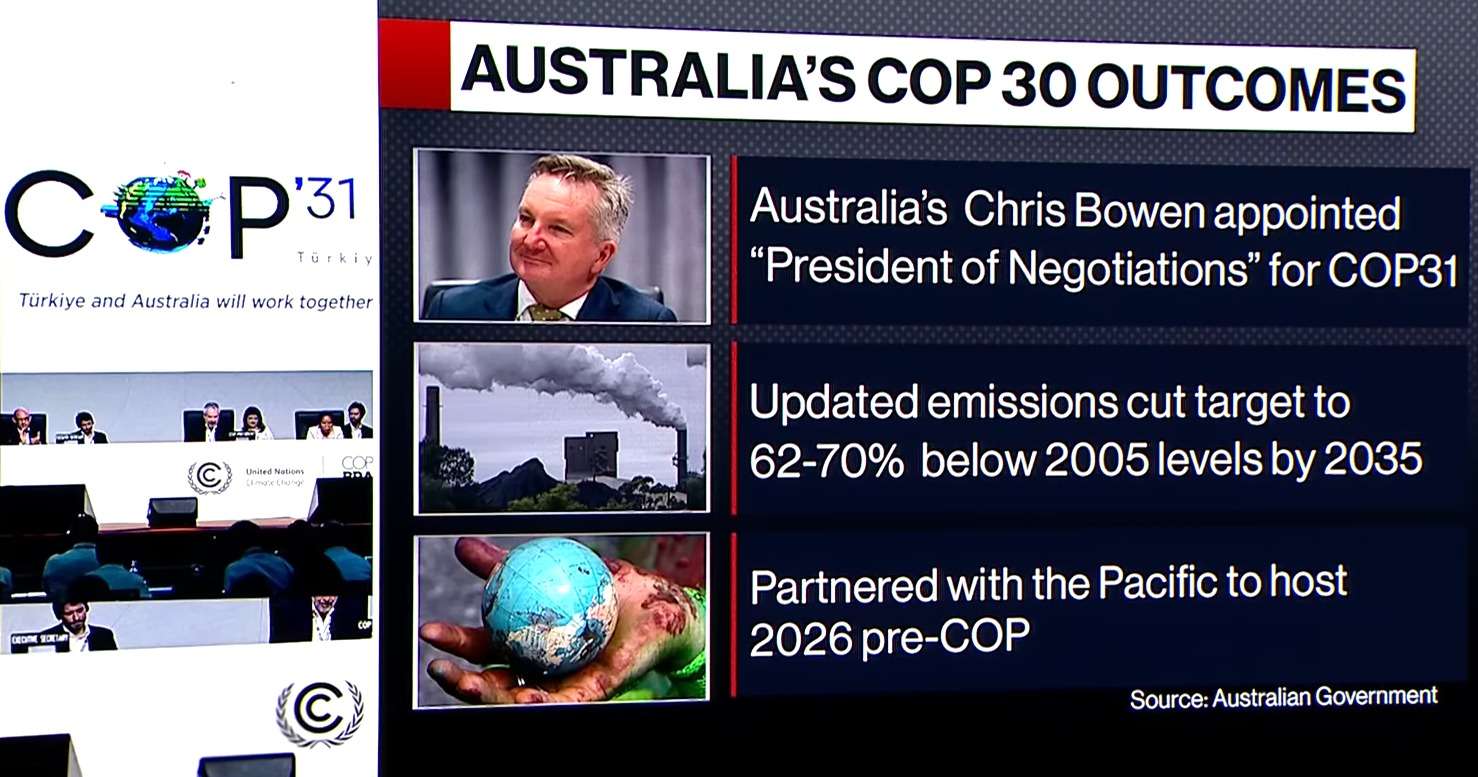
While Turkey will host COP31 and hold the formal presidency, Australia will take on the critical role of President of Negotiations, overseeing the complex diplomatic process involving nearly 200 countries.
The arrangement marks a significant departure from previous COP models and presents both challenges and opportunities for Australian climate diplomacy.
According to climate policy experts, the success of this unusual partnership may shape not only the outcomes of COP31 but also Australia’s standing as a regional climate leader.
From Host Bid to Shared Leadership
Australia’s campaign to host COP31 was never intended to be solely an Australian event. From the outset, the proposal was framed as a joint Australia-Pacific COP, designed to elevate Pacific priorities and strengthen regional cooperation on climate action.
For years, Australia argued that hosting the summit alongside Pacific nations would provide a platform to highlight the unique climate vulnerabilities facing island states while demonstrating Australia’s commitment to becoming a clean energy superpower.
The bid also carried important geopolitical significance.
As climate change increasingly dominates regional security discussions, Australia viewed COP31 as an opportunity to strengthen relationships with Pacific neighbors and reinforce its role as a trusted partner in addressing one of the region’s greatest challenges.
Although the summit will now take place in Turkey, many of those original objectives remain relevant.
A Complex and Unprecedented Presidency
Speaking on the implications of the new arrangement, climate governance expert Eliza Northrop of the University of New South Wales described the situation as largely unprecedented.
Traditionally, a single country holds responsibility for both the political leadership of the COP process and the management of negotiations. Under the new model, however, responsibilities are effectively divided.
Turkey will lead the overall presidency, oversee the action agenda, and host the conference. Australia, meanwhile, will be responsible for steering negotiations among Parties under the United Nations Framework Convention on Climate Change (UNFCCC).
The arrangement introduces a level of complexity rarely seen in previous COPs.
“It is a very messy arrangement,” Northrop observed, noting that successful coordination between Turkey and Australia will be essential to delivering coherent outcomes.
The challenge is amplified by the fact that Australia’s original partnership was intended to be with Pacific nations rather than Turkey. As a result, Canberra must now find new ways to ensure Pacific voices remain central to the climate discussions.
Keeping the Pacific at the Heart of COP31
One of Australia’s most significant responsibilities will be preserving the Pacific focus that defined its original bid.
Pacific Island countries were among the strongest supporters of Australia’s campaign to host COP31. Their backing reflected a shared vision of a summit centered on climate ambition, resilience, and the existential threats posed by rising sea levels and extreme weather.
Under the new arrangements, Pacific nations will host the Pre-COP process, an important preparatory stage in the lead-up to the main summit. While this offers valuable visibility, experts argue it cannot fully replace the influence that a Pacific-centered COP presidency would have provided.
Northrop emphasized that Australia must go beyond simply supporting the Pre-COP and actively work with Turkey to ensure Pacific priorities remain prominent throughout COP31.
Key issues likely to feature include stronger mitigation commitments, accelerated renewable energy deployment, adaptation finance, and continued efforts to phase out fossil fuels.
The Ocean Opportunity
One area where Australia and Pacific nations could still leave a distinct mark on COP31 is the growing connection between climate policy and ocean governance.
Many advocates had envisioned a Pacific-hosted COP as an opportunity to spotlight the ocean-climate nexus, particularly after COP30 in Brazil highlighted the importance of forests and nature-based solutions.
Australia and Pacific nations share a unique identity as large ocean states. This creates opportunities to advance discussions on marine conservation, ocean-based climate solutions, sustainable blue economies, and financing for adaptation and resilience.
Even though the summit will take place in Antalya rather than Adelaide, observers believe these themes can still become defining elements of the COP31 agenda.
Climate Leadership Without the United States
Another major factor shaping COP31 will be the continuing absence of strong climate leadership from the United States.
With Washington having stepped back from active participation under the Paris Agreement process, responsibility increasingly falls on other countries and regional coalitions to drive momentum.
For Australia, this presents both a challenge and an opportunity.
Rather than relying on traditional leadership from major powers, COP31 may require a more multipolar approach to climate diplomacy. Countries will need to build new alliances, forge regional partnerships, and create coalitions capable of advancing ambitious climate outcomes.
This shift aligns with broader geopolitical trends that are reshaping international climate negotiations.
As traditional centers of influence become less dominant, middle powers such as Australia may find themselves playing a more significant role in bridging divides and building consensus.
What Success Would Look Like
For Australia, success at COP31 will not be measured by hosting rights or conference logistics.
Instead, success will depend on whether it can effectively lead negotiations, maintain the trust of Pacific partners, and help deliver meaningful progress on critical climate issues.
That includes advancing climate finance, strengthening adaptation efforts, supporting vulnerable countries, and ensuring momentum continues toward a global transition away from fossil fuels.
Perhaps most importantly, Australia must demonstrate that the original vision of a Pacific-focused COP has not been lost despite the change in venue.
The road to Antalya may look very different from what Canberra initially envisioned. Yet Australia’s role remains central.
As President of Negotiations, Australia will help shape some of the most consequential climate discussions of the decade. How it navigates this unprecedented arrangement with Turkey and continues to champion Pacific priorities may ultimately determine whether COP31 is remembered as a diplomatic compromise—or a breakthrough moment for global climate cooperation.
Source: