
MARITIMEPOSTS.COM – In a world rapidly approaching a population of 9 billion, nourishing everyone sustainably is a major challenge—one that aquatic food systems can help address.
Today, global fisheries and aquaculture production is at an all-time high. In 2022, the sector produced 185 million tons of aquatic animals and 38 million tons of algae. Aquaculture reached a historic milestone, surpassing capture fisheries for the first time and accounting for 51% of total aquatic animal production.
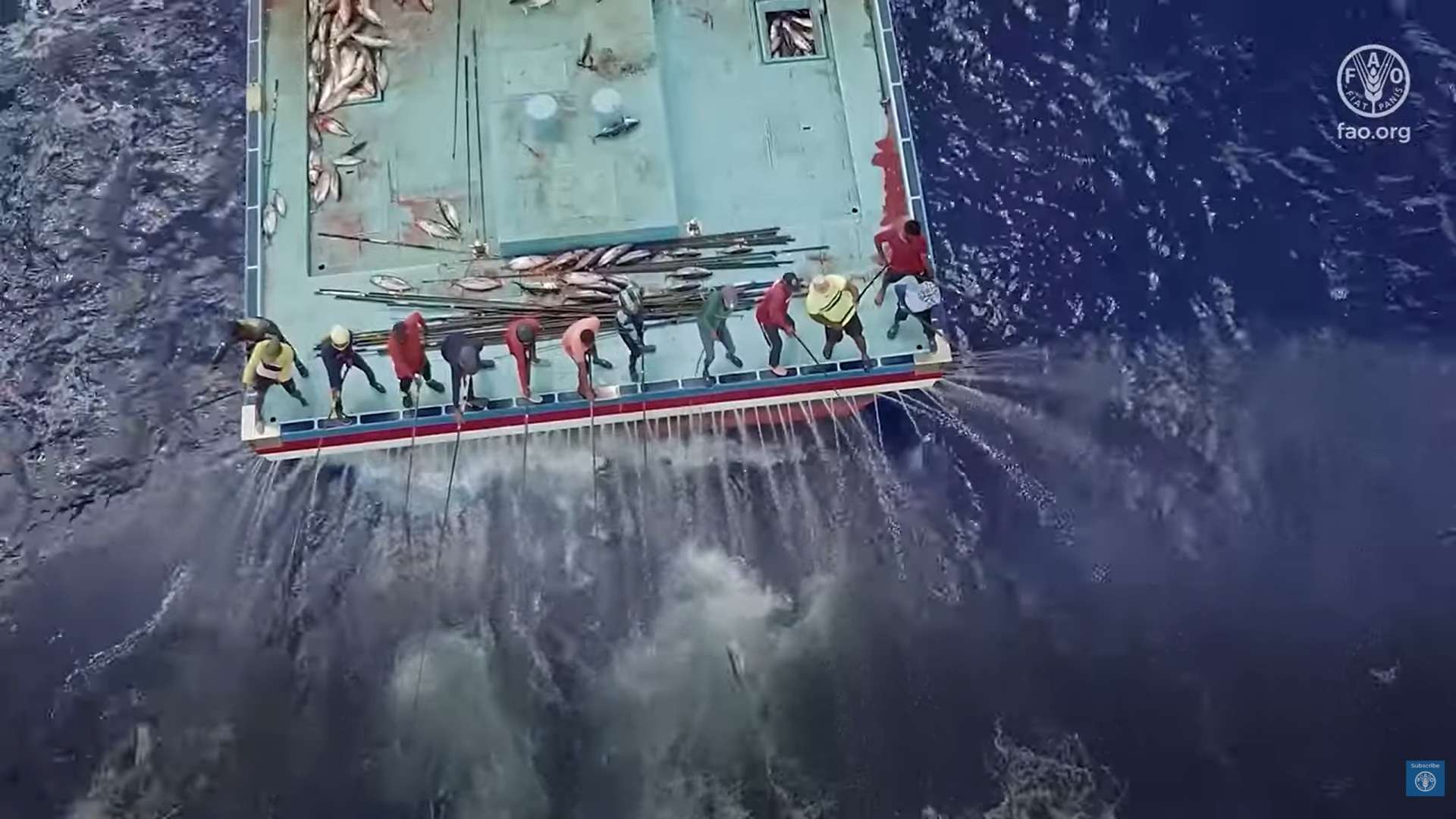
Despite this, capture fisheries remain vital, producing over 90 million tons of aquatic species that nourish and sustain millions of people worldwide.
Sustainability in fisheries remains a concern. The proportion of marine stocks fished sustainably declined to 62.3% in 2021. However, when weighted by production levels, around 77% of all landings from FAO-monitored stocks in 2021 were sustainably fished—demonstrating that effective management can support stock recovery.
Aquatic food products are among the most traded food commodities globally. In 2022, trade in aquatic products reached a record value of USD 195 billion.
Fisheries and aquaculture also support hundreds of millions of livelihoods. In 2022, approximately 62 million people were employed in the primary sector. When considering the entire value chain, up to 600 million people depend on this sector. Women play a significant role, representing 24% of fishers and fish farmers, and 62% of processing workers.
Global consumption of aquatic animal foods continues to rise, with average per capita consumption reaching 20.7 kilograms in 2022.
To meet this growing demand sustainably, the “blue transformation” is leveraging science, research, technology, and innovation. Its goals include expanding sustainable aquaculture in countries with the greatest need and potential, managing global fisheries through an ecosystem-based approach, and improving the efficiency, safety, and inclusivity of aquatic value chains.
Challenges inspire solutions—fueling hope for a future with better nutrition, better production, a healthier environment, and a better life for all.
Source: FAO Youtube