
The workshops also introduced constructive journalism approaches that encourage solutions-oriented reporting, helping audiences not only understand climate risks but also identify pathways toward resilience and adaptation.
MARITIMEPOSTS.COM – As climate change continues to reshape societies across the globe, the role of journalism has become increasingly vital in helping communities understand environmental risks, scientific realities, and pathways toward resilience.
In this context, Melbourne recently became a meeting point for journalists, researchers, climate scientists, and communication experts from Indonesia and Australia in a collaborative effort to strengthen climate reporting and deepen cross-border partnerships.
The series of workshops, held over two days, formed part of the project “Supporting Climate Reporting in Indonesian Newsrooms,” an initiative conducted in collaboration with the Australia-Indonesia Centre and supported by the Australia Indonesia Institute.
More than simply a training program, the workshops reflected a broader recognition that climate reporting today requires strong connections between scientific research, public communication, and local community realities.
Participants from universities, research institutions, media organizations, and communication networks gathered to discuss one of the defining challenges of the modern era: how to communicate climate change accurately, responsibly, and meaningfully in societies increasingly shaped by misinformation and disinformation.
Building Stronger Climate Journalism Through Collaboration
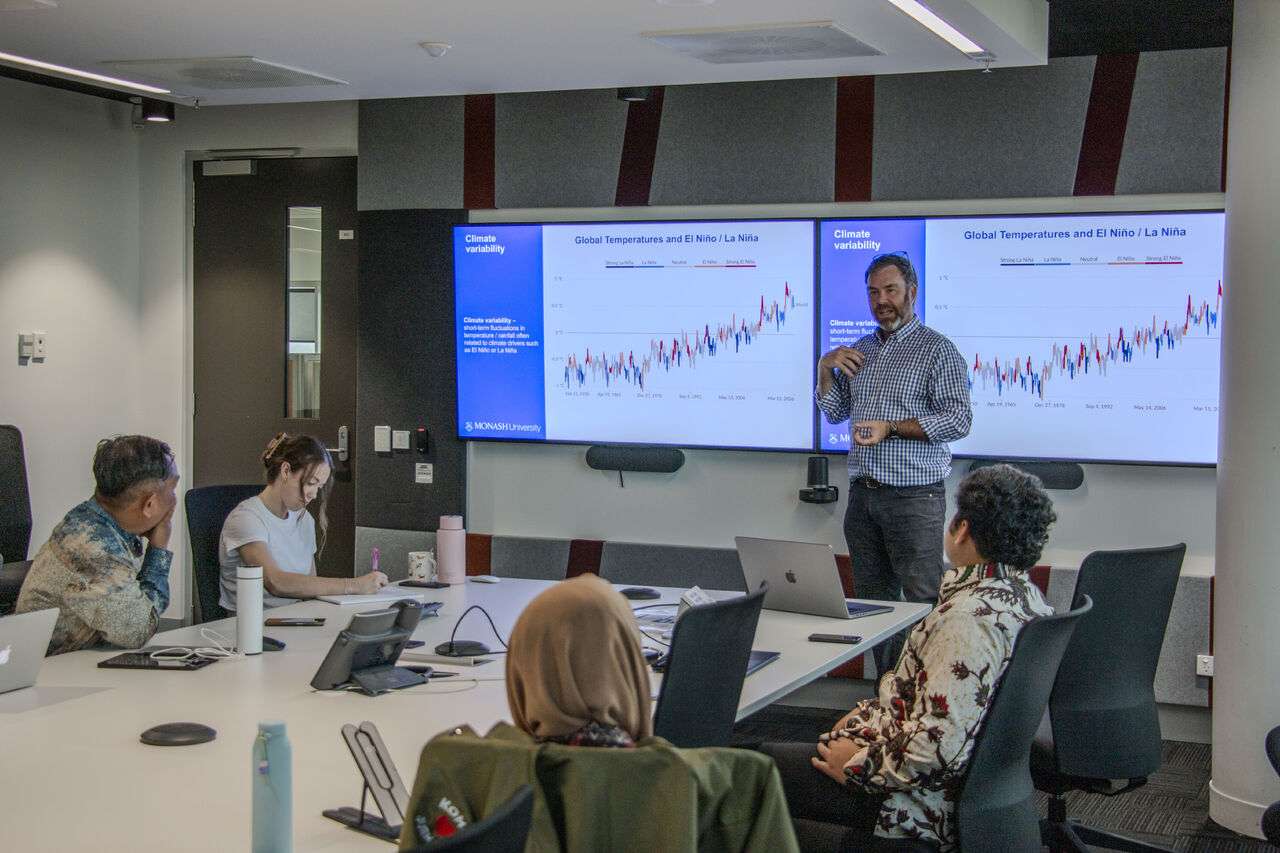
Throughout the sessions, discussions focused on the current state of the climate crisis and scientific projections for the future. Researchers and climate experts emphasized the urgency of ensuring that journalism remains scientifically grounded while also accessible to wider audiences.
The conversations highlighted how climate reporting is no longer simply about relaying environmental data, but about translating complex scientific realities into stories that communities can understand and relate to in their daily lives.
Australian journalists and communication practitioners also shared experiences in covering climate and energy issues within their own media environments.
Indonesian participants gained insight into newsroom strategies, storytelling approaches, and editorial processes designed to engage audiences without creating fatigue or fear.
The exchange revealed that effective climate journalism depends not only on scientific accuracy, but also on narrative clarity, empathy, and public trust.
One of the workshop’s strongest themes was the growing need for collaboration between researchers and journalists. Participants discussed how scientists and media professionals can work together to ensure accurate reporting while improving the public’s understanding of climate-related issues.
The workshops also introduced constructive journalism approaches that encourage solutions-oriented reporting, helping audiences not only understand climate risks but also identify pathways toward resilience and adaptation.
Sulawesi as a Shared Ground for Research and Reporting
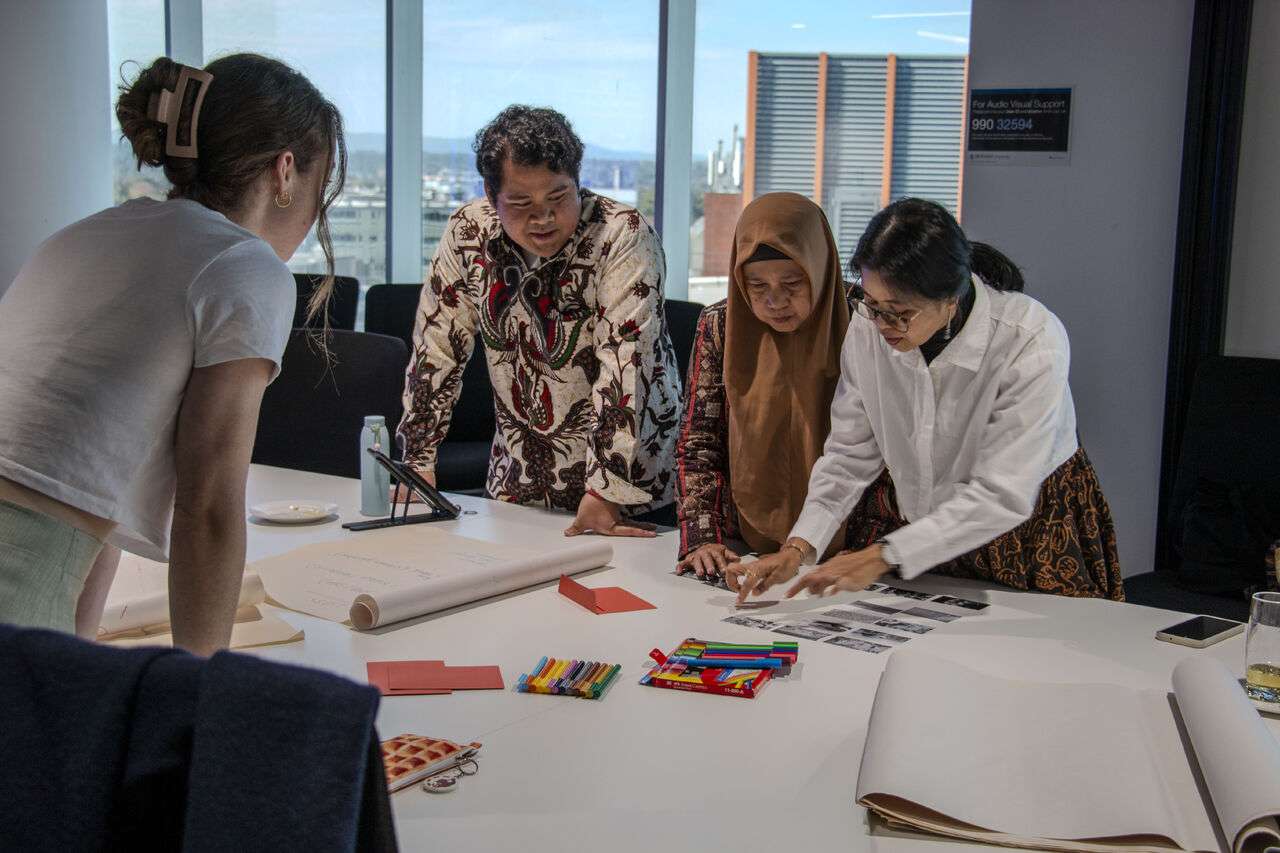
A particularly meaningful part of the program involved discussions between four researchers from the PAIR Sulawesi program and journalists from Sulawesi participating in the climate reporting initiative. The meeting created a unique space where different professions shared a common regional focus and explored similar questions about climate resilience and sustainable development in Indonesia.
What connected the participants most strongly was Sulawesi itself—the region where the researchers are conducting their climate-related projects and where the journalists live, work, and report.
Although they came from different professional backgrounds, both groups recognized the importance of bridging scientific research and public storytelling.
Among the scholars contributing to the discussions were Professor Lu Aye and Professor Sherah Kurnia from the University of Melbourne, alongside Professor Daniel Prajogo and Professor Juliana Sutanto from Monash University. Their dialogue with journalists explored several pressing issues affecting Sulawesi and Indonesia more broadly.
One major topic was the transition toward net-zero emissions and the broader implications of energy transformation for local economies and communities.
Participants discussed the challenge of balancing environmental sustainability with economic development, particularly in regions heavily dependent on natural resources.
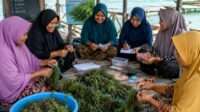
Another important focus was sustainable seaweed farming, a sector increasingly crucial to coastal livelihoods in Sulawesi. Researchers explained how innovation, environmental management, and technological adaptation could strengthen seaweed production while protecting marine ecosystems from climate-related pressures.
The discussions also examined the relationship between climate change and public health in coastal communities.
Rising temperatures, changing weather patterns, and environmental degradation are already affecting food security, livelihoods, and community wellbeing across vulnerable coastal regions in Indonesia.
Connecting Global Climate Challenges with Local Realities
Beyond technical discussions, the Melbourne workshops underscored the importance of grounding climate communication in local realities rather than abstract global narratives.
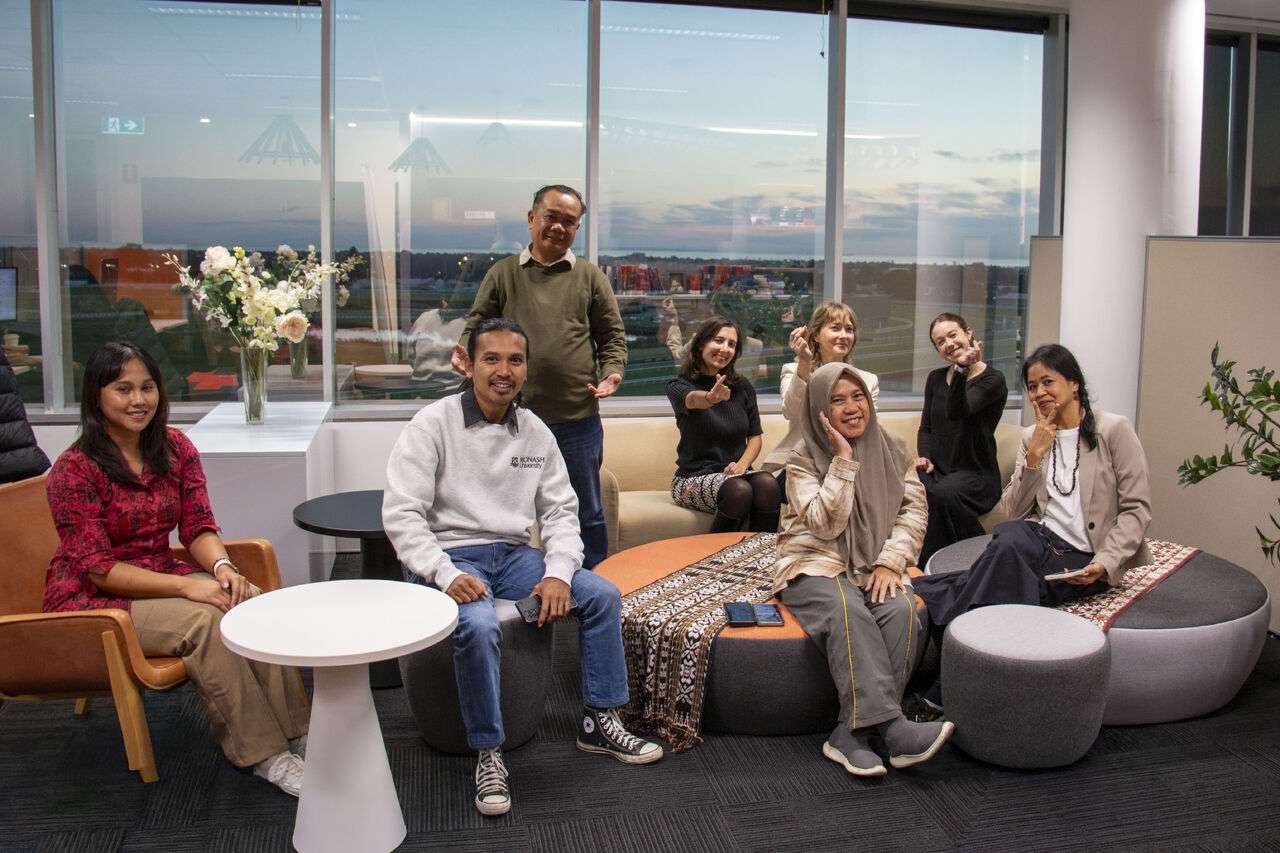
By centering Sulawesi and Indonesian community experiences, the conversations remained closely connected to the everyday challenges faced by people living on the frontlines of climate change.
The collaboration also highlighted the importance of institutional partnerships in addressing environmental challenges. The PAIR Sulawesi program is co-funded by the Australian Government through the Department of Foreign Affairs and Trade (DFAT) and the Indonesian Government through the Ministry of Higher Education, Science, and Technology (Kemdiktisaintek) and the Indonesia Endowment Fund for Education (LPDP).
Meanwhile, the climate and energy reporting initiative is organized by the Australia-Indonesia Centre (AIC) and the Monash Climate Communication Hub (MCCH), with support from the Australia-Indonesia Institute through the Australian Department of Foreign Affairs and Trade.
Following the Melbourne workshops, the research team is scheduled to continue engagements in Makassar, where findings from the broader research study will be presented to local stakeholders.
The outcomes are expected to contribute to practical tools and strategies for scientifically informed journalism that meets the information needs of local communities.
As climate impacts intensify across Southeast Asia and the wider Asia-Pacific region, the Melbourne workshops demonstrated that addressing climate change requires more than scientific discovery alone.
It also requires effective communication, trusted journalism, cross-border cooperation, and storytelling capable of connecting global environmental issues with local human realities.
Ultimately, the collaboration between Indonesian and Australian researchers and journalists reflected a shared understanding: climate change is not only a scientific issue, but also a communication challenge. And in facing that challenge, science and journalism must work together—not separately—to help societies navigate an increasingly uncertain future.
__
Editor K. Azis