
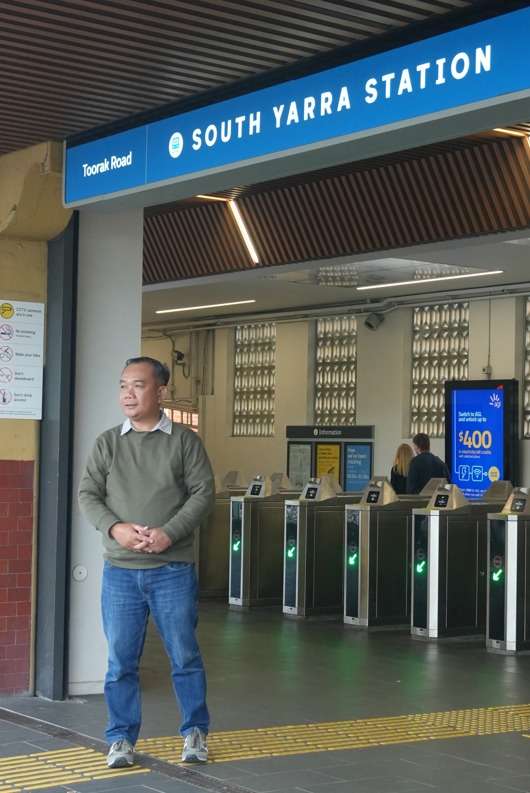
Because the station was only around three minutes from the apartment, South Yarra railway station quickly became familiar territory. More than merely a transit point, the station revealed itself as one of Melbourne’s most significant suburban transport hubs.
MARITIMEPOSTS.COM – From 11 to 15 May 2026, Melbourne became more than just a destination for workshops and academic discussions.
For five days, the city unfolded through train platforms, apartment windows, quiet streets, and the rhythm of daily commuters moving between South Yarra and Caulfield.
What initially appeared to be an ordinary stay near a railway station slowly transformed into a deeper experience of how urban life, mobility, and learning intersect in one of Australia’s most connected cities.
My stay began at Punthill Apartment Hotels South Yarra, a serviced apartment hotel located only a few minutes from South Yarra railway station.
Unlike conventional hotels designed mainly for short overnight visits, Punthill offered the atmosphere of temporary urban living. The apartment-style accommodation included a small kitchen, laundry facilities, living area, and the quiet comfort needed for longer academic and professional stays.

Many guests appeared to be business travelers, university visitors, or participants attending conferences across Melbourne.
Yet the most valuable aspect of the hotel was not simply the room itself, but its location.
Positioned near Toorak Road and Chapel Street, the hotel stood at the center of a vibrant urban environment filled with cafés, restaurants, supermarkets, tram lines, and pedestrian movement from morning until late evening.
Melbourne’s public transport culture became immediately visible there. Trains arrived with precision, commuters flowed continuously through the station concourse, and the surrounding district felt alive at nearly every hour.
Because the station was only around three minutes from the apartment, South Yarra railway station quickly became familiar territory. More than merely a transit point, the station revealed itself as one of Melbourne’s most significant suburban transport hubs.
Located approximately four kilometers southeast of Melbourne’s central business district, South Yarra sits at the intersection of mobility, commerce, and urban culture.
The station connects several important rail corridors, including the Frankston, Sandringham, Cranbourne, and historically the Pakenham lines.
Despite its long history dating back to 1860, the station has evolved into a modern interchange with six platforms and renovated concourse areas that accommodate thousands of passengers each day.
Locals often describe South Yarra as functioning almost like a miniature CBD because of the density of activity surrounding it.
What made the station particularly interesting during this visit was the ongoing public conversation surrounding Melbourne’s Metro Tunnel project.
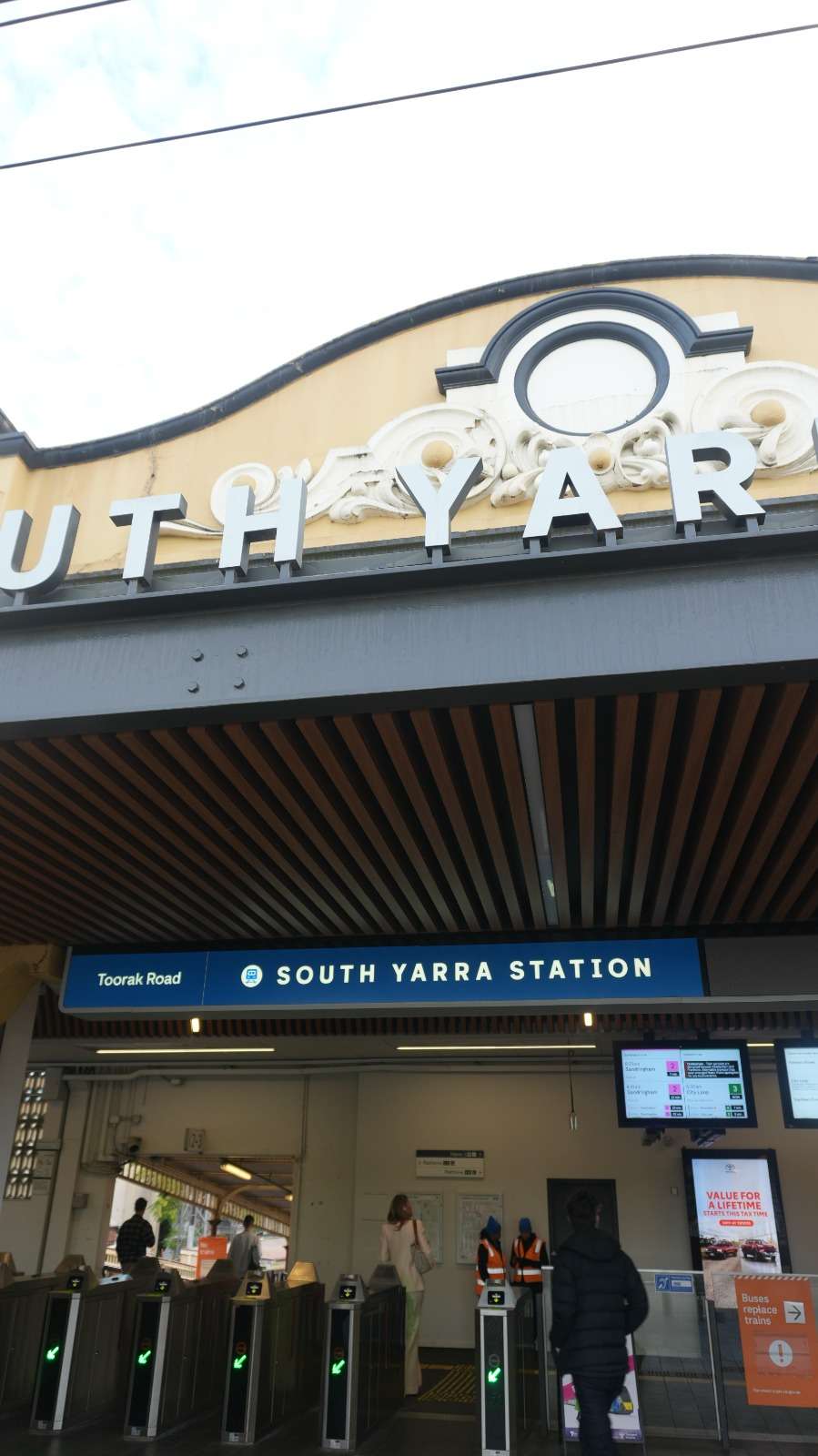
Many commuters continued discussing how the new system altered stopping patterns between South Yarra and surrounding stations. Infrastructure debates that might seem technical on paper became visible in daily conversations among ordinary passengers waiting for trains.
On 13 and 14 May 2026, I regularly traveled from South Yarra toward Caulfield railway station, using the traditional Dandenong–Caulfield rail corridor. The journey itself became an important part of understanding Melbourne’s suburban structure.
Between South Yarra and Caulfield, the train passed several stations in sequence: Hawksburn, Toorak, Armadale, and Malvern. Each station reflected a slightly different atmosphere and architectural identity, revealing layers of Melbourne’s suburban history.
Some platforms felt quiet and residential, while others carried the energy of busy shopping districts and morning commuters.
The journey ended at Caulfield Station, one of the key gateways to Monash University’s Caulfield campus. Located only a short walk from the university, the station demonstrated how closely integrated Melbourne’s educational institutions are with public transportation networks. Students, academics, and visitors moved fluidly between trains, trams, buses, and university buildings, creating a highly connected urban learning environment.
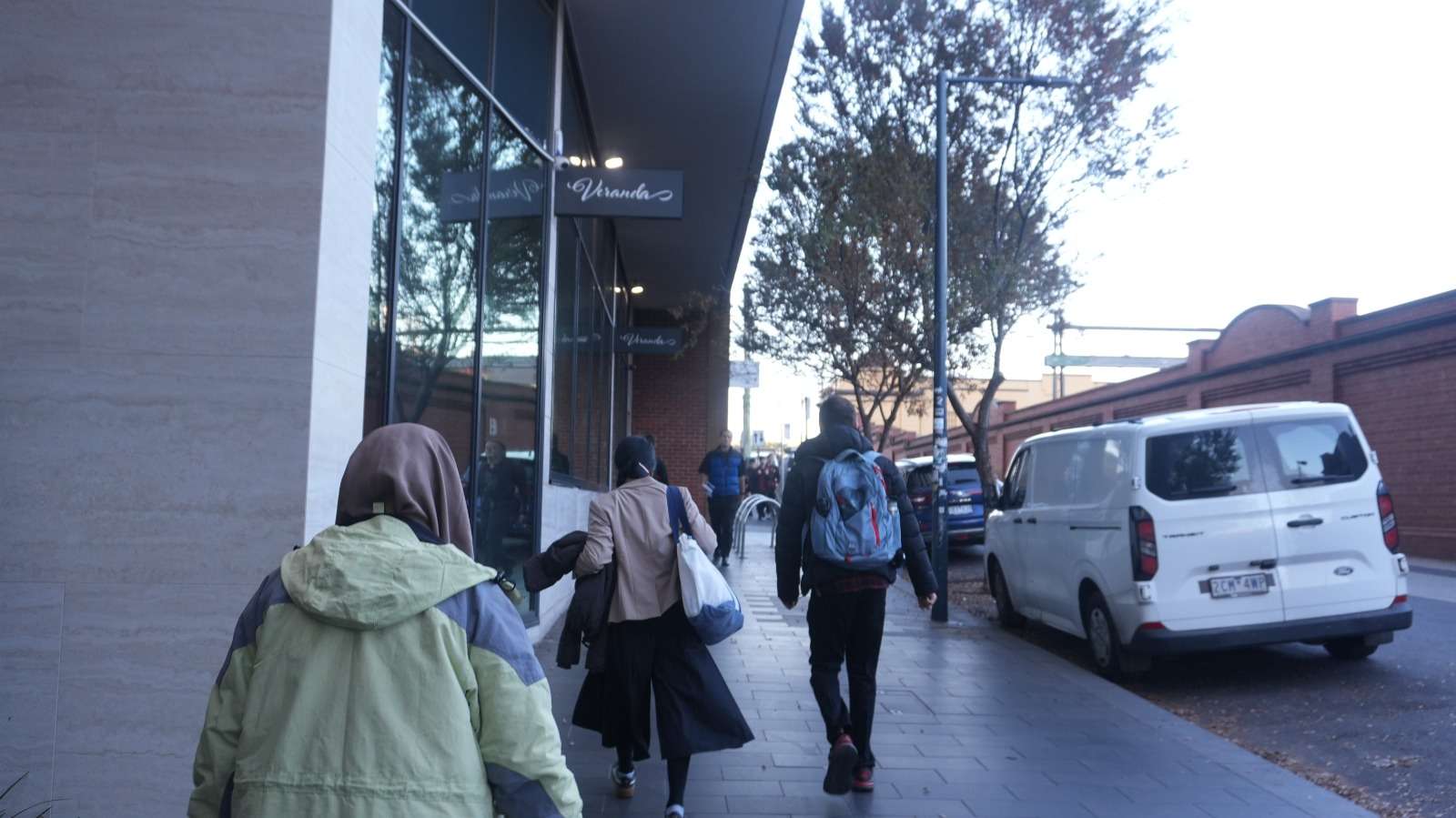
An important transition was also taking place across the rail system during this period. Following the opening of Melbourne’s Metro Tunnel in 2026, many Cranbourne and Pakenham services no longer stopped at several intermediate stations between South Yarra and Caulfield.
Those stations increasingly became served primarily by Frankston line trains. The changes illustrated how infrastructure development continuously reshapes patterns of movement within large cities.
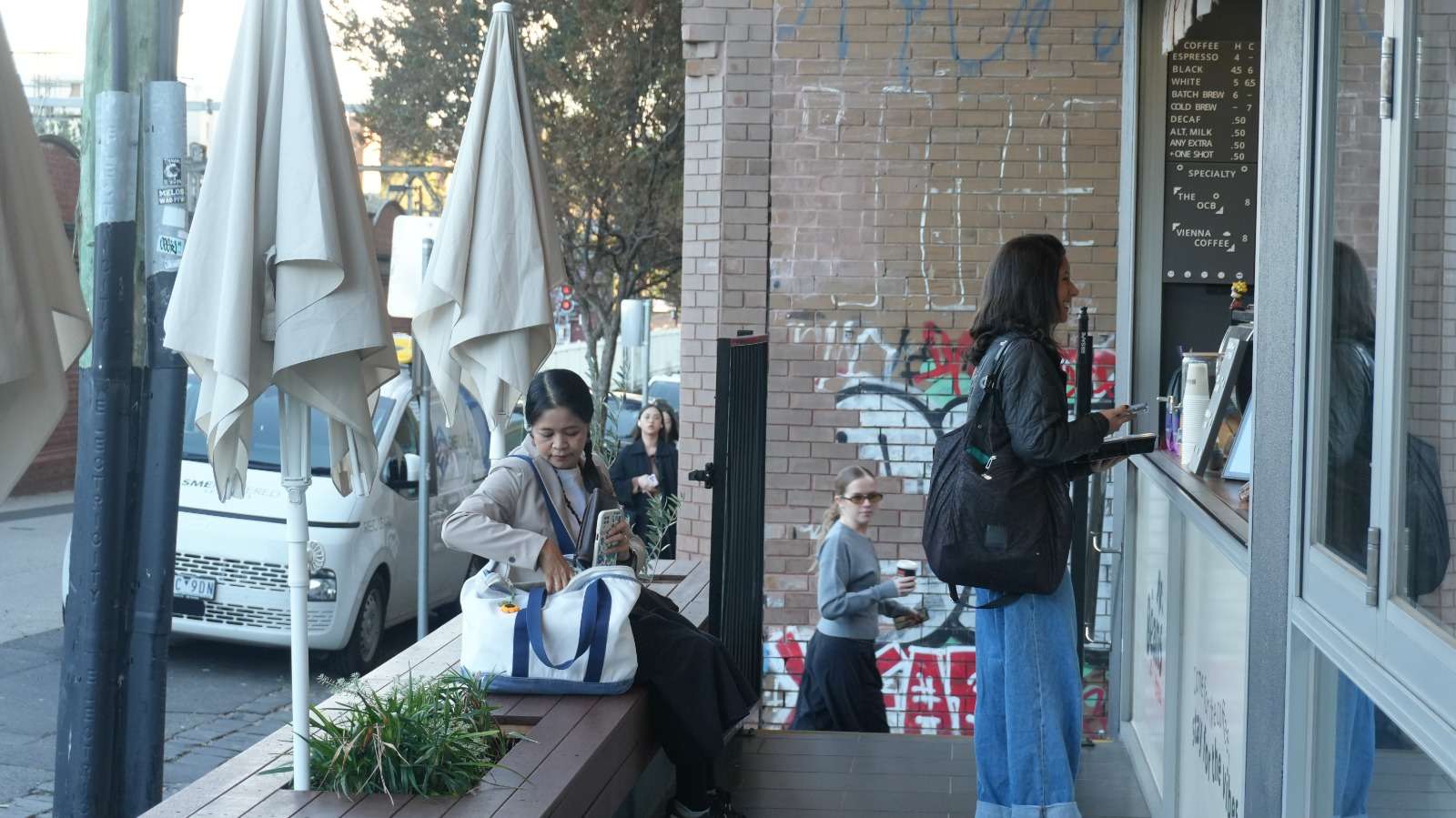
Looking back, these five days in Melbourne were not defined only by meetings or workshops, but by the everyday experience of movement itself.
The short walk from the apartment to the station, the familiar sound of trains arriving at South Yarra, the sequence of stations toward Caulfield, and the presence of students and commuters together created a portrait of a city deeply organized around connectivity.
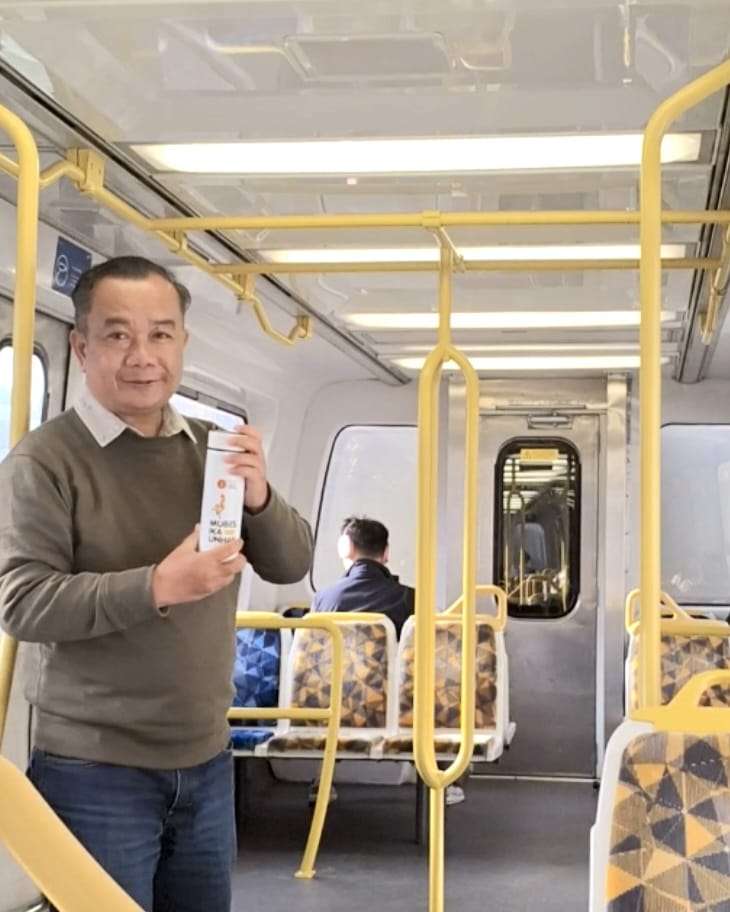
Melbourne revealed that transportation is more than infrastructure. Stations are social spaces. Rail lines are cultural arteries. Apartment hotels become temporary homes for international visitors carrying ideas across borders.
In that sense, the journey between South Yarra and Caulfield was not merely travel from one station to another, but a small encounter with how modern cities sustain education, mobility, and human interaction all at once.