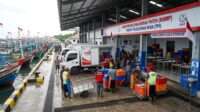

For decades, the journey along the primary artery from Makassar to Parepare was characterized by the rhythmic blur of coastal dust and the fleeting glimpse of roadside stalls through a car window. To most, the Regency of Barru was a functional necessity—a transit point, a place to refuel, or a convenient “rest stop” on the way to somewhere more significant.
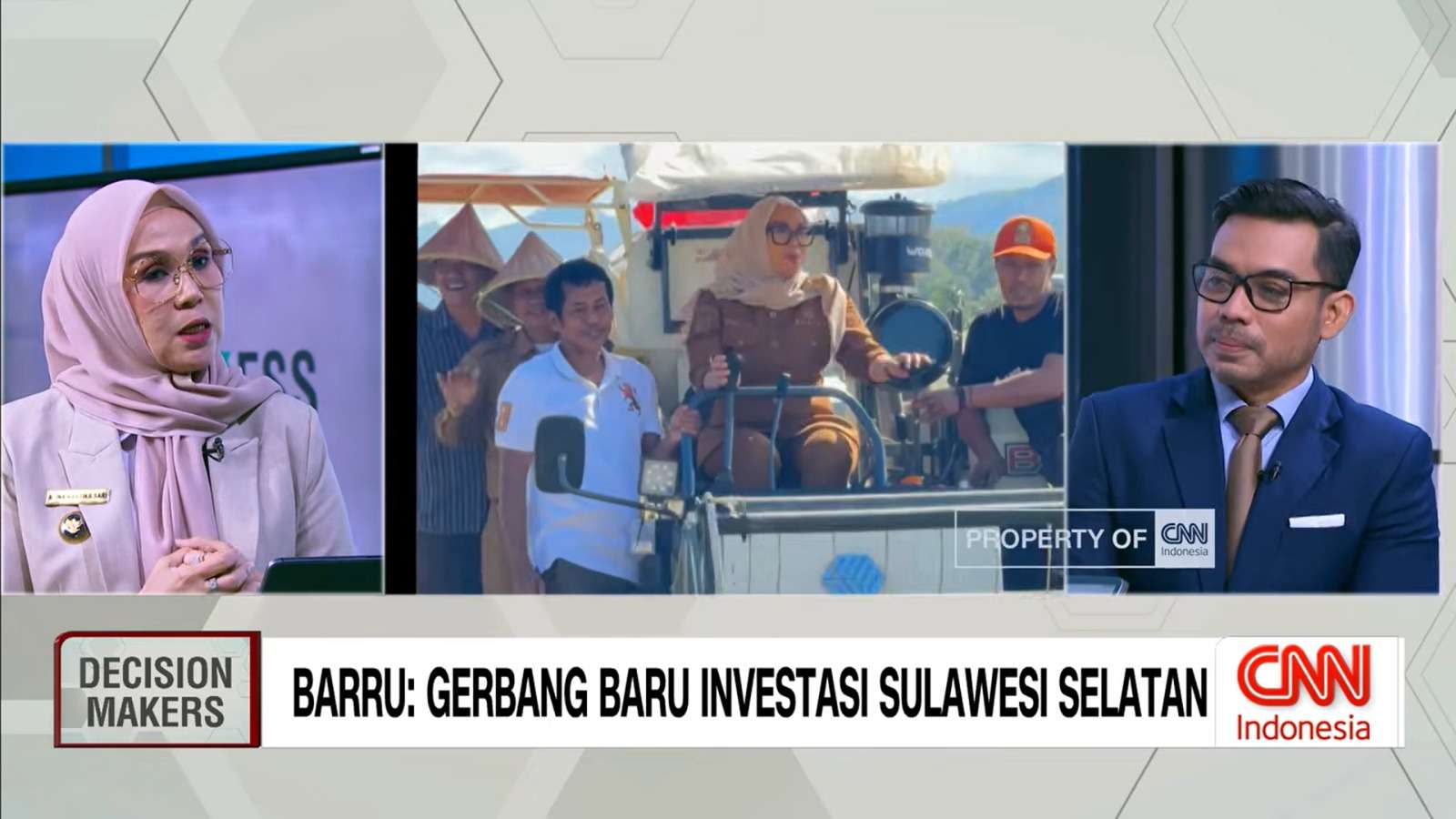
MARITIMEPOSTS.COM – However, that paradigm of “passing through” is being systematically dismantled. Today, Barru is in the midst of what Regent Andi Ina Kartika Sari describes as an “amazing” metamorphosis.
The regency is no longer content with its historical role as a secondary transit line; it is repositioning itself as a magnetic hub for investment and a primary destination for the modern traveler.
The curiosity for any strategic observer is no longer about the road ahead, but about the unique forces drawing people to stop, invest, and stay.
Takeaway 1: The Three-Dimensional Powerhouse
Barru’s most formidable competitive advantage—its “economic moat”—is a geography that allows for a rare level of industrial diversity. Regent Andi Ina Kartika Sari identifies this as a “three-dimensional power,” a multi-ecosystem reality that few regions can claim.
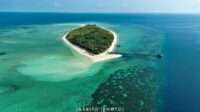
The regency is anchored by a 78-kilometer coastline rich in maritime potential and exotic island clusters. Moving inland, the terrestrial plains support a burgeoning agricultural sector, including high-quality pineapple production that is becoming a regional hallmark.
Finally, the highlands provide a cool-climate sanctuary for specialty crops, most notably the 400 hectares of coffee currently being cultivated in the mountains. This ecological diversity ensures a resilient, diversified export portfolio.
“Barru today is an ‘amazing’ region… We possess three dimensions of strength at once: land, sea, and mountains. These are powerful assets for growth.”
Takeaway 2: The “Red Carpet” Strategy for Investment
In the competitive landscape of regional development, Barru has moved beyond passive openness to an aggressive “Red Carpet” policy. This isn’t merely a marketing slogan; it is a pro-growth hybrid strategy that prioritizes the comfort and security of capital while demanding high social returns.
Licensing has been streamlined to eliminate bureaucratic friction, but the “red carpet” comes with a clear mandate for human resource development.
The analyst’s view of this is clear: Barru is ensuring its residents are not bystanders to progress. By requiring that investments translate into local jobs and strategic positions for the populace, the regency is building a sustainable middle class alongside its new infrastructure.
4. Takeaway 3: Overcoming a Small Budget Through National Synergy
One of the most impressive feats of the current administration is its ability to “punch above its weight” despite a relatively small regional budget (APBD). The solution is a masterclass in fiscal synergy.
By aggressively synchronizing local initiatives with National Strategic Programs, Barru leverages central government funding to execute high-impact projects.
A flagship example is the “school rakyat” (people’s school) project, which utilized a national allocation of hundreds of billions of rupiah.
This “leveraging” model allows the regency to bypass local fiscal limitations, using national synchronization as a primary engine for regional transformation.
Takeaway 4: The Savanna Surprise and the “Bali” Ambition
The vision for Barru to become the “New Bali” of South Sulawesi is a calculated bet on the destination’s aesthetic and educational appeal. The contrast is striking: on one hand, the deep azure of the 78km coastline offers world-class snorkeling and diving; on the other, the high-altitude emerald of the Lapawona savanna provides a panoramic, mountain-top experience that feels worlds away from the coast.
Central to this is the concept of “Hilirisasi” (downstreaming) within the tourism sector through “Eco-Edu” tourism.
Rather than just offering scenery, Barru is integrating its value chains. In the highlands, the plan merges cattle ranching with tourism, allowing visitors to engage with the entire production cycle—from the pasture to the processing of fresh milk and artisanal cheese. This is tourism as an integrated economic experience, not just a sightseeing tour.
Takeaway 5: Economic Growth That Defies the National Average
The macroeconomic indicators suggest that Barru’s strategic pivot is working. While many regions struggle with stagnation, Barru is demonstrating a clear upward trajectory:
- Accelerated Growth: The economy has jumped from 4.93% in 2024 to a robust 5.16%, notably outperforming the national average.
- Welfare Indicators: There is a documented downward trend in both unemployment and poverty levels as the “Red Carpet” policy yields tangible jobs.
- Migration Shifts: The ultimate goal is a demographic reversal. By fostering a high-growth environment, Barru is aiming to keep its youth at home, transforming the regency from a land of emigrants to a land of opportunity.
A New Chapter for the South
Barru’s evolution from a transit point to a destination is a testament to the power of strategic alignment and geographic leverage.
By maximizing its “three dimensions” and mastering the art of national synchronization, the regency has created a blueprint for how smaller districts can overcome fiscal constraints to build a world-class future.
As Barru continues to emerge as a powerhouse of “eco-edu” tourism and high-value agriculture, it prompts a larger reflection: how many other “forgotten” transit towns across Indonesia are currently sitting on untapped potential, waiting for a similar vision to turn their roads into destinations?
___
Author Denun