
Socialization of the Economic Value of “Carbon Credits” within the Blue Economy Framework
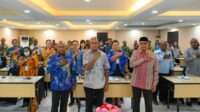
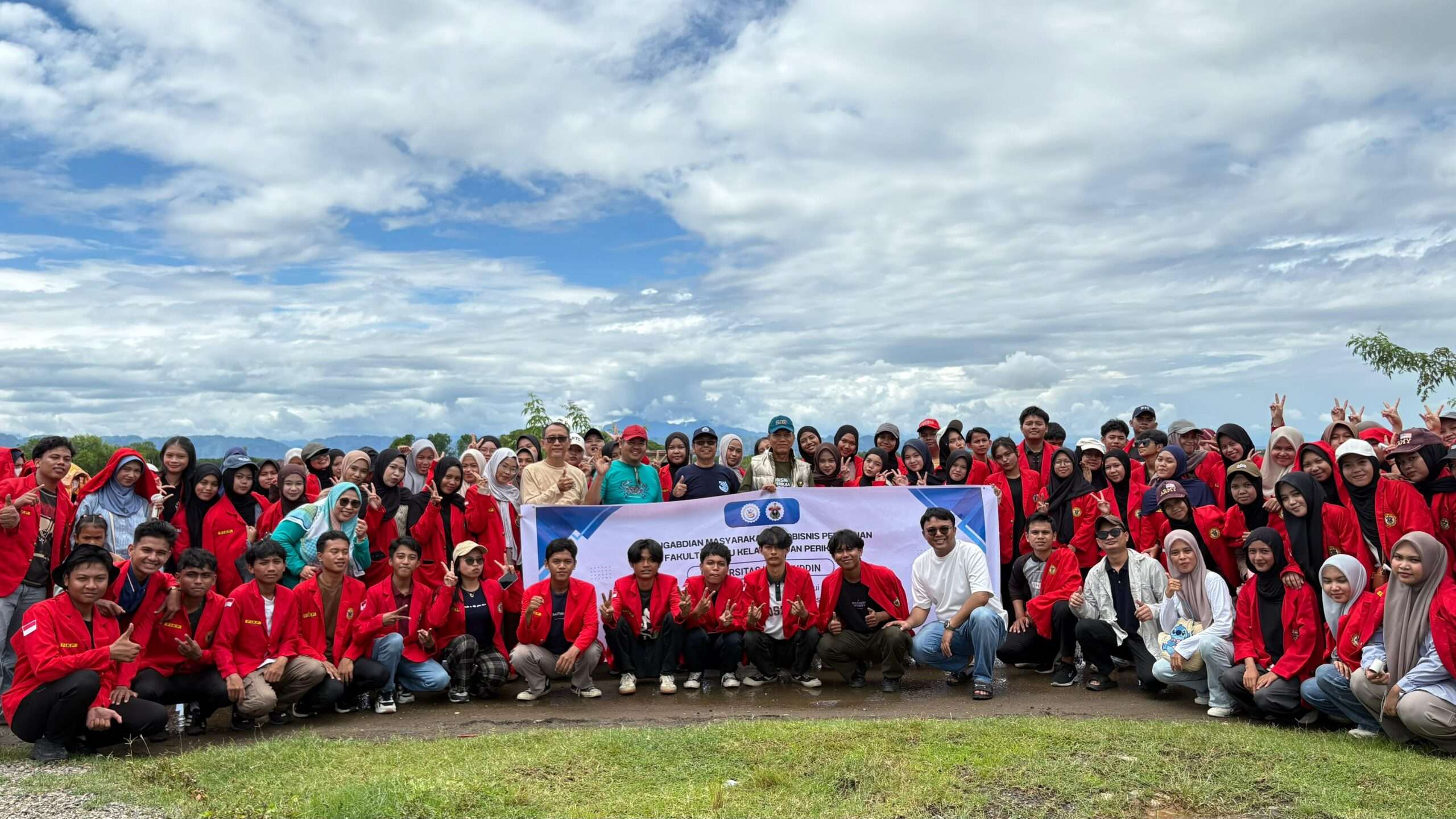
MARITIMEPOSTS.COM – Students of the Fisheries Agribusiness Study Program at Hasanuddin University carried out a community service and integrated field practice activity on May 1–3, 2026, in Ampekale Village, Bontoa District, Maros Regency.
This activity was conducted using an educational and participatory approach, focusing on raising awareness of the economic value of carbon credit trading within the blue economy framework.
In this coastal area, the students not only fulfilled their academic roles but also acted as facilitators, bridging scientific concepts with community realities.
Through interactive discussions, the community was introduced to the potential of coastal ecosystems—such as mangroves, seagrass beds, and marine waters—as carbon sinks that hold economic value within the global carbon trading scheme.
The head of the organizing committee, M. Irham Ilyas, S.Pi., M.Si., stated that the activity was designed to strengthen students’ capacity while also providing tangible contributions to the community.
He emphasized the importance of building an understanding that the sustainability of coastal ecosystems is not only ecological in dimension but also carries economic value that can be utilized sustainably.
The Head of the Fisheries Agribusiness Study Program, Dr. Firman, S.Pi., M.Si., affirmed that integrated field practice is an essential component of experiential learning.
According to him, students are required to integrate theoretical knowledge with real field conditions, particularly in identifying opportunities and challenges in the development of a sustainable fisheries sector.
Meanwhile, the supervising lecturer of the Fisheries Institutional course, Prof. Dr. Andi Adri Arief, S.Pi., M.Si., highlighted that the implementation of carbon credit trading requires institutional readiness at the local level.
Without institutional strengthening, communities risk being unable to optimally access the economic benefits of such schemes.
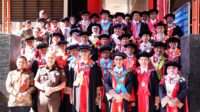
The activity was also supported by several lecturers from the Fisheries Agribusiness Study Program, namely Prof. Mardiana E. Fahry; Prof. Sri Suro Adhawaty; Prof. Aris Baso; Dr. Andi Amri; Dr. Amiluddin; Dr. A. Wahid; Dr. Fahria; Dr. Alfiani; Hasim, M.Si.; Kasri, M.Si.; Ari Changara, M.Si.; and Benny, M.Si.
The presence of these lecturers strengthened the academic substance while ensuring the activity was conducted systematically and contextually.
More than just a field practice, this activity became a space for dialogue between students and the community in building collective awareness of the importance of sustainable coastal resource management.
At this point, integrated field practice functions not only as a learning medium but also as an instrument for community empowerment within the blue economy framework.
Editorial Team