
“The Youth Pledge (1928) was a visionary act of cultural engineering, integrating language, homeland, and identity into a single collective force that remains the foundation of Indonesia’s existence and development trajectory today.”
This article is prepared based on a lecture by Prof Akin Duli, delivered in the Graduate School of Development Studies class at Hasanuddin University on The Cultural Dimension in Development, Wednesday, April 22, 2026.
MARITIMEPOSTS.COM – In national development discourse, we are often trapped in the perception that progress is driven solely by capital accumulation and technological sophistication.
Yet, from a strategic standpoint, culture is the true engine of life beneath the hood of development. Culture is not a static artifact confined to museum displays; it is kinetic energy—a driving force that determines the direction and speed of a nation’s progress.
In Indonesia, Bhinneka Tunggal Ika is not merely a rhetorical ornament. It is the architecture of socio-political pluralism that ensures national stability—an absolute prerequisite for sustainable development.
Without a synchronized cultural engine, development loses its resonance and its soul. This strategic understanding calls us to revisit our historical roots as the starting point for future transformation.
A Strong Foundation: Identity and Social Capital as Fuel
Culture shapes national identity and serves as a compass amid the turbulence of globalization. Within the development framework, it provides vast social capital. Integrating customary systems, traditional law, and local values into public policy is a strategic step toward inclusive, people-centered development.
There are three key elements of social capital that act as primary fuel for development:
- Gotong Royong (Mutual Cooperation): A mechanism of public participation that strategically reduces the state’s financial burden in community projects through active collaboration.
- Tolerance: An instrument of social cohesion that maintains national stability and prevents friction that could hinder investment and growth.
- Musyawarah (Deliberation): An inclusive decision-making process that minimizes public resistance to government agendas and ensures social buy-in.
“The Youth Pledge (1928) was a visionary act of cultural engineering, integrating language, homeland, and identity into a single collective force that remains the foundation of Indonesia’s existence and development trajectory today.”
These values extend beyond social harmony—they form pillars of strength within the modern economic structure.
The Creative Economy Engine: Turning Heritage into Prosperity
The maritime glory of past empires was not mere historical nostalgia. Strategically, their success was rooted in openness, networking ability, and entrepreneurial spirit—traits that now define the digital startup ecosystem and modern creative industries.
Indonesia is undergoing a shift from an extractive economy to one based on knowledge and culture.
Transformation from Traditional Inspiration to Modern Economic Output:
- Refined textile techniques (batik, weaving) → Globally competitive fashion commodities and lifestyle industries
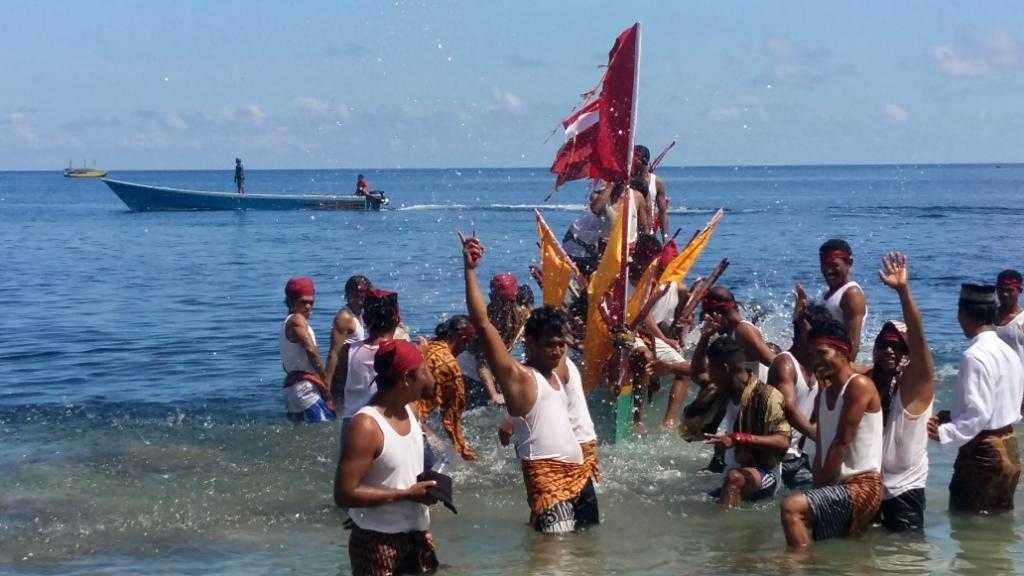
- Traditional ceremonies and rituals → Cultural tourism destinations generating foreign exchange
- Mythological narratives and performing arts → Digital storytelling in film, music, and creative content
- Nusantara cuisine and spices → Gastro-diplomacy and global culinary industries
The creative economy has become a new engine for job creation and GDP growth. However, this growth requires careful navigation to avoid damaging its supporting ecosystems.
Ecological Navigation: Learning from Local Wisdom
Unchecked economic growth can “overheat” and lead to environmental crises. Local wisdom provides ethical navigation. The Subak system in Bali, for instance, is more than irrigation—it embodies a philosophy of harmony between humans, nature, and the divine.
Failure to integrate cultural perspectives into development can result in:
- Social Conflict: Mass resistance due to misalignment between technocratic projects and local values
- Ecological Damage: Environmental degradation caused by ignoring traditional protection systems, such as customary forest laws
Local wisdom offers time-tested solutions that remain highly relevant for future sustainability challenges.
Social Transformation: Education Rooted in Culture
In shaping national character, education must function as an instrument of cultural revitalization. Cultural capital needs to be integrated into pedagogy so that younger generations become not just global consumers, but rooted innovators with a strong sense of identity.
An innovative curriculum should emphasize:
- Respect for elders as the foundation of ethical social hierarchy
- Cooperation in solving complex problems through cross-disciplinary collaboration
- Ethical awareness to ensure technological innovation remains aligned with national values
This internal strengthening of character is a crucial asset for Indonesia’s global positioning.
Cultural Diplomacy: Bringing Indonesia to the World Stage
Cultural richness is a strategic asset—a form of diplomatic currency in global relations. Indonesia leverages “soft power” to build a positive image beyond statistics.
Cultural elements recognized by UNESCO as world heritage and used as diplomatic instruments include:
- Wayang
- Batik
- Angklung
Such international recognition enhances Indonesia’s bargaining position and opens opportunities for strategic cooperation in technology, education, and investment through mutual trust.
Synergy Toward a Civilized Future
True development is not merely about achieving growth figures—it is about dignity, justice, and the enduring character of a civilized nation. Culture is the spirit that determines the direction of progress.
To ensure the cultural engine runs optimally, a systemic commitment is required:
Strategic Checklist for Culture-Based Development:
- Government: Develop regulations that protect and integrate customary law into national development policies
- Society: Revitalize mutual cooperation and tolerance as social capital in communal life
- Youth: Accelerate identity-based innovation and actively engage in cultural diplomacy in global digital spaces
The synergy between policy, social practice, and youth innovation will position culture as the main pillar driving Indonesia toward independence, competitiveness, and harmony. Culture is the soul that will define our dignity in the future.
___
Editor by Denun