
Lack of public awareness regarding the ecological status of medaka fish, combined with threats from pollution and environmentally harmful fishing practices, has the potential to disrupt the sustainability of this species in the wild.
MARITIMEPOSTS.COM – The landscape of Sulawesi Island, situated at the heart of the Indonesian archipelago, continues to reveal a wealth of biodiversity that remains only partially explored.
The uniqueness of its flora and fauna has become a major attraction for academics and researchers to pursue ongoing scientific exploration.
One area currently drawing attention is Rampi District, North Luwu Regency, South Sulawesi Province. Located in a mountainous region dominated by relatively well-preserved forests, Rampi features a cool climate that supports the survival of various endemic species.
These ecological conditions make the area a potential habitat for a wide range of organisms, including rare freshwater fish.
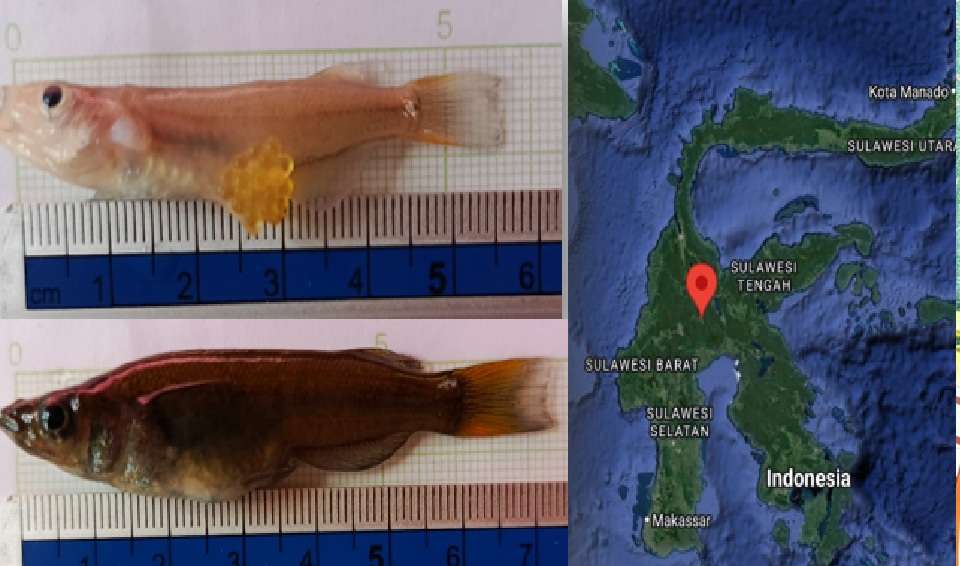
Recent research conducted by a team of academics from Andi Djemma University in Palopo has confirmed the presence of medaka fish (Oryzias sp.) in the waters of the Baliase River in Rampi District.
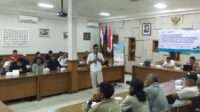
The research team, consisting of Prof. Dr. Ir. Irman Halid, S.T., M.Si, Dr. Jurniati, S.Pi., M.Si, and Zulqifar Jusman, carried out a population study as an initial step toward more targeted conservation efforts.
From a scientific perspective, fish of the Oryzias genus are known for their high level of endemism.
Previous data recorded 32 Oryzias species across Asia, with 14 of them endemic to Sulawesi. Some species are even found exclusively in specific lakes on the island.
The findings from the Baliase River further strengthen Sulawesi’s position as one of the global centers of medaka biodiversity.
The study confirms that medaka fish, locally known as “doduo salaka,” do inhabit and reproduce along the banks of the Baliase River, where habitat conditions are considered suitable.
This discovery not only enriches biodiversity data but also opens opportunities for the domestication of the species in controlled environments.
Nevertheless, researchers emphasize the urgent need for serious conservation measures.
Limited public awareness regarding the ecological status of medaka fish, coupled with pollution threats and unsustainable fishing practices, poses a risk to the species’ long-term survival in its natural habitat.
In addition, preventing the introduction of non-native fish species into the Baliase River ecosystem is a critical concern.
The presence of invasive species could trigger competition that threatens the survival of medaka as a native species.
Through this research, it is hoped that public awareness and support from various stakeholders, including local government, will increase in efforts to preserve the natural habitat of medaka fish.
Rampi District is also expected to serve as a model for research-based conservation of endemic species in Indonesia.