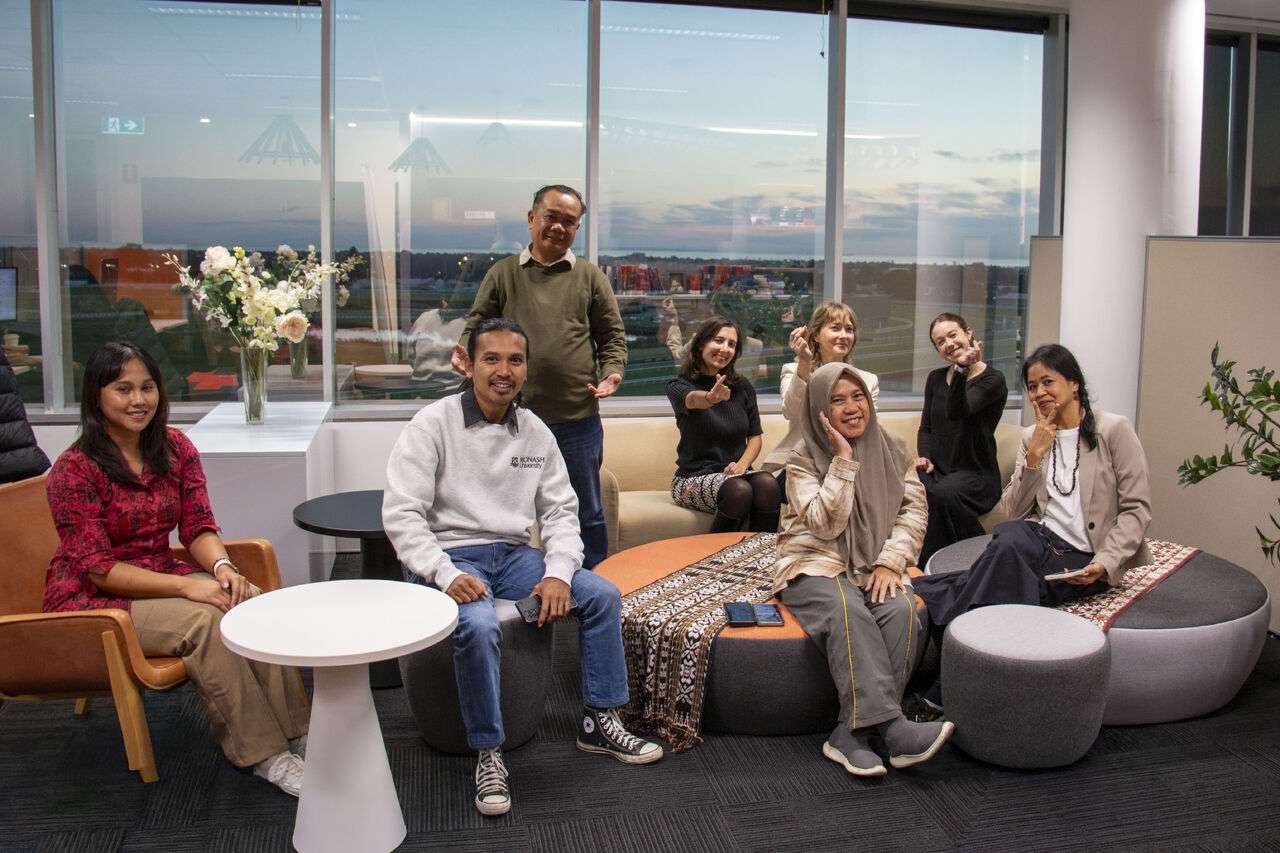
MARITIMEPOSTS.COM – Efforts to strengthen climate journalism and cross-border collaboration took center stage in Melbourne last week as journalists, researchers, climate scientists, and communication experts from Indonesia and Australia gathered for a series of knowledge-sharing workshops focused on improving climate reporting in the region.
The two-day workshop program was hosted by the Hub as part of the project “Supporting Climate Reporting in Indonesian Newsrooms,” conducted in collaboration with the Australia-Indonesia Centre and funded by the Australia Indonesia Institute.
The initiative aims to build stronger connections between journalists and climate experts while improving the quality, accuracy, and impact of climate reporting in Indonesia.
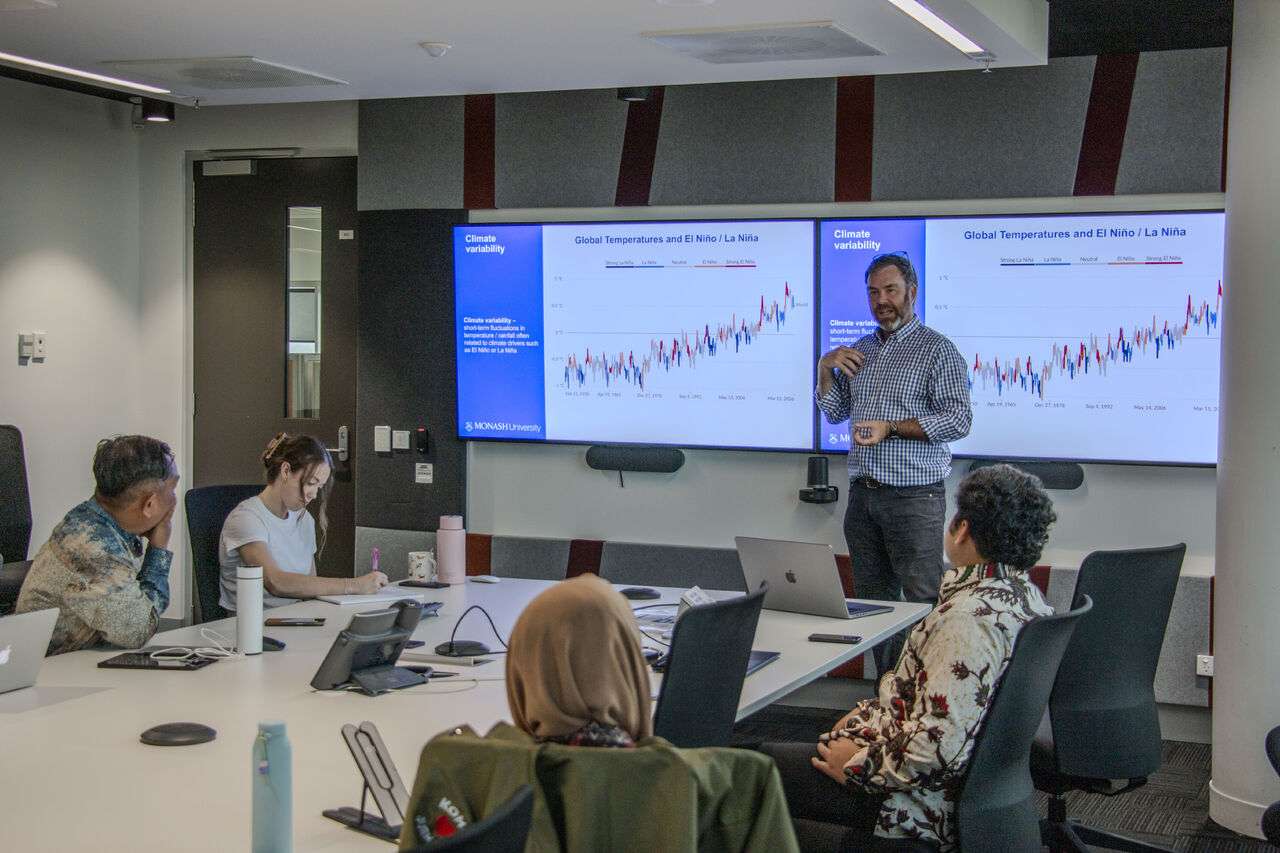
Dr Andrew B. Watkins from the Monash University, shares about climate issues to the participants. The program involved contributions from a wide range of researchers, journalists, and communication experts, including representatives from the Australian Department of Foreign Affairs and Trade, the Constructive Institute, and the Australia-Indonesia Centre, alongside prominent academics and media practitioners from both countries.
Bringing together participants from media organizations, universities, and research institutions, the workshops became an important platform for exchanging perspectives on one of the most urgent global challenges of our time: climate change and how it is communicated to the public.
Throughout the sessions, participants explored the current state of the climate crisis and scientific projections for the future.
Discussions highlighted the growing importance of ensuring that climate journalism remains scientifically grounded while also being accessible and relevant to local communities.
One of the key themes emerging from the workshops was the challenge of communicating climate issues effectively in an era increasingly shaped by misinformation and disinformation.
Participants discussed how journalists can navigate complex scientific information, verify claims, and build public trust amid rapidly evolving environmental narratives online.
Participants discussed how journalists can navigate complex scientific information, verify claims, and build public trust amid rapidly evolving environmental narratives online.
Australian journalists and media practitioners also shared their experiences in reporting on climate and energy issues.
These discussions provided Indonesian participants with insights into newsroom strategies, storytelling methods, and editorial approaches used in Australia to cover climate-related developments in ways that engage audiences without overwhelming them.
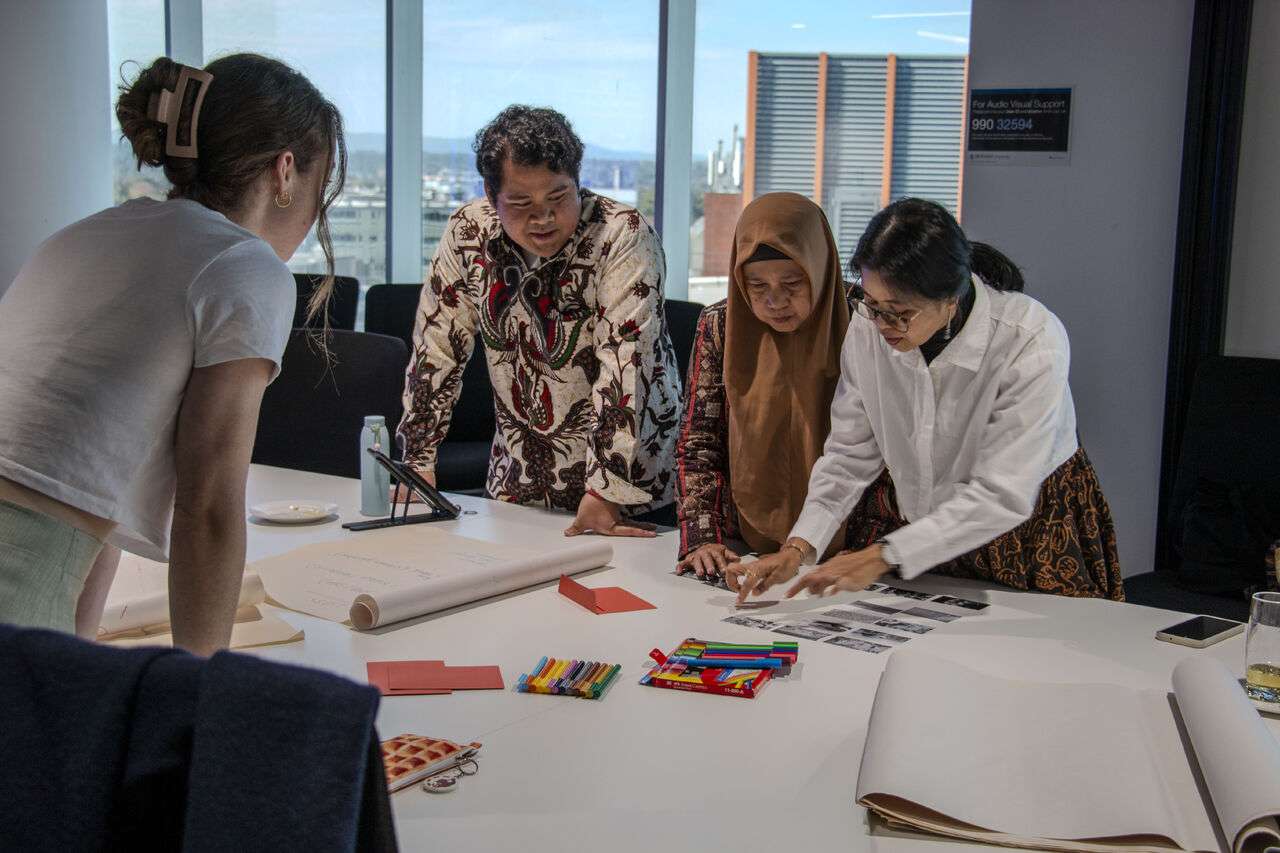
Beyond reporting techniques, the workshops also examined the systems and collaborative processes necessary for effective international climate journalism.
Participants discussed how researchers, scientists, and journalists can work more closely together to ensure accurate reporting and timely dissemination of critical environmental information.
A particularly important component of the program was the presentation of local Indonesian climate research case studies.
These sessions grounded the broader discussions in real-world community experiences, demonstrating how climate change is already affecting livelihoods, coastal communities, agriculture, fisheries, and urban resilience across Indonesia.
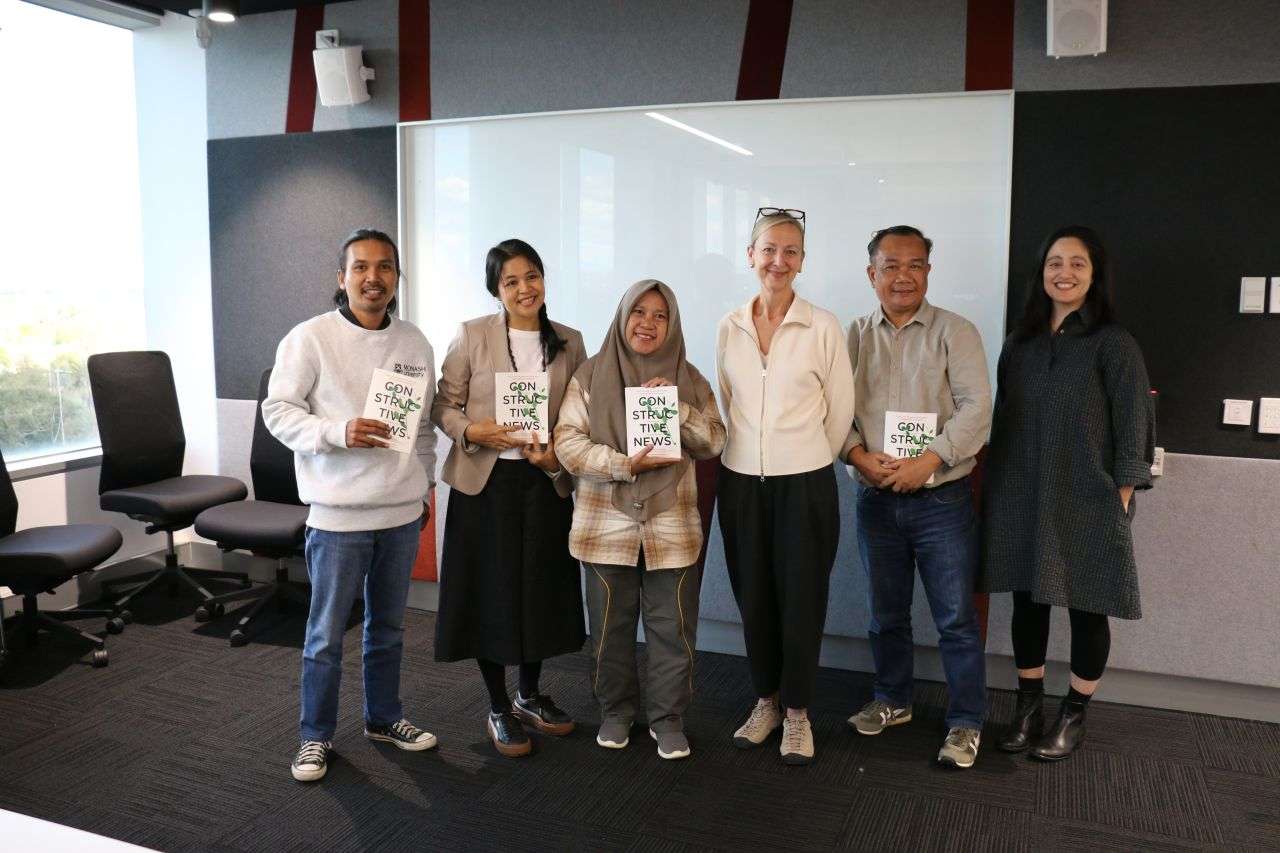
The workshops also introduced constructive journalism approaches that emphasize solutions-oriented reporting.
Rather than focusing solely on crisis and catastrophe, participants explored how journalism can empower audiences by highlighting responses, innovations, and pathways toward climate resilience.
By bringing together voices from Indonesia and Australia, the workshops demonstrated how regional collaboration can strengthen public understanding of climate change and support more impactful environmental reporting.
The conversations reflected a growing recognition that climate journalism today requires more than simply reporting scientific findings.
It also demands cultural understanding, public engagement, collaboration across borders, and storytelling that connects global climate issues with local realities.
Following the Melbourne workshops, the research team is scheduled to travel to Makassar to present findings from the broader research study connected to the project.
The outcomes are expected to contribute to the development of practical tools and approaches that support timely, scientifically informed journalism capable of meeting the information needs of local communities.
The initiative also underscored the importance of partnerships between academic institutions, media organizations, governments, and civil society in responding to climate challenges.
By bringing together voices from Indonesia and Australia, the workshops demonstrated how regional collaboration can strengthen public understanding of climate change and support more impactful environmental reporting.
The program involved contributions from a wide range of researchers, journalists, and communication experts, including representatives from the Australian Department of Foreign Affairs and Trade, the Constructive Institute, and the Australia-Indonesia Centre, alongside prominent academics and media practitioners from both countries.
As climate impacts continue to intensify across the Asia-Pacific region, initiatives like this highlight the increasingly vital role of journalism in shaping public awareness, encouraging informed discussion, and helping communities navigate an uncertain environmental future.
___ Source: Monash Climate Communication Hub || Impact-driven social research to support climate solutions