
Researchers shared insights into how innovation, technology, and better environmental management can help strengthen seaweed production while protecting marine ecosystems from climate-related pressures.
MARITIMEPOSTS.COM – The growing urgency of climate change is reshaping not only scientific research but also the way journalism informs and engages communities.
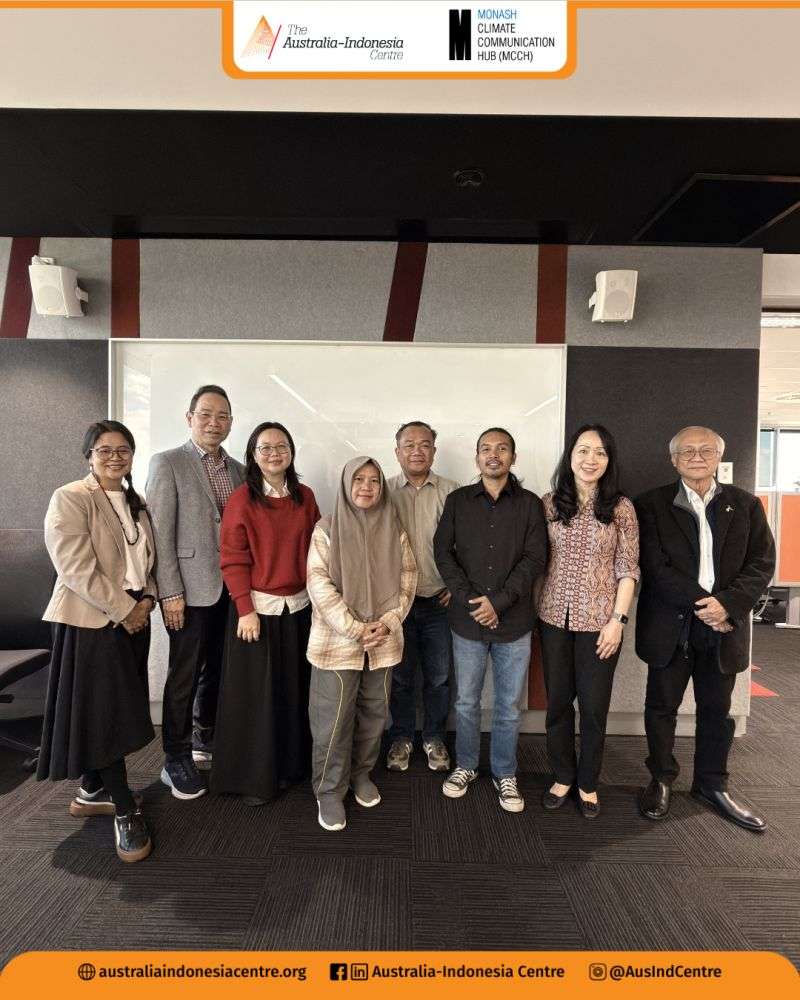
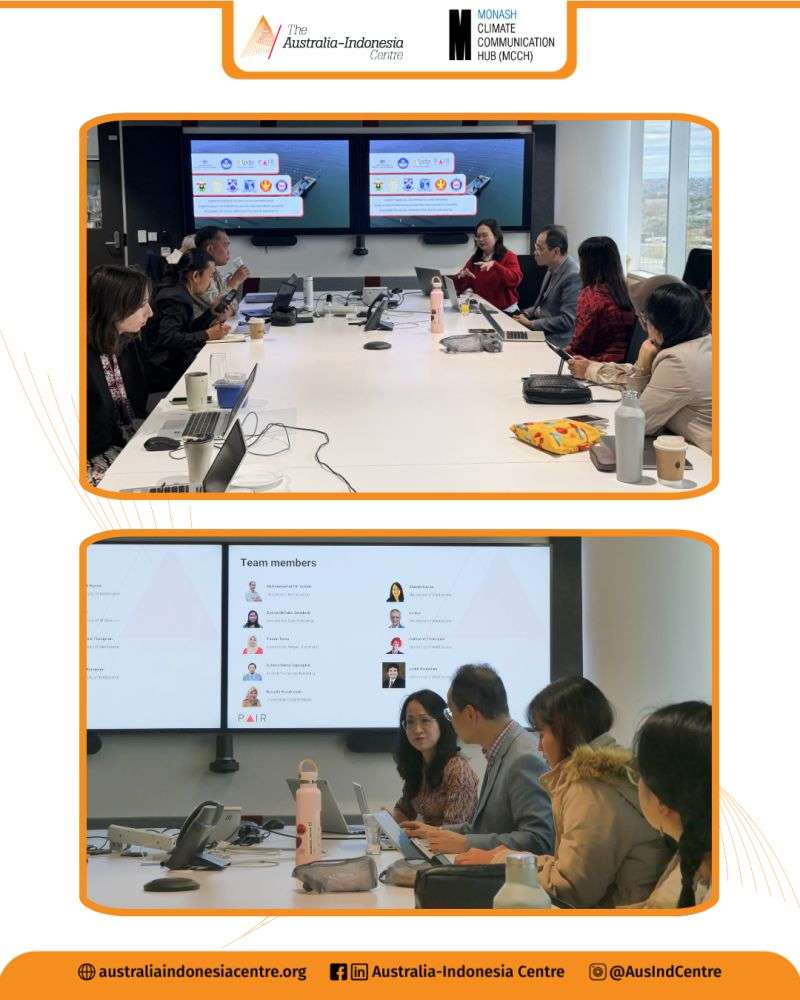
In Melbourne, a recent meeting between researchers and journalists from Sulawesi highlighted how collaboration across professions can strengthen public understanding of environmental challenges and solutions.
Bringing together academics, climate researchers, and journalists, the discussion became a unique forum where different professions shared a common regional focus and explored similar questions about the future of climate resilience in Indonesia, particularly in Sulawesi.
The gathering involved four researchers from the PAIR Sulawesi program who met with journalists from Sulawesi currently participating in a climate and energy reporting initiative in Australia.
What made the conversations especially meaningful was the shared connection to Sulawesi itself—the region where all four researchers are currently conducting their projects and where the participating journalists live and report.
Although coming from different professional backgrounds, both researchers and journalists recognized the importance of working together to bridge the gap between scientific findings and public understanding.
Climate research, participants agreed, becomes more impactful when translated into stories that communities can relate to and act upon.
Among the scholars participating in the discussions were Professor Lu Aye and Professor Sherah Kurnia from the University of Melbourne, alongside Professor Daniel Prajogo and Professor Juliana Sutanto from Monash University. Their conversations with journalists covered a range of pressing issues affecting Sulawesi and other parts of Indonesia.
One major topic was the transition toward net-zero emissions and the broader implications of energy transformation for local economies and communities. Participants discussed the challenges of balancing economic growth with environmental sustainability, particularly in regions that depend heavily on natural resources.
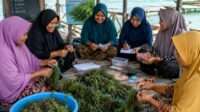
Another key focus was sustainable seaweed farming, an increasingly important sector for many coastal communities in Sulawesi.
Researchers shared insights into how innovation, technology, and better environmental management can help strengthen seaweed production while protecting marine ecosystems from climate-related pressures.
The discussions also explored the relationship between climate change and public health in coastal communities. Rising temperatures, shifting weather patterns, and environmental degradation are increasingly affecting livelihoods, food security, and community wellbeing in vulnerable coastal areas across Indonesia.
For the participating journalists, the workshop offered valuable opportunities to deepen their understanding of scientific research while building stronger networks with academics and climate experts.
Rather than seeing research and journalism as separate worlds, the sessions emphasized how both fields can complement one another in addressing complex climate realities.
The researchers involved are part of the PAIR Sulawesi program, a collaborative initiative co-funded by the Australian Government through the Department of Foreign Affairs and Trade (DFAT) and the Indonesian Government through the Ministry of Higher Education, Science, and Technology (Kemdiktisaintek) and the Indonesia Endowment Fund for Education (LPDP).
Meanwhile, the workshop itself formed part of a broader climate and energy reporting program organized by the Australia-Indonesia Centre (AIC) and the Monash Climate Communication Hub (MCCH). The initiative is supported by the Australia-Indonesia Institute through the Australian Department of Foreign Affairs and Trade.
Beyond formal presentations, the Melbourne discussions reflected a larger effort to strengthen climate communication across borders. Scientists, journalists, and communicators increasingly recognize that climate change cannot be addressed through research alone.
Public awareness, informed storytelling, and community engagement are equally essential in helping societies understand risks and respond effectively.
The meeting also demonstrated the growing importance of regional perspectives in climate discussions.
By centering Sulawesi—a region facing significant environmental and development challenges—the conversations remained grounded in local realities rather than abstract global narratives.
As climate impacts continue to intensify across Southeast Asia, collaborations like these offer an important model for connecting science, journalism, and local communities.
Through stronger partnerships between researchers and media professionals, climate reporting can become not only more accurate and evidence-based, but also more meaningful and relevant to the people most affected by environmental change.
___
Source: Australia-Indonesia Center
Editor by K. Azis